Understanding British Pond Plants
Creating a serene pond environment is not just about the water's surface; it's equally about the diversity and health of the plants that thrive within and around it. British Pond Plants play a vital role in maintaining aquatic ecosystems, providing food, habitat, and shelter for wildlife while enhancing the aesthetic appeal of garden ponds. Whether you are a seasoned gardener or a novice looking to beautify your outdoor space, understanding these plants is essential for fostering a thriving pond ecosystem.
What Are British Pond Plants?
British pond plants refer to a variety of aquatic and semi-aquatic plants native to the UK. These plants are integral to the pond's health, contributing to both aesthetic value and functional aspects within the aquatic ecosystem. They can be broadly categorized into several types, including submerged, floating, and marginal plants. Each type serves unique functions, such as oxygenation, filtration, and providing habitat for various species of wildlife.
Importance of Pond Plants in Ecosystems
Pond plants are indispensable to the overall health of aquatic ecosystems. They aid in oxygen production through photosynthesis, which is vital for fish and other aquatic life. Additionally, these plants stabilize the soil, preventing erosion and reducing sediment buildup. Moreover, they offer shelter for amphibians, insects, and fish, creating a balanced environment that supports biodiversity. The presence of a variety of plants can also help in controlling algae growth by competing for nutrients.
Classification of Common British Pond Plants
British pond plants can be classified into three main groups:
- Submerged Plants: These plants grow fully underwater and play a crucial role in oxygenating the water. Examples include Hornwort (Ceratophyllum demersum) and Water Milfoil (Myriophyllum spp.).
- Floating Plants: Able to float on the water’s surface, these plants provide shade and reduce algae growth. Common examples include Water Lettuce (Pistia stratiotes) and Duckweed (Lemna minor).
- Marginal Plants: These plants grow at the water’s edge and help to stabilize the pond banks. Notable examples are Yellow Flag Iris (Iris pseudacorus) and Marsh Marigold (Caltha palustris).
Choosing the Right Plants for Your Pond
Selecting appropriate plants for your pond is foundational to creating a balanced ecosystem. Factors such as pond size, depth, water quality, and the sunlight conditions should guide your choices. Furthermore, native species are often more resilient and better suited for local wildlife, allowing for a more integrated natural habitat.
Factors to Consider When Selecting Pond Plants
- Pond Size: Larger ponds can support bigger plants or a greater diversity of species, while smaller ponds may require more compact options.
- Water Depth: Different plants thrive at varying depths; ensure you understand the requirements of each species before planting.
- Climate: Local climate conditions can influence plant growth; choose species that are naturally found in your region for the best results.
- Sunlight Exposure: Consider how much sunlight your pond receives throughout the day. Some plants prefer full sun, while others flourish in partial shade.
Top British Pond Plants for Wildlife Attraction
To attract wildlife to your pond, focus on plants that support local ecosystems. Examples include:
- Water Mint (Mentha aquatica): This aromatic plant attracts insects and birds, providing essential nectar.
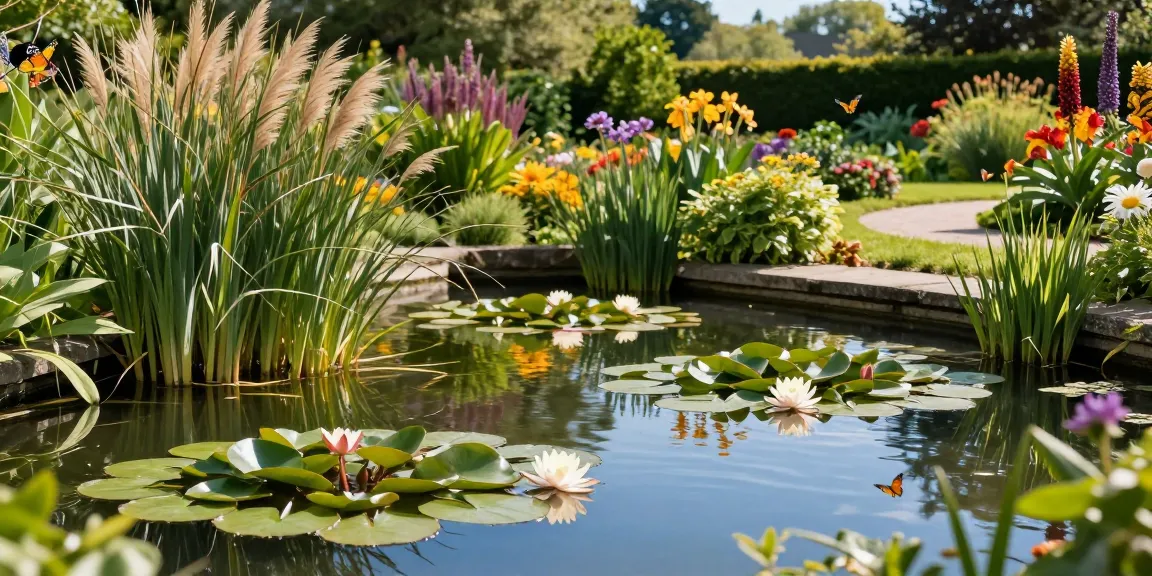
- Cattails (Typha latifolia): These tall plants serve as nesting sites for various birds and insects.
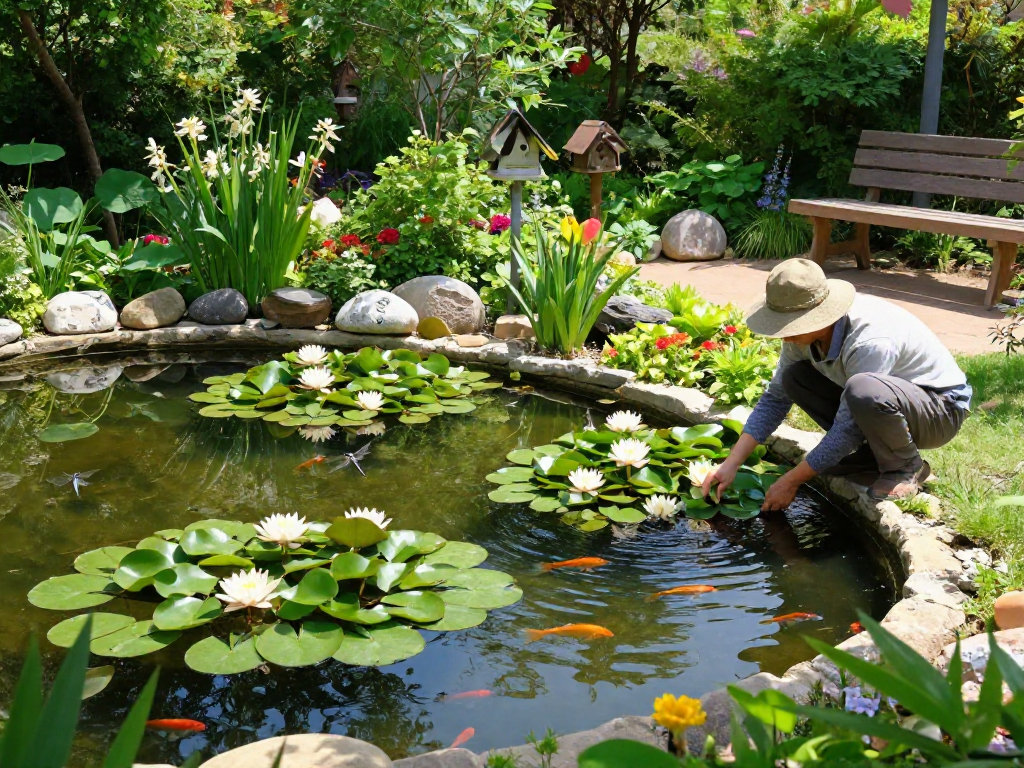
- Lillypads (Nymphaea spp.): Besides adding beauty, their large leaves provide shade and protection for aquatic life.
Best Practices for Plant Placement in Ponds
Strategically placing your aquatic plants can enhance both aesthetics and ecological function:
- Group Planting: Group similar species together to create visually pleasing clusters and promote natural growth.
- Diversity: Plant a mix of submerged, floating, and marginal species to establish a balanced ecosystem.
- Consider Growth Habits: Ensure taller plants do not overshadow smaller ones, limiting their access to sunlight.
Maintenance Tips for Healthy Pond Plants
Proper maintenance is crucial for ensuring the health and longevity of your pond plants. Regular care can prevent the onset of disease and keep your pond looking vibrant throughout the seasons.
Essential Care Techniques for British Pond Plants
- Water Quality: Regularly test the water for pH, ammonia, and other factors to provide a healthy environment for plants and aquatic life.
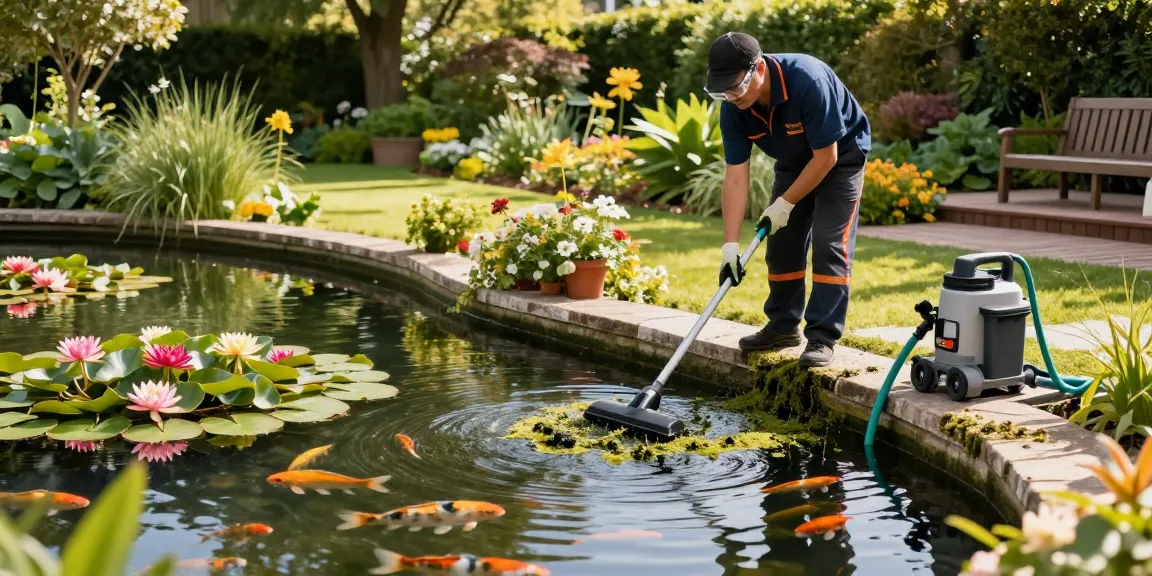
- Trimming and Pruning: Remove dead or overgrown plant material to promote healthy growth and prevent decay.
- Fertilization: Use organic fertilizers sparingly, as excessive nutrients can lead to algae blooms.
Common Pests and Diseases Affecting Pond Plants
Pond plants can experience various issues, including pests like aphids or diseases such as root rot. Regular inspections can help you identify and address issues early.
- Integrated Pest Management (IPM): Utilize natural predators and organic solutions to control pest populations.
- Proper Water Management: Ensure adequate drainage and prevent stagnant water to combat root rot and fungal infections.
Seasonal Maintenance Checklist for Your Pond
Maintaining a healthy pond involves different care routines throughout the seasons:
- Spring: Inspect plants after winter, trimming any dead growth and adding new plants as needed.
- Summer: Monitor water levels and quality, performing regular maintenance to control algae growth.
- Autumn: Prepare for winter by removing decaying foliage and considering plant relocation if needed.
- Winter: Ensure any hardy plants can survive the cold, with necessary protection against severe frost.
Creating a Balanced Ecosystem with Pond Plants
Establishing a balanced ecosystem is vital for the health of your pond and its inhabitants. By thoughtfully integrating various plant species, you can foster an environment rich in biodiversity.
How to Encourage Biodiversity in Your Pond
Encouraging biodiversity involves fostering conditions suitable for a wide variety of wildlife:
- Varied Habitat: Provide different types of shelter, such as rocks, logs, and plants, to support diverse species.
- Water Quality Management: Maintain clean, well-oxygenated water to support both plant and animal life.
The Role of Native Plants in Supporting Local Wildlife
Native plants are vital for supporting local wildlife. Their adaptation to the local climate means they require less maintenance and provide food and shelter to native animal species. Incorporating these plants into your pond design can significantly enhance its ecological value.
Designing Your Pond for Environmental Sustainability
To promote sustainability, consider the following:
- Natural Filtration: Utilize plants that naturally filter water to reduce the need for chemical treatments.
- Rainwater Harvesting: Design your pond to collect and utilize rainwater, conserving water and reducing runoff.
Future Trends in Pond Gardening and Plant Choices
As environmental concerns continue to evolve, so do the practices for pond gardening. Staying informed about emerging trends can help you adapt your pond to future challenges and opportunities.
Innovative Practices in Sustainable Pond Management
Adopting innovative practices can enhance the sustainability of your pond:
- Permaculture Techniques: Integrate natural systems and sustainable practices to create self-sustaining ecosystems.
- Smart Technology: Use technology to monitor water quality and manage plant health effectively.
Emerging Trends in Native Plant Use for 2026
As we move towards 2026, the use of native plants is expected to increase significantly:
- Restoration Projects: More initiatives will focus on restoring local ecosystems by using native pond plants.
- Community Engagement: Increased awareness and involvement in planting native species to support local biodiversity.
How Climate Change Affects Pond Plant Choices
The impact of climate change is reshaping planting strategies, as gardeners may need to consider:
- Temperature Shifts: Adapt plant choices to account for changes in temperature and seasonal patterns.
- Water Management: A focus on drought-resistant species and efficient water use will become essential as weather patterns become more unpredictable.
What are the best British pond plants for small gardens?
For small gardens, consider compact species like Water Mint and Yellow Flag Iris, which add beauty without overwhelming limited space.
How can I attract wildlife to my pond using plants?
Utilizing a mixture of native plants that offer nectar, shelter, and habitat will effectively attract a diverse range of wildlife.
What maintenance is required for pond plants year-round?
Year-round maintenance includes monitoring water quality, regular trimming, and seasonal checks to ensure plant health and prevent disease.
Can I grow British pond plants in a water feature?
Yes, many British pond plants can thrive in water features, providing the right conditions such as adequate light and water depth are met.
How do I manage algae and pests in my pond?
Balancing plant life and using natural pest control methods can help manage algae and pests effectively, promoting a healthy pond environment.