Understanding the Basics of Gardening
Gardening is more than a pastime; it’s a fulfilling journey that fosters a connection with nature. Understanding the essential elements of gardening is a fundamental step toward cultivating a thriving garden. If you’re exploring different aspects or searching for tips on how to achieve a bountiful garden, you’re in the right place. Here, we’ll delve deep into key areas critical to creating a successful garden, including soil quality, necessary tools, and plant selection. For comprehensive insights into gardening, explore our resources on Gardening.
The Importance of Soil in Gardening
Soil is the very foundation of gardening. Whether you are planting flowers or vegetables, the quality of your soil can significantly impact plant health and growth. Healthy soil is alive with organisms that play a crucial role in decomposing organic matter, which releases nutrients that plants absorb. Understanding soil composition, structure, and pH levels can lead to successful gardening practices.
When preparing your soil, consider the following:
- Soil Type: Sandy soils drain quickly but may require frequent watering. Clay soils retain moisture but can compact easily and suffocate roots.
- Amendments: Adding organic matter like compost can improve soil structure, drainage, and nutrient availability.
- pH Level: Most plants prefer a pH between 6.0 and 7.5. Conduct a soil test to determine pH levels.
Essential Tools for Effective Gardening
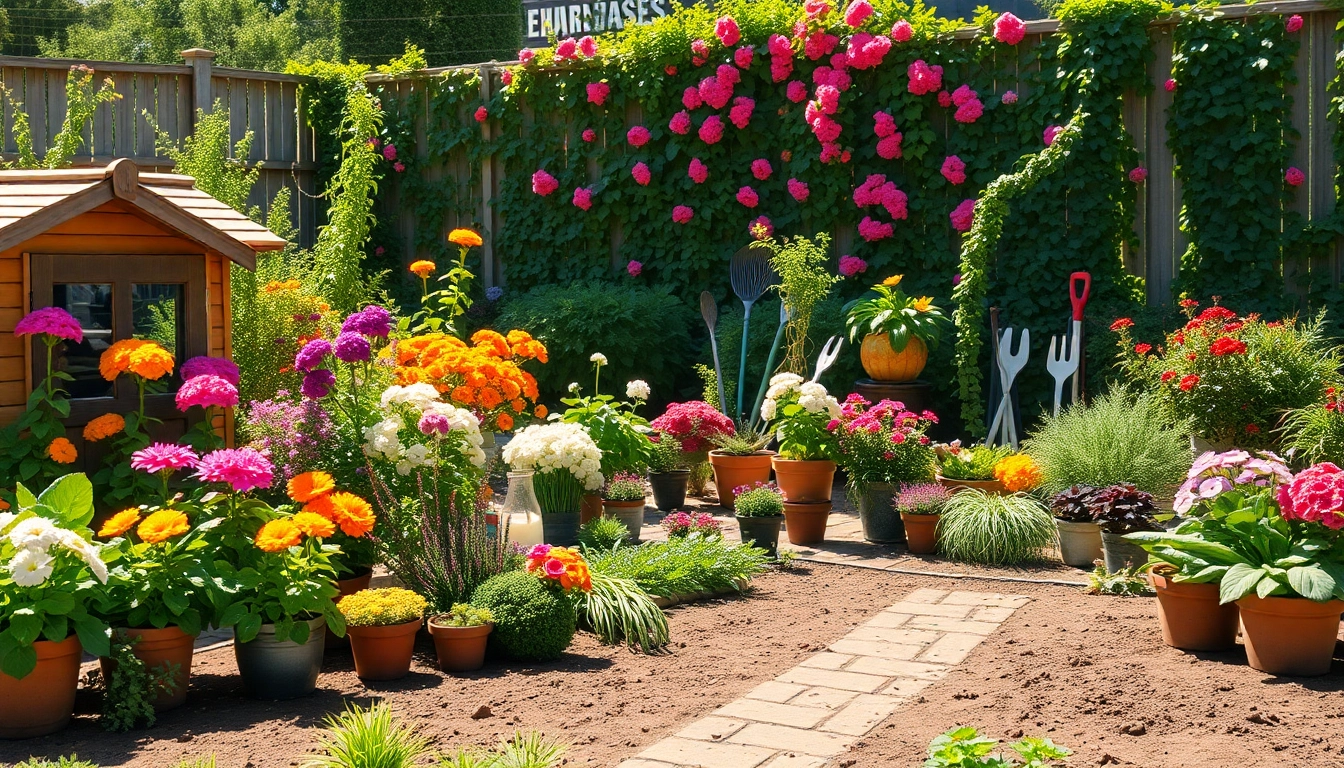
Equipping yourself with the right tools can make gardening more efficient and enjoyable. Here are some essential tools every gardener should consider:
- Hand Trowel: Best for digging and transplanting small plants.
- Pruning Shears: Essential for trimming plants and removing dead branches to promote growth.
- Garden Fork: Useful for aerating soil and mixing in compost or soil amendments.
- Watering Can: A necessity for establishing moisture in new plantings.
- Gloves: Protect your hands from thorny bushes and soil irritants.
Choosing the Right Plants for Your Garden
Selecting the appropriate plants for your garden involves consideration of climate, season, and personal preference. Some key points to consider include:
- Native Plants: These are adapted to your local climate and require less maintenance.
- Annuals vs. Perennials: Annuals bloom for one season, while perennials come back year after year, offering long-term beauty.
- Seasonal Considerations: Choose plants that thrive in your region’s specific seasonal conditions.
- Companion Planting: Some plants thrive better when planted near specific other plants. Learn to pair them to maximize growth and deter pests.
Best Practices for Flexible Gardening
Flexible gardening practices allow you to adapt to varying conditions while maintaining plant health. Flexibility is key, as it can help address unforeseen challenges your garden may face.
Watering Techniques for Optimal Plant Growth
Watering is a crucial aspect of gardening, yet it can be one of the most mismanaged tasks. Here are effective watering techniques:
- Deep Watering: Rather than frequent shallow watering, it’s better to water deeply and infrequently, encouraging root growth.
- Morning Watering: Early watering reduces evaporation and fungal diseases.
- Drip Irrigation: For larger gardens, consider installing a drip irrigation system to deliver water directly to the plant roots.
Planting Strategies for Sustainable Gardening
Implementing sustainable planting strategies not only benefits your garden’s health but also helps the environment. Strategies include:
- No-Till Gardening: This approach helps maintain soil structure, reduce erosion, and promote beneficial organisms.
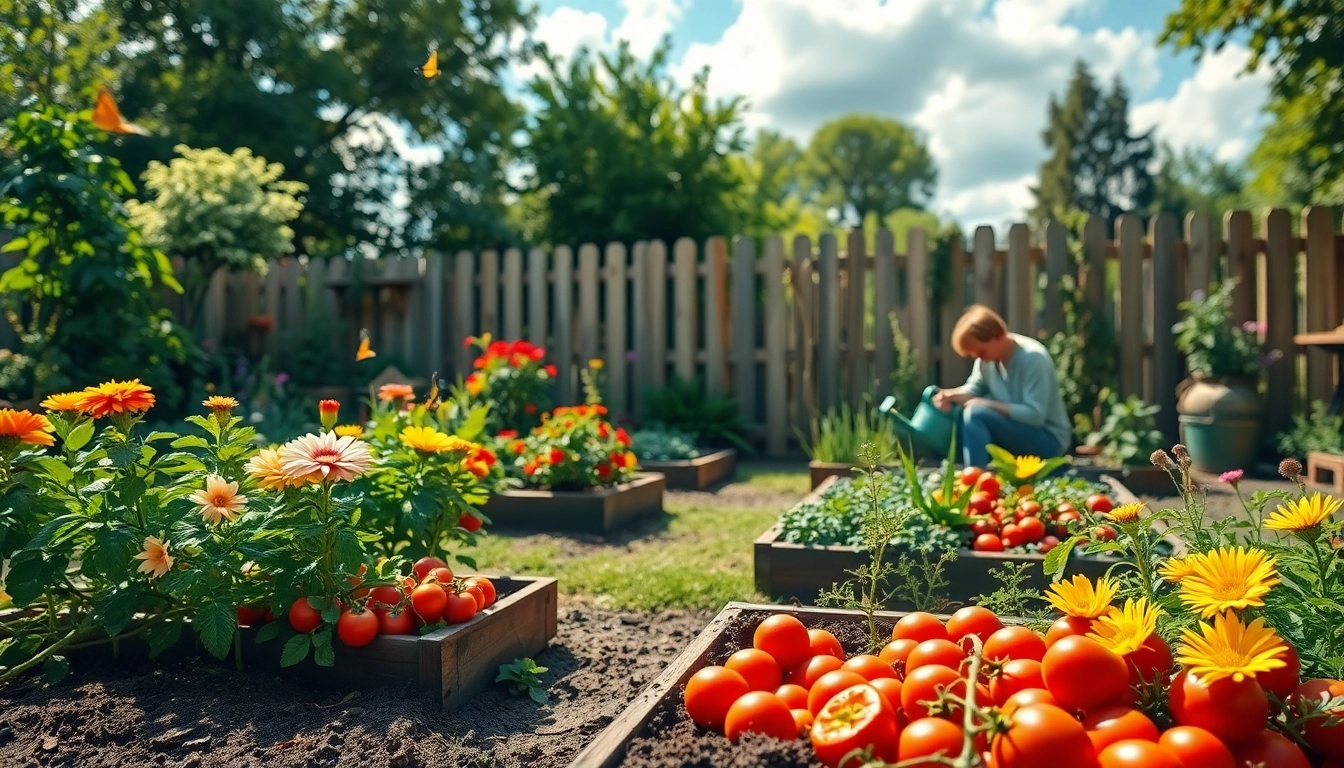
- Raised Beds: Create manageable planting areas that boost drainage and make watering easier.
- Mulching: Apply organic mulch to suppress weeds and retain moisture.
Companion Planting: Benefits and Techniques
Companion planting involves placing different plants close together for mutual benefits. This technique not only promotes biodiversity but can also help control pests naturally. Key examples of companion planting include:
- Tomatoes and Basil: Together, they enhance flavor and deter pests.
- Carrots and Onions: Mixed planting helps protect each other from pests.
- Beans and Corn: Beans provide nitrogen to nourishing corn, while corn offers stalks for the beans to climb.
Advanced Gardening Techniques for Enthusiasts
For those looking to take their gardening skills to the next level, advanced techniques can help maximize yield and sustainability. These methods are suitable for gardeners ready to experiment and innovate.
Organic Gardening Approaches to Reduce Chemicals
Organic gardening focuses on sustainable practices, reducing reliance on synthetic chemicals. Emphasizing natural rather than chemical inputs can free your garden from toxins:
- Natural Pest Control: Use insecticidal soaps or companion plants to deter pests.
- Organic Fertilizers: Employ compost, manure, or natural blends to feed your plants.
- Crop Rotation: Alternate crops to manage soil nutrients and pest populations effectively.
Implementing Raised Beds for Better Crop Yield
Raised beds enhance crop yield in several ways:
- Improved Drainage: Enhanced drainage prevents waterlogging and aids root development.
- Soil Quality Control: You can ensure optimal soil quality and pH levels easily.
- Access: Raised beds reduce strain on your back and knees by elevating the garden area.
Understanding Crop Rotation and Its Advantages
Crop rotation is a practice of alternating the types of crops grown in a particular area over successive seasons. Its benefits include:
- Nutrient Management: Different vegetables have varying nutrient requirements, aiding in soil health.
- Pest and Disease Control: Rotating crops decreases the buildup of pests and diseases that target specific plants.
- Soil Erosion Prevention: Diverse root systems of rotation crops help maintain soil integrity.
Gardening Troubleshooting: Challenges and Solutions
No garden is without its challenges. Being prepared to troubleshoot issues as they arise can save many plants from ending up in the compost heap.
Identifying Common Pests and Diseases
Effective gardening includes vigilance against pests and diseases. Some of the most common include:
- Aphids: Small sap-sucking insects can be removed by spraying water or using insecticidal soap.
- Powdery Mildew: A fungal disease can be treated with a mix of water and baking soda.
- Leaf Spot: Often caused by too much moisture, this can be prevented by ensuring good air circulation among leaves.
Seasonal Care: Preparing Your Garden for Changes
Seasonal changes greatly impact gardening practices. Here are essential seasonal care tips:
- Spring: Prepare the soil and plant cool-weather crops like peas and lettuce.
- Summer: Regularly monitor water requirements as temperatures rise.
- Fall: Time to harvest and prepare your garden for winter; consider planting cover crops.
- Winter: Protect perennials with mulch and plan for the coming season.
Using Mulch and Compost to Improve Growth
Both mulch and compost are powerful tools in a gardener’s arsenal:
- Mulch: Regulates temperature, retains soil moisture, and suppresses weed growth.
- Compost: Enriches soil with nutrients, improves soil structure, and enhances microbial life.
Gardening as a Sustainable Lifestyle
Embracing gardening as a sustainable lifestyle means considering how your gardening activities can positively impact the environment. By integrating eco-friendly practices, you can contribute to sustainability.
The Environmentally Friendly Practices in Gardening
Adopting eco-friendly practices can make your gardening endeavors more sustainable. Here are several methods you can take:
- Water Conservation: Use rain barrels to collect rainwater for irrigation.
- Organic Methods: Reduce or eliminate chemical pesticides and fertilizers.
- Diverse Planting: Promote biodiversity by cultivating a variety of plants, attracting beneficial insects and wildlife.
Growing Your Own Food: The Benefits of Vegetable Gardening
One of the most rewarding aspects of gardening is growing your own food. Benefits include:
- Health Benefits: Access to fresh, organic produce while promoting healthy eating habits.
- Cost Savings: Reducing grocery bills by growing food at home.
- Quality Control: Knowing exactly how your food is grown ensures better safety and nutrition.
Community Gardening: Building a Green Space Together
Community gardening fosters collaboration while enhancing the local environment. Participating in community gardens can lead to:
- Social Connections: Meet neighbors and build relationships through a shared interest in gardening.
- Education: Learn new gardening techniques and share knowledge with others.
- Environmental Impact: Contribute to local biodiversity and create green spaces in urban areas.