Introduction to Gardening: Understanding the Basics
Gardening is a cherished activity that contributes both to personal satisfaction and to our environment. Engaging with soil, tending plants, and nurturing nature fulfills a basic human instinct while offering immense therapeutic benefits. Exploring Gardening can unlock a world of creativity and responsibility, merging aesthetic beauty with ecological balance. This article delves into the fundamentals of gardening, its benefits, essential tools, and techniques to cultivate a thriving garden.
What is Gardening and Its Importance?
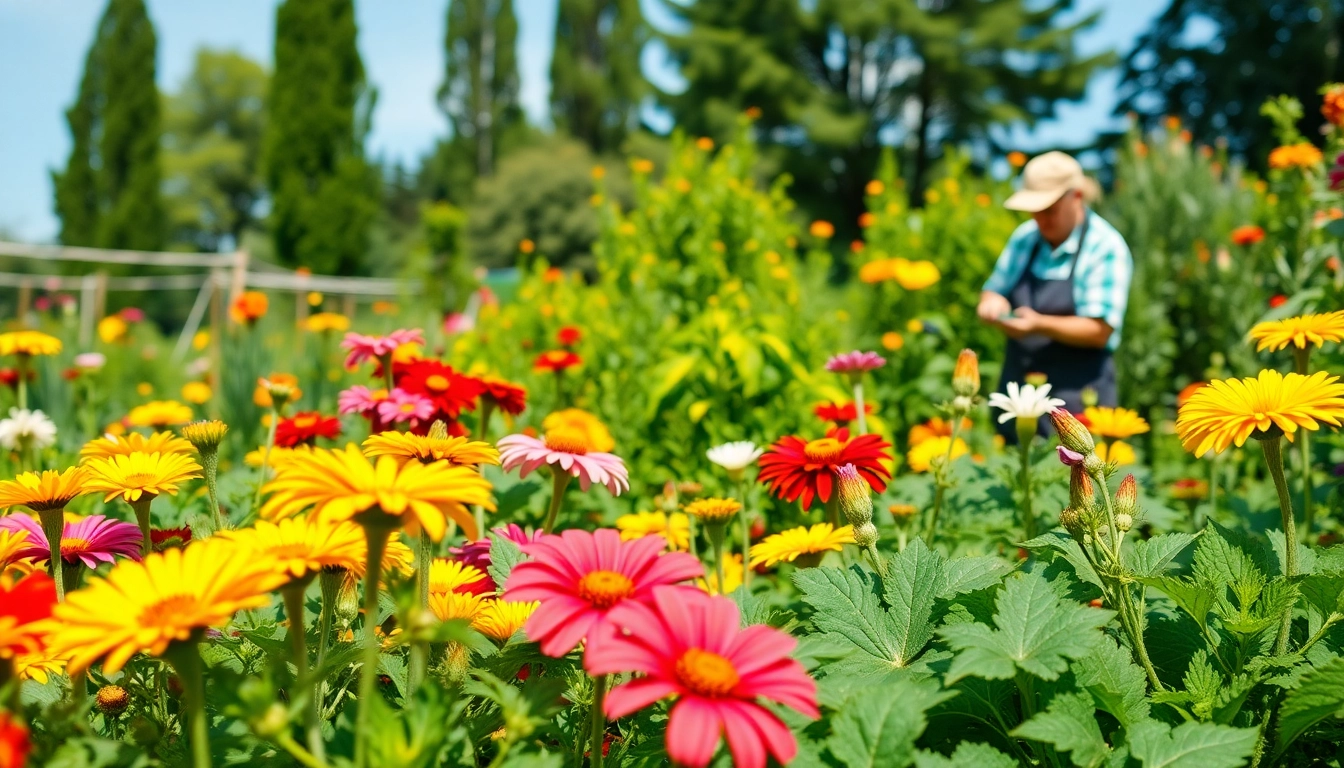
Gardening refers to the act of cultivating and maintaining plants for aesthetic, recreational, or practical purposes. It encompasses a variety of practices including the growing of flowers, vegetables, herbs, and even entire landscapes. The importance of gardening goes beyond mere aesthetics: it plays a crucial role in food production, promotes biodiversity, and enhances environmental health. From small balcony gardens to expansive community plots, gardening provides both individual and societal benefits.
The Benefits of Gardening for Mental and Physical Health
The act of gardening is known to have profound effects on mental health. Engaging in gardening can reduce stress, anxiety, and depression. According to many studies, interaction with nature significantly boosts mood and emotional well-being. Physically, gardening provides a moderate level of exercise, improving cardiovascular health, muscle strength, and flexibility.
- Mental Health Benefits: Increased mood, mindfulness through nature, and reduced symptoms of anxiety.
- Physical Health Benefits: Reduces risks of obesity, promotes physical activity, and enhances overall fitness levels.
- Social Interaction: Community gardens foster social ties and encourage cooperation among neighbors.
Essential Tools for Successful Gardening
Having the right tools is essential for effective gardening. These tools not only facilitate tasks but also enhance the overall gardening experience. Here are some must-have gardening tools:
- Hand Tools: Trowels, pruners, and hand forks are indispensable for planting, weeding, and cultivating.
- Watering Equipment: Hoses, watering cans, and soaker hoses help in maintaining appropriate moisture levels.
- Protective Gear: Gloves, knee pads, and hats protect against injury and exposure to the elements.
- Soil Preparation Tools: Rakes, shovels, and cultivators prepare the soil for planting.
Getting Started: Preparing Your Garden Space
Choosing the Right Location for Your Garden
Deciding where to place your garden is crucial to its success. Factors to consider include:
- Sunlight: Most plants require at least 6-8 hours of direct sunlight daily.
- Soil Quality: The location should have good drainage and fertile soil, if possible.
- Proximity to Water: Accessibility to water for irrigation is essential.
- Wind Protection: Placing your garden in a sheltered area will help protect plants from harsh winds.
Soil Preparation: Testing and Enhancing Soil Quality
Soil is the foundation of a successful garden, thus preparing it is key. Start with soil testing to determine its pH and nutrient levels. Based on the results, consider the following:
- Adding Organic Matter: Incorporate compost or well-rotted manure to improve soil fertility.
- Adjusting pH: Use lime to raise pH or sulfur to lower it based on your soil test results.
- Mulching: Add mulch to maintain moisture levels and suppress weeds.
Designing Your Garden Layout for Maximum Yield
A thoughtful garden layout can maximize yield and minimize labor. Consider the following design principles:
- Row Arrangement: Plan rows based on plant height and sunlight needs, placing taller plants on the north side.
- Group Planting: Plant compatible species together for enhanced growth and reduced pest problems.
- Vertical Gardening: Utilize vertical space by incorporating trellises and wall planters.
Understanding Plants: Types and Their Care
Annual vs. Perennial Plants: Which to Choose?
Understanding plant types is a fundamental aspect of gardening. Annuals complete their life cycle in one growing season, whereas perennials return year after year. Here’s a brief comparison:
- Annuals: Quick blooms and vibrant colors; require replanting each year.
- Perennials: Longer lifespan; often establish root systems for consistent growth; bloom rhythmically.
How to Select the Right Plants for Your Climate
Plant selection should correspond with your specific climate zone. Factors include:
- Hardiness Zones: Research local hardiness zones to choose plants that can withstand local winters.
- Microclimates: Be aware of variations in temperature and moisture within your garden area.
- Seasonal Adaptability: Choose plants that thrive at different times of the year.
Typical Plant Care Requirements: Watering, Pruning, and Feeding
Effective plant care is essential for successful gardening. Each type of plant has unique requirements:
- Watering: Understand the watering needs of your plants; overwatering can be as harmful as underwatering.
- Pruning: Regular pruning helps manage growth and encourages healthier plants.
- Fertilizing: Use the right fertilizers at appropriate times to supply necessary nutrients.
Advanced Gardening Techniques for Enthusiasts
Companion Planting: Maximizing Garden Space and Health
Companion planting involves pairing plants that benefit each other. This can lead to better growth and pest control. Popular combinations include:
- Tomatoes and Basil: Basil repels certain pests and enhances the flavor of tomatoes.
- Carrots and Onions: These two can coexist well as they help deter each other’s pests.
- Marigolds and Vegetables: Marigolds deter nematodes and other harmful insects.
Organic Gardening: Sustainable Practices for Home Growers
Organic gardening is about cultivating plants without synthetic fertilizers and pesticides. This practice focuses on sustainability and environmental health. Key aspects include:
- Natural Fertilizers: Use compost, worm castings, and organic mulch to improve soil health.
- Integrated Pest Management: Combine biological, cultural, and physical controls to manage pests effectively.
- Crop Rotation: Prevent soil depletion and reduce pest invasion by rotating crops annually.
Innovative Gardening Practices: Vertical and Container Gardening
Space-saving techniques like vertical and container gardening have gained popularity, especially in urban settings. These methods maximize growing potential:
- Vertical Gardening: Use walls, trellises, and hanging pots to grow vertical crops.
- Container Gardening: Ideal for small spaces; containers can hold a variety of plants and are easily movable.
Maintaining Your Garden: Seasonal Tips and Tricks
Spring Preparation: What to Do Before the Growing Season
The arrival of spring heralds the new growing season. Essential tasks include:
- Soil Preparation: Test and amend your soil as necessary.
- Planting Seeds: Start seeds indoors for early germination before the last frost.
- Maintenance of Tools: Clean and sharpen tools to ensure efficient gardening.
Summer Care: Keeping Your Garden Thriving
During the summer, it’s vital to stay proactive in caring for your garden:
- Regular Watering: Water deeply and regularly to encourage deep root growth.
- Weed Control: Mulch effectively to suppress weeds and retain moisture.
- Pest Monitoring: Regularly check plants for signs of pests and address issues early.
Preparing Your Garden for Winter: Key Strategies
As winter approaches, it’s essential to prepare your garden for rest.
- Clean Up: Remove dead plants and debris to prevent disease.
- Protection: Use row covers or mulch to safeguard tender plants from frost.
- Planning: Reflect on the successful elements of your garden and plan for improvements in the next growing season.