Understanding the Basics of Home Renovation
Home renovation is a broad term that encompasses various types of upgrades, repairs, and improvements made to residential properties. Whether you intend to modernize your home, increase its value, or make it more functional for your family’s needs, understanding the fundamentals of
Home renovation is crucial. Below, we’ll explore its definition, common projects, and the many benefits of engaging in renovation activities.
What is Home Renovation?
Home renovation refers to the process of improving a broken, damaged, or outdated structure. This might involve everything from minor repairs—like painting walls or refinishing floors—to significant undertakings—like creating an addition or completely restructuring interiors. The renovation can be as simple as replacing fixtures or as complex as modernizing kitchen layouts. Unlike new constructions, which involve building from the ground up, renovations work to enhance existing structures.
Common Types of Home Renovation Projects
Homeowners can choose from various renovation projects depending on their goals, budgets, and needs. Here are some common types:
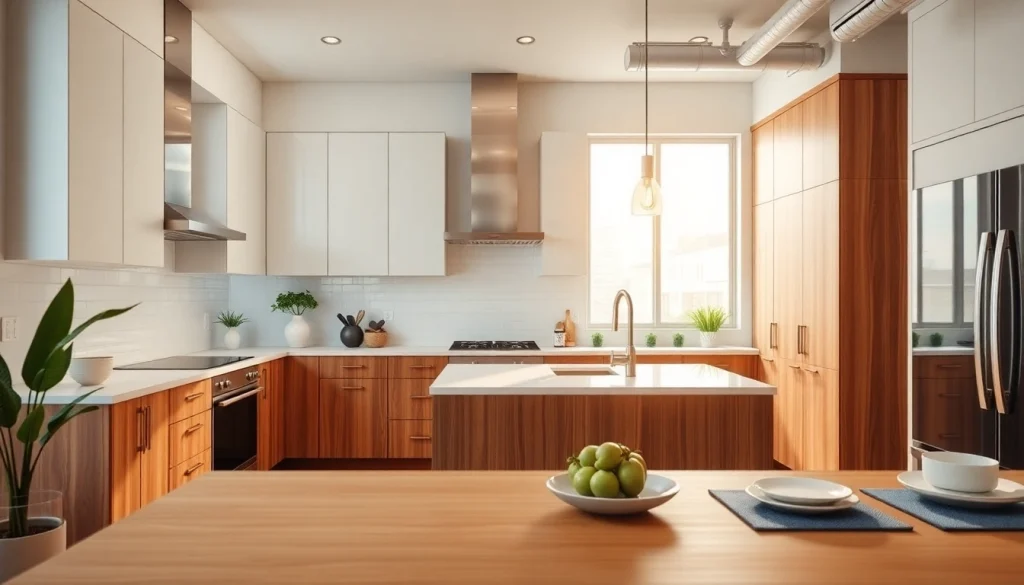
- Kitchens: Often called the heart of the home, kitchen renovations can involve updating appliances, cabinets, countertops, and layouts to improve functionality.
- Bathrooms: Bathroom renovations might entail replacing old fixtures, re-tiling, or redesigning the space for better accessibility and aesthetics.
- Basements: Converting an unfinished basement into a livable space such as a family room, bedroom, or entertainment area is a popular renovation choice.
- Exteriors: Enhancing curb appeal through exterior updates, such as siding replacement, roofing repairs, or landscaping improvements.
- Additions: Expanding living areas by building additional rooms or extensions that align with the existing structure.
Benefits of Investing in Home Renovation
Investing in home renovation comes with numerous benefits including:
- Increased Property Value: A well-executed renovation can significantly increase the market value of your home, often yielding a high return on investment.
- Improved Comfort and Aesthetics: Renovations allow you to tailor your space to fit your lifestyle, resulting in enhanced comfort and satisfaction.
- Energy Efficiency: Many renovations focus on energy efficiency. Upgrading windows, insulation, and appliances can reduce utility costs long-term.
- Enhanced Safety: Modernizing structures can also help address safety hazards such as outdated wiring or plumbing issues.
Planning Your Home Renovation
Effective planning is a cornerstone of any successful home renovation. Here are some key steps to consider.
Creating a Budget for Home Renovation
Before diving into a home renovation project, drafting a realistic budget is essential. Start by determining how much you can afford to spend. Take into account all potential costs, including materials, labor, permits, and unexpected contingencies. It’s often advisable to set aside an additional 10-20% of your budget to cover unforeseen expenses that may arise during the renovation process.
Choosing the Right Design Elements
Another critical aspect of planning is choosing design elements that match your vision while complementing the existing structure. Consider factors like:
- Style: What design style do you desire—modern, traditional, minimalist? Choose elements that align with your preferences.
- Functionality: How will the space be used? Ensure that your choices accommodate practical needs.
- Material: Select durable materials that suit your aesthetic tastes but also remain feasible for long-term use.
Building a Timeline for Projects
Timelines help manage expectations during renovations. They include the duration of each phase and note any deadlines for completing specific tasks. Take into account various factors that might influence timing, such as contractor availability, procurement of materials, and potential weather-related delays for outdoor projects. Establishing a clear timeline helps coordinate efforts, maintain progress, and keep the project on track.
Selecting Contractors and Getting Permits
Renovation projects often require the expertise of skilled professionals. Here’s how to make informed decisions during this phase.
Finding Qualified Professionals for Home Renovation
Choosing the right contractors is vital for the success of any renovation project. Consider the following steps:
- Research: Gather references from friends, family, and online forums to identify reputable contractors with experience in home renovations.
- Contracts and Reviews: Review potential contractors’ portfolios and client testimonials to evaluate their quality of work and reliability.
- Interviews: Schedule interviews to gauge how well contractors understand your project and their willingness to cooperate in adjustments.
Understanding Permits and Legalities
Home renovations may require various permits based on the project scope and local regulations. This could include structural changes, electrical upgrades, plumbing modifications, or exterior alterations. Research local requirements to ensure compliance, as failure to secure necessary permits could lead to costly fines or future complications with property sales.
Checklist for Contractor Selection
To streamline your contractor selection process, consider the following checklist:
- Verify licenses and certifications.
- Inspect insurance coverage and bonding.
- Request written estimates and compare them.
- Discuss timelines and payment schedules upfront.
- Ask about how handling changes in scope will be managed.
Executing Your Home Renovation
Once planning is complete and contractors are selected, it’s time to put the plan into action. Here’s how to ensure a smooth execution.
Managing the Renovation Process
Effective project management is crucial for a successful renovation. This involves:
- Regular Updates: Keep in touch with your contractors to stay informed on progress and any changes that might occur.
- Document Changes: Record any significant changes or extensions to the initial plan to maintain clarity throughout the process.
- Be Flexible: Remain adaptable as renovations can evolve unexpectedly, and being open to modifications helps maintain project momentum.
Communicating with Contractors Effectively
Clear, respectful communication is key for fostering good relationships with your contractors. Regular meetings can establish expectations, resolve misunderstandings and improve collaboration. Establishing an open line of communication encourages contractors to inform you of any potential issues early, which can help avert significant setbacks down the line.
Addressing Common Challenges During Home Renovation
Renovation projects often encounter challenges. Anticipating potential issues can significantly improve your response strategy:
- Budget Overruns: If costs exceed the initial budget, revisit your priorities and identify areas to scale back without compromising core project goals.
- Delays: Weather, supply chain issues, or subcontractor availability may lead to delays. Remain patient and work with your contractor to communicate any new completion estimates.
- Design Discrepancies: If the final outcomes do not align with your vision, engage in discussions with your contractor to explore adjustments that can better meet your expectations.
Post-Renovation Considerations
The completion of your renovation marks an exciting new chapter. However, it’s essential to consider a few follow-up actions.
Evaluating the Success of Your Home Renovation
Assess the renovation against your initial goals. Did the project improve functionality? Is the aesthetic pleasing? Gathering feedback from family and friends can provide valuable external perspectives on the success of the project. Additionally, consider a final walkthrough with your contractors to ensure everything aligns with the agreed terms.
Maintaining Your Renovated Space
After completing your renovation, maintaining the new space is critical. Establish a maintenance schedule that includes routine checks of critical components (plumbing, electrical systems, etc.) and be proactive in addressing wear and tear to enhance longevity.
Long-Term Benefits of Home Renovation
Engaging in home renovation provides long-term benefits beyond aesthetics and comfort. A thoughtfully executed home renovation can significantly improve energy efficiency, thereby reducing long-term utility costs. Moreover, addressing existing structural issues strengthens the safety and durability of your home, ensuring peace of mind for years to come.