
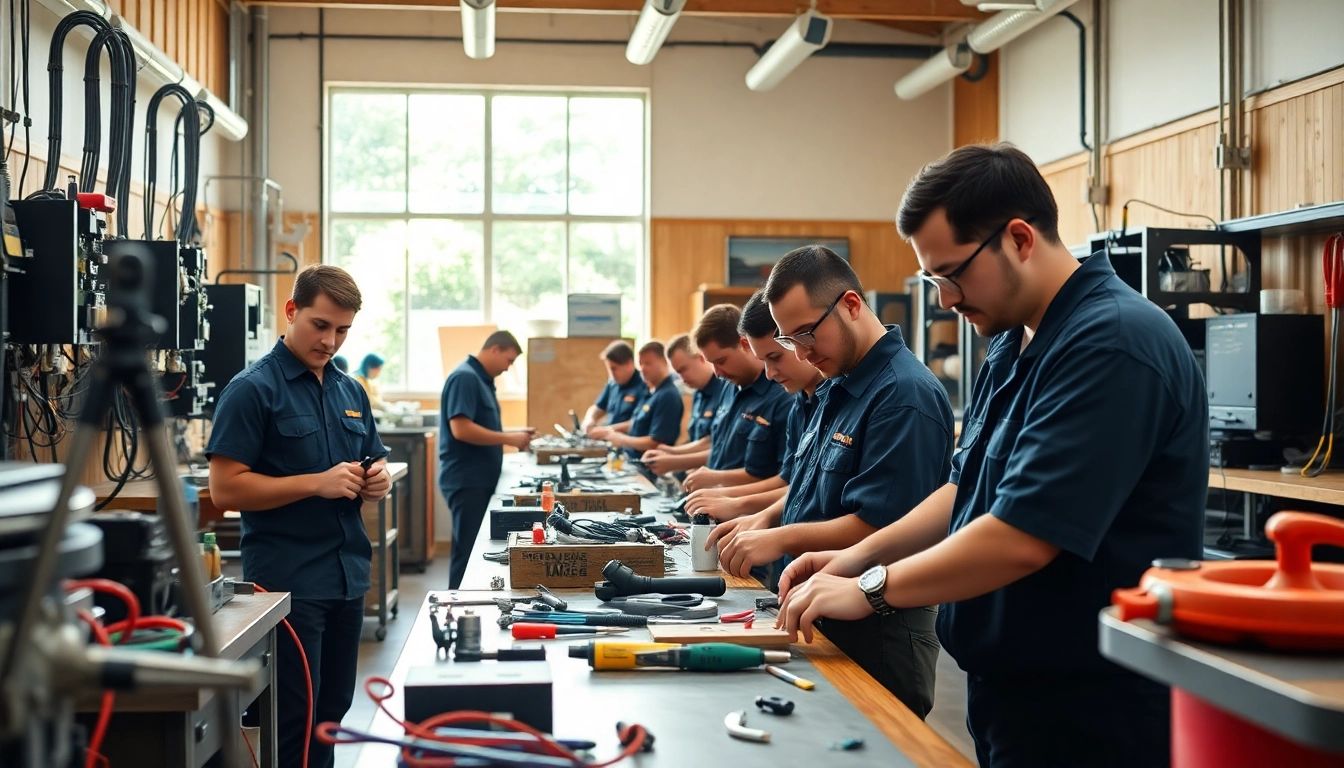
Understanding Trade Schools in Hawaii
What are Trade Schools?
Trade schools, often referred to as vocational or technical schools, focus on equipping students with the specific skills and knowledge required for a particular career. These institutions provide specialized training in a variety of fields, such as plumbing, electrical work, culinary arts, automotive repair, and healthcare. Unlike traditional four-year colleges, trade schools aim to prepare students for the workforce in a shorter time frame, allowing for quicker entry into professions that are in demand.
In Hawaii, trade schools in Hawaii play a crucial role in addressing the unique workforce needs of the local economy, from tourism to construction. They provide students with real-world experience through hands-on training and often partner with local businesses to ensure that their curriculum reflects current industry standards.
Importance of Vocational Education
Vocational education is vital for several reasons. First, it presents an avenue for individuals seeking to enter the workforce quickly, especially those who may not wish to pursue a traditional college degree. Many vocational programs can be completed in a year or two, which is significantly shorter than the time typically required for a bachelor’s degree. This immediacy not only benefits students seeking jobs but also employers looking for skilled labor.
Additionally, vocational education often sees higher job placement rates compared to traditional degree programs. As industries evolve, the need for skilled workers rises, creating a greater demand for vocational training. This sector serves as a bridge between education and employment, filling gaps in various industries with qualified professionals equipped with both theoretical knowledge and practical experience.
Types of Programs Offered
Trade schools in Hawaii offer a diverse range of programs tailored to meet local job market demands. Common fields of study include:
- Healthcare: Programs for nurses, medical assistants, and dental hygienists focusing on practical skills and clinical training.
- Information Technology: Courses in cybersecurity, networking, and software development that prepare students for tech industry roles.
- Culinary Arts: Training in the culinary field that includes cooking techniques, kitchen management, and food safety.
- Construction Trades: Programs in electrical, plumbing, and HVAC training that combine hands-on work with theoretical education.
- Automotive Technology: Comprehensive training in vehicle repair, maintenance, and diagnostics.
Benefits of Attending Trade Schools in Hawaii
Career Opportunities and Job Placement Rates
One of the most significant advantages of attending trade schools in Hawaii is the promising career opportunities available to graduates. Due to the unique geographical and demographic conditions of Hawaii, certain industries have a persistent demand for skilled workers. For example, the tourism and hospitality sectors continually seek individuals trained in culinary arts, hotel management, and recreational services.
Furthermore, vocational schools often have high job placement rates, with many programs boasting impressive statistics showing that graduates secure employment shortly after finishing their education. This is attributed to the schools’ strong relationships with local businesses and industry leaders, who often serve as mentors and offer job placement services.
Hands-On Experience vs. Traditional Education
Hands-on experience is a hallmark of vocational education. Students learn through practical applications rather than solely theoretical classroom instruction. This experiential learning approach allows students to develop real-world skills essential for their chosen careers. For instance, culinary students spend significant time in kitchens, learning not just cooking techniques but also time management, teamwork, and stress handling in busy environments.
In contrast, traditional education may focus on theoretical knowledge without sufficient opportunities to apply what has been learned. As a result, employers often prefer candidates with vocational training, as these individuals can demonstrate proven competencies and have already gained significant experience in their fields.
Flexibility and Accessibility for Students
Trade schools in Hawaii offer flexible schedules that accommodate diverse lifestyles, making education more accessible. Many institutions provide evening or weekend classes, online learning options, and part-time study paths that allow working individuals to pursue their education without sacrificing their jobs. This flexibility enables students to balance their studies with personal or family responsibilities, ultimately broadening the demographic of individuals who can seek vocational education.
Moreover, the short duration of many trade programs means students can enter the workforce more rapidly compared to traditional college paths, making vocational education an attractive option for those conscious of both time and financial investment.
Choosing the Right Trade School in Hawaii
Researching Accreditation and Reputation
Choosing the right trade school is essential for ensuring a quality education. When evaluating potential institutions, one of the first steps is to check for accreditation. Accreditation signifies that a school meets specific educational standards and provides a legitimate educational experience. It also assures employers that graduates are well-prepared for the workforce.
In addition to accreditation, researching the school’s reputation is crucial. Prospective students should explore reviews from alumni, visit forums, or converse with current students about their experiences. Understanding a trade school’s standing in the community and its relationships with local employers can offer insight into the potential quality of education and job placements.
Evaluating Program Offerings and Facilities
When selecting a trade school, evaluating the programs offered and the quality of facilities is of utmost importance. Students should ensure that the programs align with their career aspirations and inquire about specific coursework, certifications, and internships available through the institution.
Visiting the school’s facilities can provide further insight into the quality of resources available, including modern equipment, classrooms, and laboratories. These elements significantly affect the learning experience, so prospective students should assess whether the facilities are well-maintained and up-to-date with industry standards.
Financial Aid and Scholarships Available
Financing education can be a significant concern for many students. Fortunately, various financial aid options are available for those considering trade schools in Hawaii. This may include federal grants, state scholarships, and loans. Additionally, many trade schools offer their own scholarships based on need or merit.
Prospective students should thoroughly investigate their financial aid options and apply early to maximize potential funding. Understanding the total cost of attendance, including materials and living expenses, is essential to creating a realistic budget for education.
Success Stories: Graduates of Trade Schools in Hawaii
Profiles of Successful Alumni
The true measure of a trade school’s effectiveness can often be seen through the success stories of its alumni. Graduates from Hawaii’s vocational schools have gone on to achieve remarkable success in various fields. From renowned chefs operating their own restaurants to skilled electricians who have contributed to major construction projects, these success stories illustrate the tangible benefits of attending trade school.
Alumni profiles typically showcase diverse paths, highlighting how trade education equips graduates with the skills necessary to thrive in their chosen domains. Showcasing these stories can inspire current and prospective students by demonstrating that success is attainable through vocational education.
How Trade Education Transformed Their Careers
Trade education often acts as a transformative force in individuals’ careers. For many, it represents a chance to switch industries, gain new skills, or enhance their employability. A former medical assistant might transition into nursing after pursuing additional training, benefiting from both prior experience and newfound knowledge acquired in trade school.
Such transitions showcase the adaptability of vocational training, emphasizing that it allows individuals to redefine their career paths while equipping them with the tools to ascend to higher levels of success within their chosen industries.
The Role of Networking in Student Success
Networking is another key element of success for trade school graduates. Many vocational programs encourage students to connect with industry professionals, attend workshops, and participate in internships. Building relationships early on can provide valuable opportunities for mentorship, job placements, and industry insights.
Furthermore, alumni networks often play a critical role in helping graduates find employment. Many trade schools cultivate strong connections within their local communities, facilitating beneficial networking events and job fairs that can directly connect students with employers looking for skilled professionals.
The Future of Trade Schools in Hawaii
Emerging Industries and Skills in Demand
The future of trade schools in Hawaii looks promising, particularly as emerging industries start to take shape. Fields such as renewable energy, green technology, and healthcare continue to expand, leading to increased demand for trained professionals in these areas. Trade schools are adapting to these trends by updating curriculums and introducing new programs that reflect the evolving job market and its specific skill requirements.
As technology advances, vocational training must also incorporate tech-savvy skills to keep pace with industry growth. Digital tools, software applications, and online work environments are becoming standard across professions, necessitating that trade schools integrate these aspects into their training programs.
Adapting Programs to Market Changes
To remain relevant and effective, trade schools must continually assess and adapt their programs to changes within local and global job markets. Adopting a curriculum that reflects these shifts ensures that students receive training that is applicable and valuable upon entering the workforce. This may include incorporating newer technologies into classrooms, such as simulation software for healthcare training or advanced machinery for technical fields.
Additionally, ongoing feedback from industry partners can inform trade schools about necessary changes, guiding them on how to enhance their programs continually. This kind of responsiveness not only helps students but strengthens the wider community by ensuring that industry needs are met effectively.
Community Impact and Workforce Development
Trade schools have a profound impact on community development and workforce growth in Hawaii. By training and educating a skilled workforce, these institutions help to elevate local economies, reduce unemployment rates, and improve overall living standards. Trade schools often cultivate a sense of community among students and alumni, fostering collaboration and support that extends well beyond graduation.
Moreover, many trade schools engage with their communities through outreach programs and partnerships, making education more accessible to underrepresented groups or individuals looking for a second chance. By prioritizing inclusivity and community involvement, trade schools play a central role in shaping not only individual careers but the economic landscape of Hawaii.