
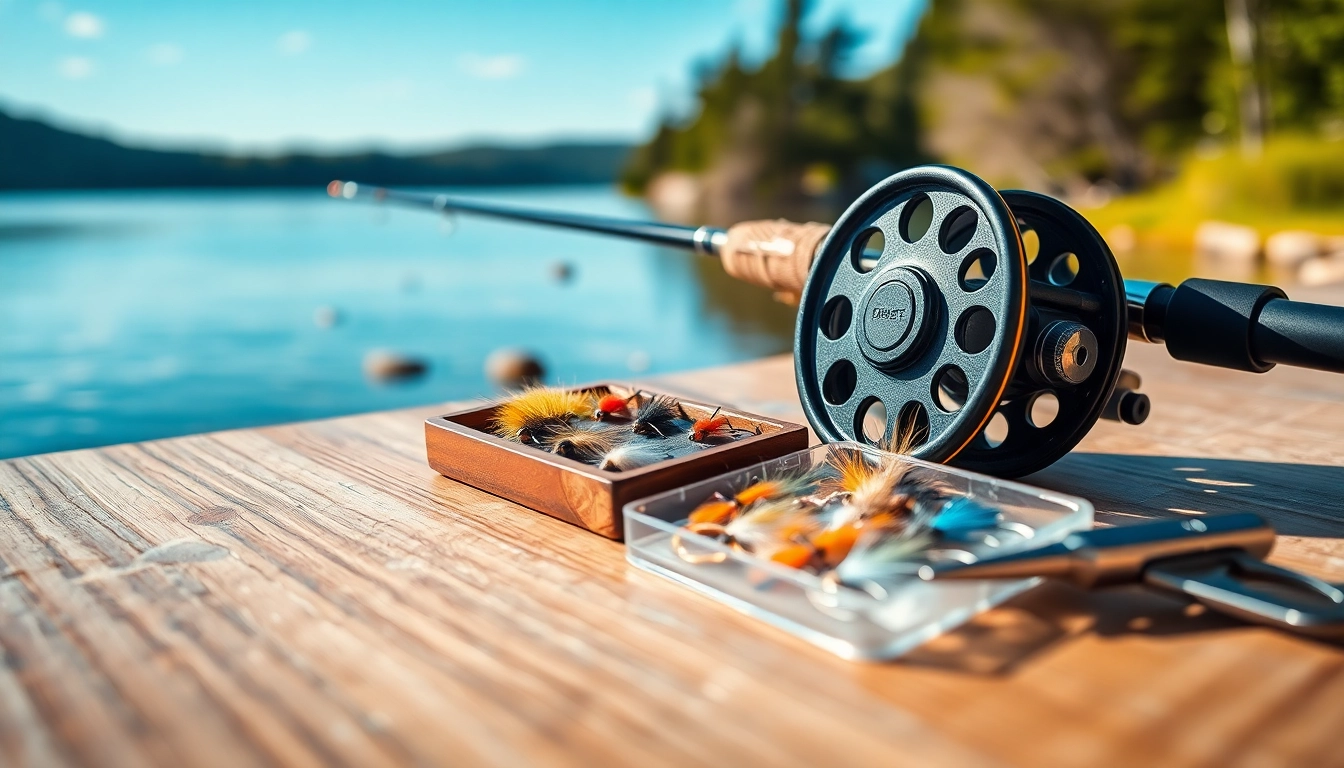
Understanding the Basics of a Fly Fishing Kit
Embarking on the journey of fly fishing begins with an understanding of the essential components that make up a fly fishing kit. Whether you’re a novice angler or someone looking to upgrade their equipment, having a solid foundation in the basics can significantly enhance your fly fishing experience. Get familiar with the key elements of a Fly fishing kit to ensure you’re well-prepared for your next trip.
Key Components of a Fly Fishing Kit
A comprehensive fly fishing kit typically includes the following vital components:
- Rod: The fly rod is crucial for casting your line. It is available in different lengths, taper styles, and material types, influencing both casting ability and overall performance.
- Reel: This component is designed to hold the line and assist during reeling in fish. It must match your rod’s weight and style for optimal performance.
- Line: Fly lines come in various types, including floating, sinking, and intermediate. Each serves a specific purpose depending on your fishing environment.
- Leader and Tippet: Leaders connect your line to the fly, while tippets allow for adjusting size and weight, ensuring a delicate presentation to fish.
- Flies: These are the artificial baits used to entice fish, which come in various shapes, colors, and sizes, catering to different fish species.
- Accessories: Essential tools like nippers, forceps, floatant, and a fly box for storage further enhance your fishing preparedness.
Choosing the Right Rod and Reel
Selecting the appropriate rod and reel is pivotal for fly fishing success. Factors such as the type of fish targeted, the water type, and your fishing style play essential roles in this decision. Consider the following guidelines:
- Rod Length: Longer rods offer improved casting distance, while shorter rods allow for better control. Typically, 9-foot rods are a popular choice for general-purpose fishing.
- Weight: Rods are categorized by weight, which correlates directly with the line weight. A weight of 5 is versatile for trout in freshwater, while heavier weights are better suited for larger fish.
- Reel Type: Choose a reel that complements your rod and is capable of holding sufficient line for the species you are pursuing.
Essential Accessories for Every Fly Fishing Adventure
Beyond the core components, certain accessories elevate your fly fishing experience. Here’s a brief list of must-have items:
- Leaders and Tippets: As mentioned, these components are critical for seamlessly attaching your flies to your line.
- Tools: Carrying nippers for line cutting, forceps for hook removal, and a fly box for organization can simplify your fishing session.
- Safety Gear: It’s wise to have personal flotation devices (PFDs) and first-aid kits for precautionary measures while pursuing your adventures.
- Bait and Fly Selection: Having a diverse array of flies ensures you’re prepared for varying conditions and fish types.
Customizing Your Fly Fishing Kit for Various Environments
No two fishing experiences are identical; therefore, customizing your Fly fishing kit based on the fishing environment can greatly enhance your success. Let’s explore how to adapt your kit for several scenarios.
Adapting Your Kit for Freshwater Fishing
Freshwater fishing often involves rivers, lakes, and streams, each presenting unique challenges. Here’s how to best adapt your kit for these environments:
- Rod Choice: A 5 to 7-weight rod is generally suitable for a variety of trout in freshwater environments.
- Line Selection: Floating lines are typically preferred due to their ease of use in currents and their ability to present flies accurately.
- Flies: Consider using dry flies, nymphs, and streamers that match the local hatch patterns to increase your catch rate.
Preparing Your Kit for Saltwater Fishing
Saltwater fishing requires a different approach due to the species targeted and the environments fished. Here are considerations when prepping your saltwater kit:
- Robust Rod and Reel: Opt for heavier rods (8-12 weight) and reels designed to withstand the corrosive nature of saltwater.
- Line Type: Consider using a sinking line for deeper species or floating lines for surface feeders.
- Flies: Large streamers or poppers imitating bait fish can be effective choices when fishing around structures or for predatory species.
Seasonal Adjustments to Your Fly Fishing Kit
Weather and water conditions greatly influence fish behavior. Therefore, adjusting your kit based on seasons is beneficial:
- Spring: Fish become more active as temperatures rise. Using lighter tippets and matching flies to emerging hatches can yield great results.
- Summer: Focus on early mornings or evenings to avoid the heat. Use larger patterns to entice fish looking for a meal.
- Fall: Fish begin to fatten up for winter; providing larger streamer patterns can be effective.
- Winter: Fish are less active; using more subtle presentations and slower retrieves with smaller flies often work best.
Common Mistakes to Avoid When Assembling a Fly Fishing Kit
Even seasoned anglers can make mistakes when putting together their fly fishing kit. Identifying and avoiding common pitfalls is essential for a successful fishing experience:
Overpacking Unnecessary Items
While it might seem beneficial to carry everything, overpacking can hinder mobility and create confusion at critical moments. Focus on the essentials:
- Organize your gear to ensure only necessary items are included.
- Limit the number of flies you carry; choose a versatile selection instead of every type you own.
Neglecting Kit Maintenance and Upgrades
Maintenance is key for longevity and performance. Regularly inspect and replace worn components, such as:
- Retightening reel drag.
- Replacing old line that can degrade over time.
Not Tailoring the Kit to Skill Level
As a fly fisher, your kit should reflect your experience and skill level. Beginners should focus on more simplistic gear while experienced anglers may want specialized equipment. Consider these tips:
- New anglers should start with all-in-one kits designed specifically for beginners.
- As your skill level grows, gradually introduce more specific equipment tailored to your fishing style.
Maximizing Performance with Effective Fly Fishing Techniques
Having the right gear is just one part of the equation; mastering fly fishing techniques is equally important. Understanding how to maximize your performance on the water can significantly elevate your fishing experience.
Basic Casting Techniques for Beginners
Simple yet effective casting is crucial for success in fly fishing. Here are core techniques to grasp:
- The Reverse Cast: A proper back cast allows you to load the rod for an effective forward cast.
- Timing and Rhythm: Achieving the right tempo in your casting motion influences your line’s accuracy and distance.
- Accurate Placement: Aim for natural spots in the water where fish are likely to be found, increasing your chances of a catch.
Advanced Strategies for Experienced Anglers
For more seasoned anglers, refining your technique can lead to better performance:
- Using Double Hauls: This technique increases line speed for longer casts.
- Wind Management: Understanding how to cast in windy conditions is critical for accuracy and distance.
- Leader Construction: Adjusting your leader’s length and thickness can enhance presentations depending on the water type.
How to Select the Right Flies for Your Kit
Your fly selection can make or break your fishing day. Here are factors to consider when selecting the right flies:
- Matching the Hatch: Find out what insects are present and choose flies that mimic them.
- Water Conditions: Understand whether you are fishing in stagnant, moving, or still waters as different conditions may require various patterns.
- Understanding Local History: Ask local anglers or visit shops for advice on effective flies based on recent fishing conditions.
Finding the Best Fly Fishing Kits: Tips and Resources
Equipped with knowledge, purchasing or building a fly fishing kit can be a rewarding experience. Here are tips and resources to assist in finding the best options available:
Online Resources and Communities for Fly Fishers
Utilizing digital platforms to connect with fellow anglers can provide valuable insights:
- Join forums or social media groups dedicated to fly fishing to stay updated on trends, tips, and equipment reviews.
- Engage in local fishing clubs or community gatherings for advice and product demonstrations.
Evaluating Quality vs. Price in Fly Fishing Kits
Budgeting is essential, but quality shouldn’t be compromised. Consider these when evaluating kits:
- Research brands with a reputation for durability and performance.
- Read user reviews to assess real-world effectiveness, especially for beginner kits.
Building a Personalized Fly Fishing Kit Over Time
Start with the essentials and build your kit as you gain experience. Consider implementing the following strategies:
- Buy high-quality basics that last, and gradually expand with specialty items as your skills progress.
- Set aside time for research before purchasing new items to avoid spur-of-the-moment decisions that may not suit your style.


