
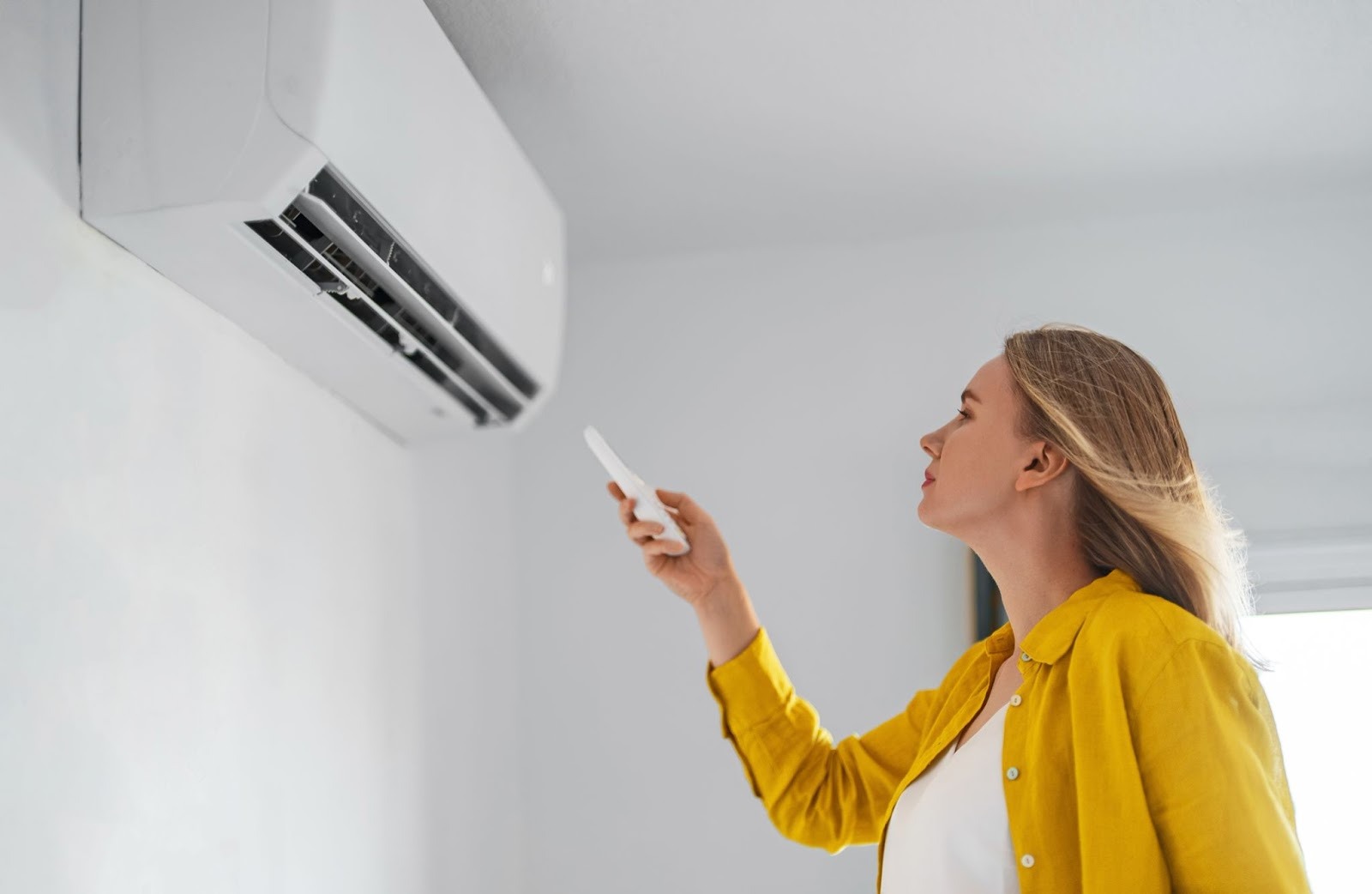
Understanding Air Conditioning Systems
Air conditioning systems are essential for maintaining comfort in residential and commercial spaces, especially during hot weather. Understanding the various types of air conditioning units, how they work, and how to choose the right system is crucial for any property owner. By having a comprehensive grasp of these aspects, you can ensure efficient cooling and cost savings. This article explores various facets of air conditioning systems, focusing on practical insights and best practices.
Types of Air Conditioning Units
There are several types of air conditioning units available, each designed for specific spaces and cooling needs. Here’s a deeper look into the primary categories:
- Central Air Conditioning: This system uses ducts to circulate cool air throughout the home. It’s ideal for larger spaces and provides consistent cooling across multiple rooms.
- Window Units: These are compact and designed to fit in a window. While effective for cooling single rooms, they may not suffice for larger spaces.
- Portable Units: Easy to move and install, portable air conditioners are suitable for renters or smaller spaces where installation of permanent units isn’t feasible.
- Split Systems: Split ACs consist of an indoor and outdoor unit. They are highly efficient and provide flexible installation options, making them suitable for various settings.
- Hybrid Systems: These units combine traditional cooling with supplementary heating capabilities for year-round climate control.
How Air Conditioning Works
Air conditioning systems primarily operate through the principles of heat exchange, using refrigerants to absorb heat from indoors and release it outside. Here’s a breakdown of the process:
- Refrigerant Circulation: The refrigerant circulates within the AC unit in a closed loop, undergoing phase changes as it absorbs and releases heat.
- Evaporator Coil: Inside the indoor unit, the refrigerant absorbs heat from the indoor air through the evaporator coils, turning from a liquid to a gas in the process.
- Compressor: The gas is then compressed by the compressor, raising its pressure and temperature before sending it to the outdoor condenser unit.
- Condenser Coil: In the outdoor unit, the refrigerant releases the absorbed heat into the atmosphere through the condenser coils and returns to a liquid state.
- Cycles Repeat: The liquid refrigerant then flows back to the evaporator coil, and the cycle continues until the desired indoor temperature is achieved.
Choosing the Right System for Your Needs
Selecting the most appropriate air conditioning system involves considering various factors such as the size of your space, the climate of your location, energy efficiency, and your budget. Here are some tips to guide your decision:
- Calculate BTUs: The British Thermal Unit (BTU) measures how effectively a unit cools a space. As a rule of thumb, 20 BTUs per square foot of living space is a good estimate for cooling capacity.
- Energy Efficiency: Look for air conditioning units with a high SEER (Seasonal Energy Efficiency Ratio) rating, which indicates efficiency during cooling seasons.
- Consider Layout: Evaluate the layout of your space. Ducted systems may work well in larger homes, whereas window or portable units might suffice for smaller areas or rented spaces.
Installation Process at https://www.lancashireairconditioning.com
Installing an air conditioning system correctly is vital for optimal performance and longevity. The installation process can vary based on the type of system being installed. Here’s a breakdown of the typical steps involved, specifically referencing practices from https://www.lancashireairconditioning.com.
Initial Consultation and Assessment
The first step in the installation process involves assessing your needs and evaluating your space. A qualified technician will perform the following assessments:
- Site Evaluation: Inspecting the area where the unit will be installed to assess space constraints and existing ductwork, if applicable.
- Load Calculation: Conducting a heat load calculation to determine the appropriate size and capacity of the air conditioning unit.
- Budget Discussion: Discussing your budget to ensure that choices align with financial constraints while meeting cooling needs.
Step-by-Step Installation Guide
Once the consultation confirms the system selection, the following installation steps are typically observed:
- Prepare the Space: The area must be clean and cleared of any obstructions, allowing for seamless installation.
- Installing Indoor/Outdoor Units: Positioning indoor and outdoor units appropriately, ensuring access for maintenance.
- Ductwork Setup: If applicable, installing new ductwork or modifying existing ducts to ensure efficient airflow.
- Electrical Connections: Establishing necessary electrical connections for the system to function properly while adhering to safety standards.
- Final Testing: Conducting system checks to ensure it is cooling correctly and that all components function seamlessly.
Common Installation Challenges
Several challenges may arise during installation, and addressing them in advance can prevent issues later. These can include:
- Space Constraints: Limited space for installation may require creative solutions, such as utilizing vertical space or installing ductless systems.
- Undetected Issues: Pre-existing issues, such as faulty wiring or inadequate ductwork, can affect overall system performance if not addressed during installation.
- Environmental Factors: Weather conditions may complicate outdoor unit installation. Scheduling flexibility is crucial during inclement weather.
Regular Maintenance for Optimal Performance
Maintaining an air conditioning system is critical to prolonging its lifespan, and ensuring consistent performance. Regular upkeep can minimize unexpected breakdowns and increase energy efficiency.
Importance of Routine Maintenance
Routine maintenance is essential for several reasons:
- Maximizing Efficiency: Regular check-ups help maintain optimal efficiency, reducing energy consumption and costs.
- Extending Lifespan: Routine care increases the lifespan of the AC unit, delaying costly replacements.
- Health Benefits: Maintenance ensures clean air filters, which improves indoor air quality and reduces allergens.
Signs Your AC Needs Servicing
Identifying signs that your air conditioning unit needs servicing can prevent larger issues down the line. Look out for:
- Inconsistent or insufficient cooling across rooms.
- Unusual noises, such as grinding or hissing sounds.
- Increased energy bills without a corresponding change in usage.
- Foul odors coming from the vents.
How to Maintain Your AC Unit
Proper maintenance can be broken down into these actionable tasks:
- Regular Filter Changes: Change or clean filters every one to three months depending on usage.
- Professional Tune-Ups: Schedule annual inspections with a trained technician for comprehensive maintenance.
- Clean Coils: Keep both indoor and outdoor coils clean to enhance efficiency.
Repairing Common Air Conditioning Issues
Despite regular maintenance, air conditioning units may encounter issues that require professional repair. Understanding common problems can help you address them promptly.
Identifying Common Problems
Here are some of the prevalent issues that may arise:
- Refrigerant Leaks: A drop in refrigerant levels indicates a leakage, affecting cooling efficiency.
- Thermostat Issues: A malfunctioning thermostat can lead to inconsistent temperature control.
- Drainage Problems: Clogs or leaks in the drainage system may result in water damage.
When to Call a Professional
Understanding when to call for professional assistance can prevent further complications. Seek expert help if:
- You notice frequent cycling, where the system turns on and off excessively.
- There are strange noises not typical of normal operation.
- You experience poor airflow despite clean filters.
Emergency Repairs and Services
Sometimes, issues may arise unexpectedly, resulting in urgent need for repair. Having an emergency plan in place ensures prompt care during cooling emergencies:
- 24/7 Access: Many service providers offer around-the-clock availability for urgent repairs.
- Quick Response Times: Choosing companies that guarantee swift response times helps minimize discomfort during breakdowns.
Frequently Asked Questions About https://www.lancashireairconditioning.com
How Often Should I Service My AC?
Ideally, it’s recommended to have your air conditioning system serviced at least once a year. Regular check-ups help maintain efficiency and prolong the system’s lifespan.
What Are the Expected Costs?
The costs associated with air conditioning services can vary widely based on the system type, the complexity of installation, and geographical location. Budgeting for both initial installation and ongoing maintenance is crucial.
Warranty and Aftercare Services
Understanding warranty provisions is essential for minimizing repair costs. Many air conditioning units come with manufacturer warranties, but additional aftercare service plans can offer peace of mind and routine maintenance provisions.