Step-by-Step Guide to Starting an Electrician Apprenticeship Hawaii
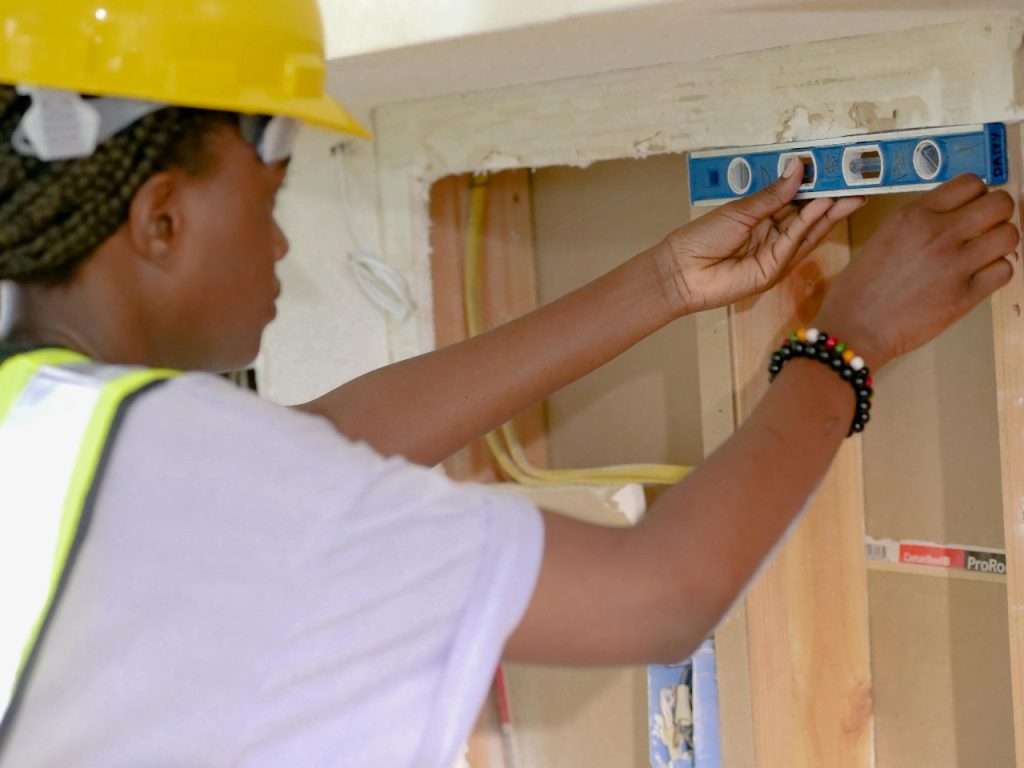
Starting an Electrician apprenticeship hawaii program is one of the most practical and rewarding ways to enter a stable, high-demand trade. Hawaii’s electrical industry continues to grow alongside its construction, renewable energy, and tourism sectors, creating a consistent need for skilled electricians. If you’re ready to earn while you learn and build a fulfilling career, understanding how to begin your apprenticeship journey in the islands is the first crucial step.
Why Choose an Electrician Apprenticeship in Hawaii
Becoming an electrician offers long-term career security, competitive pay, and hands-on experience that leads to professional growth. In Hawaii, apprenticeships give you the chance to learn directly from licensed professionals while earning an income. These programs blend classroom instruction with real-world electrical work, helping you develop technical skills and meet state licensing requirements.
Benefits of Apprenticeship Training
An apprenticeship allows you to gain valuable on-the-job experience that simply can’t be taught in a traditional classroom. You’ll work alongside experts, install wiring, troubleshoot systems, and handle real electrical challenges in homes, businesses, and industrial environments. Additionally, your education will cover safety codes, electrical theory, and Hawaii-specific regulations—all essential for a licensed electrician.
Hawaii’s Growing Demand for Electricians
With the state’s focus on green energy and infrastructure projects, the demand for electricians is expected to rise. Solar panel installations, smart home systems, and commercial developments all require skilled labor, making now an excellent time to start an apprenticeship in Hawaii.
Step 1: Meet the Basic Requirements
Before you apply for any program, it’s important to make sure you meet the minimum eligibility requirements. While these can vary by organization, most Electrician apprenticeship Hawaii programs follow a similar set of standards.
Educational Background
You’ll generally need at least a high school diploma or GED. A solid understanding of math, particularly algebra, is essential since calculations are a big part of electrical work. Science and shop classes can also give you a helpful foundation.
Age and Physical Ability
Most apprenticeship programs require applicants to be at least 18 years old. Since electrical work can involve climbing ladders, handling tools, and working in different environments, you should also be physically capable of performing these duties safely.
Identification and Documentation
Prepare to provide valid identification, proof of residency, and possibly a birth certificate or Social Security card. Some programs might also ask for a driver’s license, especially if job sites are spread across multiple islands.
Step 2: Research Apprenticeship Programs
Once you meet the qualifications, your next task is to find the right Electrician apprenticeship Hawaii program that matches your goals. Hawaii offers both union and non-union training options, giving you flexibility in how you pursue your career.
Union Apprenticeships (IBEW Local 1186)
The International Brotherhood of Electrical Workers (IBEW) Local 1186 is one of the most well-known apprenticeship providers in Hawaii. Their program is highly respected for its structured training and job placement opportunities. Apprentices in the IBEW program receive comprehensive education in both theory and fieldwork while earning competitive wages.
Non-Union and Independent Programs
You can also explore non-union apprenticeship options offered by private employers, contractors, and educational institutions. Programs such as those managed by the Associated Builders and Contractors (ABC) or local trade schools provide similar training with flexible schedules and hands-on experience.
Trade Schools and Community Colleges
Hawaii’s community colleges and technical schools often collaborate with apprenticeship sponsors to offer courses in electrical technology. Honolulu Community College, for instance, provides an Electrical Installation and Maintenance Technology program designed to complement your field training.
Step 3: Apply and Prepare for the Selection Process
Once you identify the apprenticeship program that fits your goals, it’s time to submit your application. The process can be competitive, so preparation is key.
Application Materials
You’ll typically need to submit a completed application form, transcripts, and any supporting documents showing your educational background and work experience. Some programs may also require letters of recommendation or a personal statement describing your interest in becoming an electrician.
Entrance Exams
Many apprenticeship programs use an aptitude test to assess your math, reading comprehension, and problem-solving skills. Reviewing basic algebra and mechanical reasoning beforehand will help you perform well.
Interviews
If you pass the initial screening, you may be invited to an interview with program representatives or potential employers. Dress professionally, express enthusiasm for the trade, and demonstrate your reliability and willingness to learn.
Step 4: Begin Your Apprenticeship Journey
After acceptance, your Electrician apprenticeship Hawaii training begins. This typically involves a combination of classroom instruction and paid on-the-job training under the supervision of a licensed journeyman.
Classroom Learning
You’ll attend courses covering electrical theory, blueprint reading, circuitry, safety standards, and the National Electrical Code (NEC). Classes are usually held in the evenings or on weekends to accommodate your work schedule.
On-the-Job Experience
Apprentices work full-time for contractors or companies, gaining practical skills in installation, repair, and maintenance of electrical systems. You’ll log a specific number of hours—often around 8,000—over the course of four to five years.
Pay and Advancement
Apprentices typically start at a percentage of a journeyman electrician’s wage and receive regular pay increases as they gain experience and complete training milestones. This “earn while you learn” model makes the process financially sustainable.
Step 5: Complete the Program and Get Licensed
After completing your training, you’ll be ready to take the final step toward becoming a licensed electrician in Hawaii.
Earning Your Certificate of Completion
Once you’ve fulfilled your classroom and on-the-job requirements, you’ll receive a Certificate of Completion from your apprenticeship sponsor. This credential verifies that you’re qualified to sit for the state licensing exam.
State Licensing Exam
To work independently, you must pass Hawaii’s state electrician licensing exam. The test evaluates your knowledge of electrical codes, safety practices, and installation techniques. Study materials are often provided by your apprenticeship program or can be found through the Department of Commerce and Consumer Affairs (DCCA).
Continuing Education
Even after you become licensed, electricians in Hawaii are encouraged to pursue continuing education. Staying updated on the latest technology, codes, and renewable energy systems ensures long-term career success.
Step 6: Explore Career Opportunities
Completing an Electrician apprenticeship Hawaii opens doors to numerous career paths. You can work for electrical contractors, government agencies, or utility companies—or even start your own business.
Specialization Options
Electricians can specialize in various fields such as residential wiring, industrial maintenance, or solar energy installation. As Hawaii continues to expand its clean energy initiatives, solar electricians are especially in demand.
Job Outlook and Salary
According to recent data, licensed electricians in Hawaii earn an average annual wage above the national average, reflecting the state’s cost of living and strong demand for skilled workers. Apprentices who complete their programs enjoy steady employment opportunities across multiple islands.
Step 7: Build a Long-Term Career
Your apprenticeship is only the beginning of a lifelong trade career. With experience, you can advance to supervisory positions, become an electrical inspector, or even open your own contracting business.
Professional Networking
Join local trade associations, attend industry events, and stay connected with your mentors and peers. Networking not only helps you find better job opportunities but also keeps you informed about new technologies and regulations.
Maintaining Certification
Make sure to renew your license as required by the state and stay compliant with ongoing training or continuing education requirements. This ensures your career remains secure and competitive.
Conclusion: Power Up Your Future in Hawaii
Starting an Electrician apprenticeship Hawaii is one of the smartest career choices you can make. With hands-on learning, solid pay, and opportunities for growth, apprenticeships pave the way to a respected and reliable trade. Whether you choose a union or independent program, each step brings you closer to becoming a licensed electrician ready to power homes, businesses, and communities across the islands. Begin your journey today with ABC Hawaii’s trusted resources and take the first step toward a bright, electrifying future.