Understanding Modern Furniture Design Trends
The Essence of Modern Aesthetics
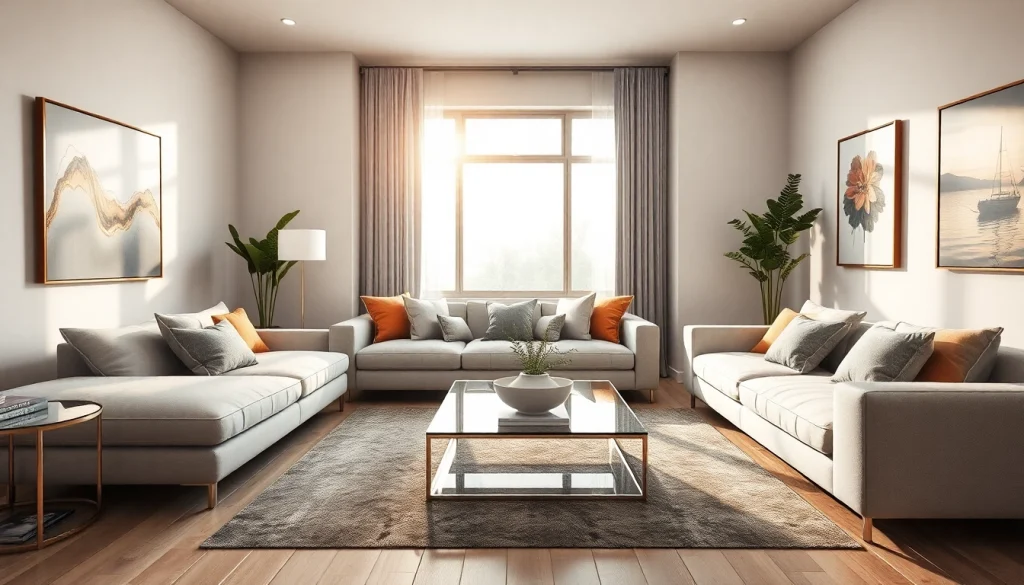
Modern furniture design embodies a philosophy of simplicity and minimalism, steering away from ornamentation and embracing clean lines and functionality. This aesthetic is heavily influenced by the mid-20th century design movement, characterized by a blend of form and function that resonates with contemporary lifestyles. It’s essential to recognize that modern aesthetics prioritize open spaces and natural light, creating an inviting atmosphere that underscores comfort and utility. Elements of modern design emphasize not just how furniture looks but also how it enhances the user experience within a room.
Key Elements of Modern Furniture Design
Several key elements define modern furniture design:
- Clean Lines: Modern furniture often features straight lines and geometric shapes that create a sense of order and harmony.
- Neutral and Bold Colors: The color palette typically includes whites, blacks, and grays, complemented by vibrant accents in select areas.
- Material Diversity: A mix of materials—wood, metal, glass, and plastic—often used together, enhances textural qualities.
- Functionality: Every piece serves a primary function while also being aesthetically pleasing, promoting a clutter-free environment.
- Minimalism: Modern design avoids excessive decoration, focusing instead on functionality, which aligns with contemporary values of sustainable living.
Color Palettes That Define Modern Spaces
The selection of colors in modern furniture plays a crucial role in defining the ambiance of a home. Neutral colors serve as a foundation, allowing bold accents to highlight specific areas or pieces. Coordinating furniture with wall colors and decor enhances the overall design. For instance, pairing a deep blue sofa with light gray walls creates sophistication, while a striking yellow chair can become a lively feature in a monochromatic setting. The careful balance of bold and neutral colors contributes significantly to a space that feels cohesive and intentional.
How to Choose the Right Furniture for Your Home
Identifying Your Style: Modern vs. Traditional
Understanding personal style is the first step in choosing the right furniture. Modern and traditional styles can often seem at odds, but elements from both can coexist harmoniously. Modern design focuses on minimalism and open spaces, often forgoing heavy drapes or ornate furniture. In contrast, traditional design relies on comfort and texture, using richer fabrics and intricate details. Assessing your preferences can guide your choices; mixing elements from both styles can create a unique feel that expresses your personality while maintaining functionality.
Space Planning for Effective Room Design
Space planning is integral to achieving a well-designed environment. A layout should consider traffic flow, visual balance, and the scale of each piece. For instance, lightweight furniture can be arranged for flexibility, allowing for easy reconfiguration based on needs or occasions. Furthermore, using area rugs can define spaces within larger rooms, connecting different furniture groupings and ensuring the overall design feels cohesive. Another critical aspect is to leave ample walking space; furniture placement should promote fluid movement throughout the space.
Balancing Functionality and Style
Modern furniture should seamlessly blend style and functionality. When selecting pieces, consider how they will be used daily. Multifunctional furniture—such as a coffee table with hidden storage—can save space while still maintaining aesthetic appeal. Additionally, quality over quantity is essential: selecting fewer, high-quality pieces can create a more significant impact than filling a room with a multitude of lesser-quality items. By opting for durability alongside design, homeowners can achieve long-term satisfaction with their furniture choices.
Maintenance Tips for Modern Furniture
Cleaning and Care Best Practices
Regular cleaning is paramount to preserving modern furniture. Different materials require different care methods. For instance, fabric upholstery may need vacuuming and deeper cleaning every few months, while leather requires specific conditioners to maintain its integrity. Wood furniture should be dusted regularly and treated with appropriate polish to avoid scratches. Keeping furniture away from direct sunlight can prevent fading and deterioration, while coasters and mats can protect surfaces from heat and moisture damage.
Preventing Wear and Tear
To extend the lifespan of modern furniture, preventive measures are indispensable. Using furniture pads can reduce scratches on floors, while appropriate cleaning agents will prevent damage to surfaces. Avoid sitting on the arms of sofas or chairs, and discourage pets from climbing on furniture to minimize wear. Regular inspections for loose joints or screws, particularly in moving parts like reclining mechanisms or drawers, can help catch potential issues before they escalate into more significant problems.
Restoration Techniques for Longevity
If furniture shows signs of aging, revitalizing techniques can restore its beauty. For wood furniture, refinishing can refresh the surface and eliminate scratches, while reupholstering can give older pieces new life with fresh fabric. Small repairs—such as tightening screws or replacing hardware—can significantly enhance usability and appearance. It’s essential to choose restoration methods that suit the material and style of the furniture to maintain its integrity while bringing it back to life.
Incorporating Accessories for a Complete Look
The Importance of Textiles and Fabrics
Textiles contribute significantly to the warmth and character of a space. From curtains to throw pillows, the right fabrics can introduce color, texture, and visual interest. Choosing complementary fabrics can tie a room together; for example, a bold patterned rug can base the room’s color palette, inspiring choices for curtains and cushions. Layering different materials enhances depth and complexity, transforming a stark modern space into a cozy and welcoming environment.
Artwork and Decorative Elements That Enhance Design
Artwork is an essential component of modern decor. Selecting pieces that resonate personally while fitting the overall aesthetic creates focal points and adds personality. Whether it’s a large canvas above a sofa or a collection of smaller framed pictures, artwork helps personalize the space. Accessories like vases, sculptures, and books can also play a role; strategically placed decor can fill in gaps, break up monotony, and direct the eye across the room.
Lighting Solutions for Modern Interiors
Lighting can dramatically influence the ambiance of a space. Incorporating multiple light sources—such as overhead fixtures, floor lamps, and table lamps—creates layers of light that can be adjusted according to the time of day or activity. Modern lighting often features innovative designs, such as pendant lights or sleek wall sconces that serve as artistic elements in themselves. Natural light should also be maximized with sheer curtains or strategically placed mirrors, enhancing the open feel characteristic of modern design.
Shopping for Modern Furniture: Insider Tips
Where to Find Unique Pieces Like https://deco2.gr
Finding unique modern furniture can sometimes feel daunting, but numerous avenues exist. Specialty stores often showcase exclusive collections that reflect current design trends; however, it’s also beneficial to explore online platforms like https://deco2.gr, which can provide a broader selection. Vintage and thrift shops are additional hotspots for unique finds, where one can discover timeless pieces with character. Attending local furniture fairs can also unveil exciting indie designers.
Understanding Pricing and Value
When shopping for furniture, understanding the value is crucial. Quality materials and craftsmanship typically drive prices higher, but it’s vital to assess whether a piece will endure both in style and substance. Don’t hesitate to invest in significant pieces that fulfill both aesthetic and functional criteria. Meanwhile, watching for sales and understanding off-season buying can yield significant savings without compromising quality.
Tips for Online Furniture Shopping Success
Online furniture shopping can be highly rewarding if approached thoughtfully. Start by measuring your space, ensuring the dimensions of selected furniture will fit appropriately. Look for stores that offer clear return policies and customer service that can assist with any issues. Reading reviews can provide insights into quality and durability while examining material details and construction helps ensure choices stand the test of time.