
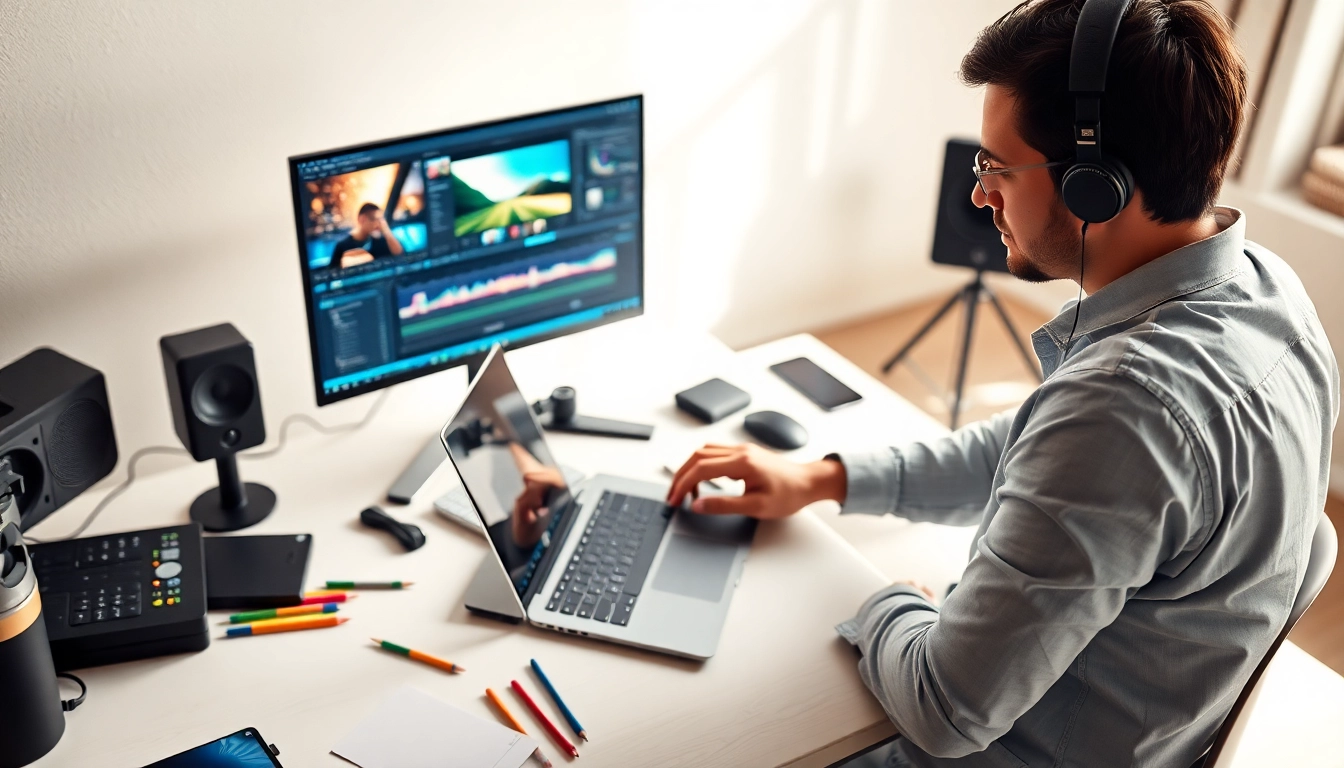
Understanding Professional Video Editors
In an age where visual storytelling has become an essential part of both entertainment and communication, professional video editors play a crucial role. These skilled individuals transform raw footage into polished narratives, engaging audiences and enhancing the overall message of a project. Understanding the multifaceted world of video editing professionals begins with a closer look at their defining skills and the specializations available within this field.
What Skills Define a Professional Video Editor?
The world of video editing requires a diverse skill set. At its core, a professional video editor must possess a strong understanding of both technical and creative elements involved in the editing process. Here are the key skills that define a successful editor:
- Technical Proficiency: Familiarity with various editing software such as Adobe Premiere Pro, Final Cut Pro, and DaVinci Resolve is fundamental. Editors must have a good grasp of video formats, resolutions, and rendering processes.
- Attention to Detail: Video editing is often considered a meticulous art. Small mistakes can have significant impacts on the final product; thus, editors must be detail-oriented to catch any flaws.
- Storytelling Ability: Beyond cutting and splicing, editors should understand how to build a narrative that resonates with viewers. This includes pacing, emotional engagement, and the effective use of transitions.
- Communication Skills: Collaborating with directors, producers, and other team members is a daily necessity, making effective communication essential to align on the project’s vision.
- Problem-Solving Abilities: Editors often encounter technical issues or creative obstacles that require quick thinking and adaptability. A good editor is someone who can find solutions rapidly without compromising quality.
Common Specializations Among Video Editors
The field of video editing is broad and encompasses various specializations. Understanding these areas can help businesses or individuals seeking editing services to match their needs with the right editor. Common specializations include:
- Corporate Video Editing: Focuses on creating promotional and training videos for businesses, often with a clear, professional tone.
- Film Editing: Involves working on feature films and short films, requiring a deep understanding of cinematic storytelling and collaborative intuition with directors.
- Sports Editing: Specializes in editing sports footage, which may involve highlight reels, commentary, and fast-paced sequences that capture the energy of sporting events.
- Social Media Content: Tailored to produce engaging clips intended for platforms like Instagram, TikTok, and YouTube, requiring knowledge of trends and viewer engagement tactics.
- Documentary Editing: Involves telling real stories through video, often requiring a sensitive approach to content and a firm understanding of narrative structures.
The Importance of Creativity in Video Editing
Creativity is the lifeblood of effective video editing. An editor’s ability to envision the final product from the raw footage is vital in shaping both the content and viewer experience. Creative problem-solving allows editors to:
- Enhance Visual Appeal: Through thoughtful use of visual effects, pacing, and transitions, editors can significantly elevate the aesthetics of a project.
- Craft Unique Narratives: Every project has a story to tell, and a creative editor can differentiate a standard video from something memorable by weaving together narrative elements seamlessly.
- Engage Audiences: It’s crucial to capture and maintain the audience’s attention. Creative decisions can be the difference between a viewer watching till the end or clicking away.
How to Hire Professional Video Editors
Finding the right video editor for your project can be a daunting task, especially given the myriad of options available. To ensure you choose someone who aligns with your vision, follow this structured approach:
Identifying Your Project Needs
The first step in hiring a professional video editor is outlining your project requirements. Consider factors such as:
- Project Type: Identify whether you need corporate videos, promotional material, social media clips, or something else entirely.
- Budget: Establish a budget based on project scope. As per industry standards, video editing costs range significantly, commonly running from $10 to $150 per hour depending on the editor’s experience and the complexity of the work.
- Timeline: Determine your project timeline. Knowing whether you have a tight deadline or a flexible schedule will help you find an editor who can meet your needs.
Evaluating Portfolios of Video Editors
Once you’ve narrowed down potential editors, it’s crucial to evaluate their portfolios. Look for the following:
- Style Consistency: Ensure their editing style aligns with your vision. Watch various projects to judge their versatility.
- Quality of Work: Assess the technical quality—smooth transitions, clear audio, and overall coherence of the finished product.
- Relevant Experience: Check if they’ve worked on similar projects and how their contributions affected the final outcome.
Understanding Pricing Structures and Rates
Video editing rates vary greatly, so it’s crucial to understand how different pricing structures work. Here’s what to consider:
- Hourly Rate: Many freelance video editors charge by the hour. Rates can range from $15 for entry-level work to over $150 for experienced editors.
- Project-Based Fees: Some editors offer flat fees for specific projects. This can be beneficial for budget planning, as long as both parties clearly define the scope of work.
- Additional Costs: Understand if there are extra fees for services such as color grading, motion graphics, or additional revisions.
Tools and Software Used by Professional Video Editors
The technology landscape in video editing is continuously evolving, introducing new tools that enhance workflow and creativity. Here’s a breakdown of popular software and equipment that professional video editors rely on:
Top Software Choices for Video Editing
Professional video editors typically use a variety of advanced software packages tailored to different types of projects. Some leading applications include:
- Adobe Premiere Pro: A powerful, industry-standard editing software that provides advanced editing capabilities, detailed controls, and robust integration with other Adobe Creative Cloud products.
- Final Cut Pro: Preferred by many Mac users, this software offers magnetic timeline features, built-in color grading, and advanced media organization tools.
- DaVinci Resolve: Renowned for its superior color grading capabilities, this free software is now a popular choice among professionals for both editing and post-production tasks.
- Avid Media Composer: A staple in the film and television industry, it provides a robust set of tools for handling complex editing tasks.
- Lightworks: An intuitive editing platform focused on professional-quality editing and effects, catering to various budget levels.
Editing Equipment and Best Practices
Alongside software, the right hardware is crucial for optimal editing performance. Key equipment includes:
- High-Performance Computers: Editors typically use powerful desktops or laptops with fast processors, ample RAM, and high-resolution displays to handle large video files efficiently.
- External Hard Drives: Reliable and fast storage solutions are necessary to manage the extensive file sizes associated with video editing.
- Professional Monitors: Color-accurate monitors are essential to ensure what’s seen on-screen translates accurately across different devices.
- Audio Equipment: High-quality headphones or speakers enhance the editing of soundtracks and dialogue, ensuring clarity and fidelity.
Benefits of Cloud-Based Editing Tools
As technology advances, cloud-based editing tools are becoming more prevalent, offering numerous benefits:
- Collaboration: Cloud tools allow multiple users to collaborate on a project in real time, facilitating rapid feedback and adjustments.
- Storage and Accessibility: Editors can access files from anywhere, eliminating concerns about physical storage limitations.
- Updated Features: These platforms often continuously update their tools, granting users access to the latest functionalities and improvements without needing to purchase new software.
Best Practices for Collaboration with Video Editors
Collaboration is essential in the video editing process. The following best practices can enhance teamwork and lead to better project outcomes:
Effective Communication Strategies
Establishing solid lines of communication between you and your editor can significantly impact the project’s success:
- Set Clear Objectives: Communicate the project’s overall goals, target audience, and key messages from the outset.
- Use Visual References: Provide examples of videos you admire or specific styles you want to emulate. This gives clarity to your vision.
- Regular Check-Ins: Schedule consistent meetings or updates to discuss progress, revisions, and any necessary adjustments.
How to Set Clear Expectations
Being articulate about your expectations can help prevent misunderstandings and ensure all parties are aligned:
- Define the Scope: Clearly outline the project deliverables, timelines, and review process to avoid scope creep.
- Discuss Revisions: Establish how many rounds of revisions are included in the initial agreement to set realistic expectations.
- Feedback Process: Outline how feedback will be provided, whether through written notes, video calls, or in-software comments.
Feedback Loops That Enhance Outcomes
Creating a responsive feedback loop can help refine the editing process:
- Timely Feedback: Provide constructive feedback as soon as possible without delaying the project.
- Be Specific: Instead of vague comments like “make it better,” offer precise suggestions, such as “can we adjust the pacing in the second act?”
- Embrace Flexibility: Be open to your editor’s creative solutions and suggestions, which can prove beneficial as they have expertise in audience engagement.
The Future of Professional Video Editing
The landscape of video editing is rapidly evolving thanks to technological advancements and changing viewer preferences. Keeping abreast of these developments can help both editors and clients ensure continued success.
Emerging Trends in Video Editing Technology
Several exciting trends are shaping the future of the industry:
- Artificial Intelligence (AI): Software incorporating AI technology can automate mundane tasks, such as sorting footage, color correction, and generating subtitles, allowing editors to focus on creative tasks.
- Enhanced VR and AR Integration: The rise of virtual and augmented reality is creating new opportunities for editing projects that engage audiences in immersive experiences.
- Mobile Editing: With the rise of mobile apps, editing on-the-go is now a reality, offering users the flexibility to create content wherever they are.
Impact of AI on Video Editing Professionals
While AI is revolutionizing the editing process, it also raises questions about the future role of human editors:
- Automation of Routine Tasks: AI can take over repetitive editing tasks, freeing professional editors to engage in more creative decision-making.
- Content Creation: AI tools are beginning to assist in generating ideas, suggesting edits, and providing analytics to enhance future projects.
- Adaptation Required: Editors must continuously evolve their skill sets to remain relevant in a changing environment influenced by technology.
Preparing for Changes in the Industry
As the industry evolves, so too must the professionals working within it. To stay competitive:
- Embrace Lifelong Learning: Regularly update skills by enrolling in workshops, attending conferences, or taking online courses about emerging software and techniques.
- Network with Peers: Join industry networks and forums to share knowledge, seek feedback, and stay informed about industry trends.
- Build a Strong Online Presence: Showcase your portfolio on various platforms to attract potential clients and opportunities.