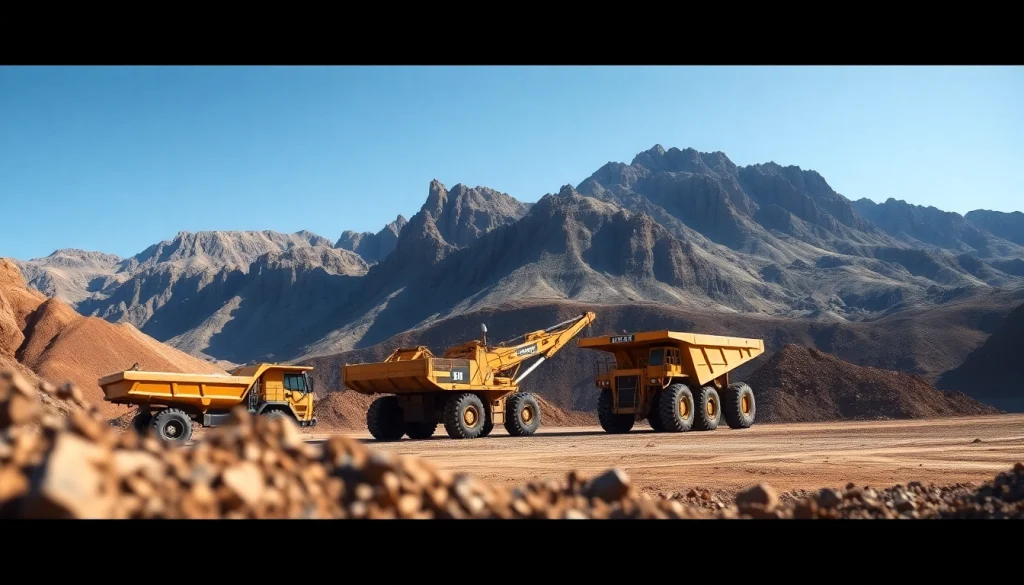
Introduction to Mining
Mining is a crucial industry that supports various sectors by extracting valuable geological resources from the Earth. The importance of mining cannot be overstated, as it provides essential materials that drive economic growth and development. From construction materials to precious metals used in technology, mining fuels many facets of modern life. In this comprehensive article, we will explore the various aspects of mining, including its definition, historical context, current trends, types of mining methods, equipment, environmental impacts, and future prospects. For those interested in a deeper dive into the complexities and technological innovations in mining, this guide is designed to serve as both an informative resource and a practical reference.
Definition and Importance of Mining
Mining refers to the process of extracting useful minerals and geological materials from the earth. These materials can include metals like gold, silver, and copper, as well as industrial minerals such as limestone and sand. The extraction processes vary based on the material being mined and its geographical location, which can significantly impact the environment and local communities.
The significance of mining extends far beyond the immediate extraction of raw materials. It plays a pivotal role in global economies, providing jobs, generating revenues, and supporting numerous industries such as construction, technology, and energy. The evolution of mining has made it an indispensable backbone for various infrastructures, from roads to power plants, thereby enhancing both social and economic development.
Historical Overview of Mining Practices
The history of mining dates back thousands of years, with archaeological evidence suggesting that early humans mined for flint and other materials as early as 300,000 years ago. Ancient civilizations, including the Egyptians and the Romans, extensively practiced mining, primarily for gold, silver, and copper.
The Industrial Revolution marked a significant turning point, spurring advancements in mining techniques and equipment. In the 19th and early 20th centuries, the development of steam-powered machines, and later electricity, revolutionized extraction processes. Today, modern mining utilizes sophisticated technology and machinery, advanced geological understanding, and improved safety protocols, allowing for more efficient and sustainable practices.
Current Trends in the Mining Industry
In recent years, the mining industry has witnessed significant changes driven by advancements in technology, increased demand for sustainable practices, and changing regulatory environments. Some current trends include:
- Automation and Robotics: Increasingly, mining companies are adopting automation to improve efficiency and safety. Automated equipment can operate in dangerous conditions, reducing human risk.
- Digital Mining Solutions: The use of data analytics and machine learning has enabled mining operations to optimize processes and increase productivity.
- Sustainability Initiatives: There’s a growing focus on reducing environmental impact and implementing sustainable mining practices. Companies are striving for more responsible resource extraction and waste management.
- Global Supply Chain Challenges: The COVID-19 pandemic has exposed vulnerabilities in supply chains, pushing mining companies to rethink logistics and sourcing strategies.
Types of Mining Methods
Surface Mining Techniques
Surface mining is the most common method used to extract minerals that are near the Earth’s surface. This technique involves removing overburden—the soil and rock that sits above the mineral deposit—making it a more accessible and less costly option for extraction. Common surface mining methods include:
- Open-Pit Mining: This method creates a large, terraced pit to extract minerals such as copper, gold, and coal. Equipment like shovels and trucks are used to transport the material.
- Strip Mining: Typically used for coal and some minerals, strip mining involves the removal of horizontal layers of soil and rock to reach the mineral seams.
- Mountain Top Removal: In this process, the peaks of mountains are blasted away to access the underlying coal, significantly transforming the landscape.
Underground Mining Overview
Underground mining is employed for resources that are too deep to extract using surface methods. This technique requires sophisticated planning and safety measures to ensure the safety of workers within the mine. Common underground mining methods include:
- Room and Pillar Mining: This approach involves excavating rooms and leaving pillars of material to support the mine’s structure. It is widely utilized for coal mines.
- Cut and Fill Mining: This technique involves excavating ore, filling the void with waste material, and then continuing to mine the surrounding resources.
- Block Caving: A bulk mining method that involves undermining an ore body and allowing it to collapse under its weight, aiding in extraction.
Placer Mining Explained
Placer mining refers to the extraction of valuable minerals from stream beds or sedimentary deposits, often using water to separate heavier materials from lighter ones. This technique is most commonly associated with gold mining, where miners utilize methods such as:
- Panning: A simple method using a pan to swirl water and separate gold from other materials.
- Sluicing: This involves directing water through a sluice box to trap heavier materials, like gold, while lighter materials wash away.
- Dredging: Large machines called dredges are used to underwater areas to scoop up and separate material.
Mining Equipment and Technology
Essential Machinery in Mining Operations
Mining operations rely heavily on various machinery and equipment to ensure efficiency and safety. Essential machinery includes:
- Excavators: Large equipment used for digging and removing overburden or ore.
- Loaders: Used to load mined materials onto conveyors or trucks.
- Drills: Employed to create boreholes for explosives in underground or surface mining operations.
- Haul Trucks: Heavy-duty trucks designed specifically to transport mined materials over long distances.
Innovations in Mining Technology
The mining industry is continually evolving, benefiting from technological advancements. Innovations include:
- Automation: Automated drills and vehicles minimize human risk and improve operational efficiency.
- Remote Sensing: Technologies allow for the evaluation of mining sites from above, helping to optimize the extraction process and improve planning.
- 3D Modeling Software: Enhanced planning and design capabilities promote more efficient mining operations and minimize waste.
Safety Equipment and Procedures
Safety is paramount in mining operations due to the hazardous nature of the work. Safety equipment includes:
- Personal Protective Equipment (PPE): Essential gear includes hard hats, gloves, goggles, and hearing protection to safeguard workers from injuries.
- Gas Detection Systems: Used to monitor air quality and detect hazardous gases in underground mining environments.
- Emergency Response Plans: Comprehensive procedures ensure preparedness for accidents or natural disasters.
Environmental Impact of Mining
Positive and Negative Effects on Ecosystems
The environmental impact of mining is a crucial concern as it can result in both positive and negative outcomes. While mining provides necessary materials, it can also lead to significant degradation of land and disruption of local ecosystems. Some impacts include:
- Ecosystem Disruption: Mining activities can disturb local flora and fauna, leading to habitat loss.
- Water Pollution: Runoff from mining sites can contaminate groundwater and surface water sources, posing risks to wildlife and human populations.
- Soil Degradation: The removal of vegetation and topsoil can lead to erosion and decreased soil quality.
- Rehabilitation Efforts: Responsible mining practices aim to restore ecosystems by replanting trees and rehabilitating mining sites.
Regulatory Framework for Sustainable Mining
Governments worldwide are developing regulations to promote sustainable mining practices. These regulations often focus on minimizing environmental impacts, protecting worker safety, and ensuring responsible resource management. Frameworks may include environmental assessments, land restoration mandates, and emission reduction targets.
Case Studies of Rehabilitation Efforts
Successful rehabilitation efforts can demonstrate the positive impact of responsible practices. Notable examples include:
- Project to Restore Former Mines: In various countries, abandoned mines have been rehabilitated through reforestation and soil restoration initiatives, enhancing ecosystems and biodiversity.
- Community Engagement: Involving local communities in rehabilitation efforts ensures sustainable practices while also providing economic benefits through tourism and agriculture.
Future of the Mining Industry
Emerging Markets and Opportunities
As the demand for minerals continues to rise, particularly with the shift toward renewable energy and electric vehicles, new markets are emerging. Lithium, cobalt, and rare earth elements have gained significant attention due to their essential roles in battery production and high-tech applications. Mining companies are exploring untapped resources in remote areas, presenting opportunities for investment and innovation.
Challenges Facing the Mining Sector
The mining industry is not without challenges. Key issues include:
- Environmental Compliance: Adhering to increasingly stringent regulations for sustainability poses operational challenges.
- Economic Volatility: Fluctuations in commodity prices can significantly impact profitability and investment decisions.
- Workforce Skills Gap: There is a growing need for skilled workers adept at operating advanced technology and managing safety protocols.
Role of Mining in the Global Economy
Mining remains a cornerstone of the global economy, contributing to GDP and creating millions of jobs worldwide. Its products are integral to various industries, and as the global economy transitions to more sustainable energy sources, mining will play a vital role in sourcing the minerals and materials necessary for development and innovation.
Frequently Asked Questions
What minerals are commonly mined?
Commonly mined minerals include gold, silver, copper, coal, and various industrial minerals like limestone and gypsum. Each mineral has unique extraction methods and uses.
How does mining affect the environment?
Mining can result in habitat destruction, soil degradation, and water pollution. Its impact varies based on the practices employed but can lead to long-term ecological changes.
What are the main safety risks in mining?
Safety risks include cave-ins, equipment accidents, exposure to harmful gases, and electrical hazards. Proper training and safety equipment are vital in mitigating these risks.
What is sustainable mining?
Sustainable mining involves practices that minimize environmental impact and promote community well-being while efficiently extracting natural resources. It emphasizes rehabilitation and regulatory compliance.
What career opportunities exist in mining?
Career opportunities in mining range from engineering and geology to environmental science and safety management. The industry offers roles that cater to various skill levels and qualifications.