
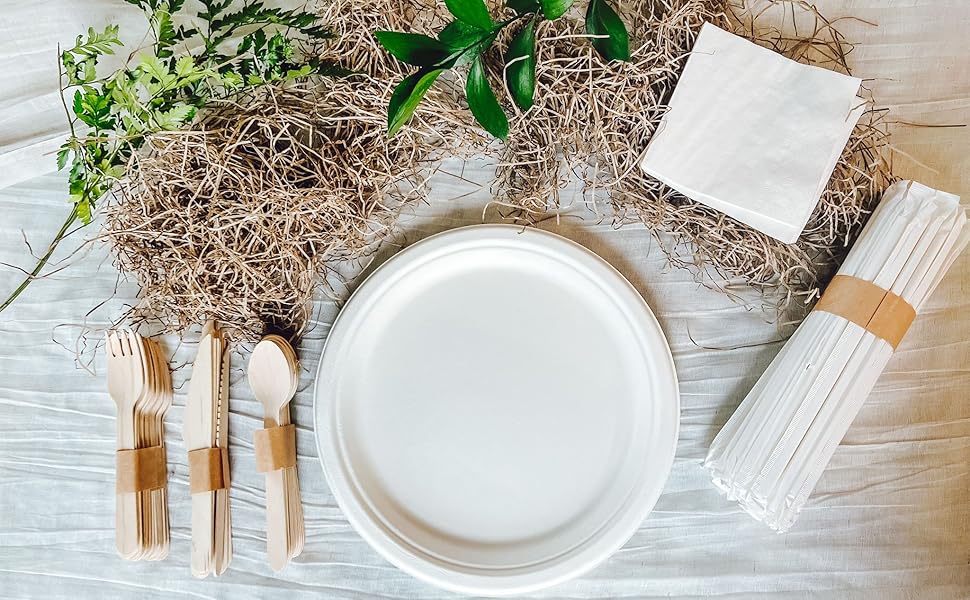
Understanding Compostable Paper Plates
What are Compostable Paper Plates?
Compostable paper plates are eco-friendly alternatives to traditional disposable plates. Made from renewable sources such as sugarcane, bamboo, or recycled paper, these plates are designed to break down naturally in composting environments. Unlike their plastic counterparts, which can take hundreds of years to decompose, compostable paper plates offer a sustainable option for dining and entertaining. With increasing awareness of environmental issues, many people are turning to compostable paper plates as a way to maintain convenience while minimizing their ecological footprint.
Materials Used in Compostable Paper Plates
Compostable paper plates are typically crafted from a variety of materials, the most common being:
- Sugarcane Fiber: This material is derived from the waste of sugar production and is praised for its strength and durability.
- Bamboo: A fast-growing grass, bamboo is both lightweight and sturdy, making it ideal for food service items.
- Bagasse: The fibrous residue left after extracting juice from sugarcane, bagasse is biodegradable and compostable.
- Recycled Paper: Plates made from recycled paper help reduce waste and promote sustainability.
Benefits of Using Compostable Paper Plates
The benefits of using compostable paper plates extend beyond mere convenience. Here are several advantages:
- Environmentally Friendly: They reduce plastic waste and can be composted, returning nutrients to the soil.
- Sustainable Materials: Sourcing from renewable resources minimizes environmental impact compared to traditional plastics.
- Safe for Food: Many compostable options are free of harmful chemicals and plastics that can leach into food.
- Convenient Disposal: They can be discarded with organic waste, simplifying cleanup after events.
How to Choose the Right Compostable Paper Plates
Consider the Size and Shape
When selecting compostable paper plates, it’s crucial to consider the size and shape based on your event or meal type. Plates come in various sizes, from small appetizer plates to large dinner plates. Shapes—such as round, oval, or square—can also impact presentation. Aim for the size that will best accommodate the type of food you plan to serve.
Evaluate Durability and Functionality
The durability of compostable plates is significant, especially for hot or heavy foods. Ensure that the plates you choose can support the weight and temperature of your dishes. Materials such as sugarcane or bamboo offer sturdiness, while others may be more suitable for light snacks. Test the plates with a sample of your intended food before making a bulk purchase.
Check for Certifications and Standards
Look for certifications that indicate the plates meet specific compostability standards, such as those set by the Biodegradable Products Institute (BPI) or ASTM D6400. These certifications ensure that the plates will break down in a commercial composting facility within a certain timeframe, further assuring their eco-friendly status.
The Impact of Compostable Paper Plates on the Environment
Waste Reduction and Composting Benefits
Using compostable paper plates contributes significantly to waste reduction. When disposed of properly in composting facilities, they can decompose within a few months, unlike traditional plastic plates. This rapid decomposition contributes to reducing landfill waste and encourages nutrient cycling, benefiting soil health.
Comparison with Traditional Disposable Plates
In comparison with traditional disposable plates made from plastic or styrofoam, compostable paper plates present a much lower environmental impact. While plastic plates can take centuries to break down, compostable options naturally decompose, releasing nutrients back into the ground. This process not only mitigates pollution but also fosters healthy ecosystems.
Sustainable Practices in Production
The production of compostable paper plates often incorporates sustainable practices. For example, many manufacturers source raw materials from responsibly managed forests or agricultural waste. Additionally, processes focused on reducing energy consumption and minimizing water usage contribute to the overall sustainability of these products.
Best Practices for Using Compostable Paper Plates
Ideal Occasions for Compostable Paper Plates
Compostable paper plates are versatile and suitable for various occasions. Consider using them for:
- Outdoor picnics and barbecues
- Catering events where sustainability is a priority
- Food festivals and farmers’ markets
- Birthday parties and family gatherings
Proper Disposal Methods
To maximize the benefits of compostable paper plates, ensure proper disposal. Place them in organic waste bins, as long as your local composting facility accepts them. Avoid throwing them into regular trash, as this negates their environmental advantages. Verify local regulations regarding compostable materials for the most effective disposal practices.
Pairing with Eco-Friendly Utensils
Enhance your eco-friendly dining experience by pairing compostable paper plates with utensils made from biodegradable materials like bamboo, wood, or cornstarch. This complete setup minimizes plastic usage and solidifies your commitment to sustainability, making any occasion greener and more responsible.
Frequently Asked Questions about Compostable Paper Plates
Are compostable paper plates really compostable?
Yes, most compostable paper plates break down effectively in composting environments, returning nutrients to the soil, provided they are not lined with plastic.
Can I use compostable paper plates for hot foods?
Compostable paper plates can withstand hot foods, especially those made from sugarcane or bamboo, ensuring safe serving without melting or warping.
How do I dispose of compostable paper plates?
Dispose of compostable paper plates in organic waste bins that your local composting facility accepts. Check local guidelines for best practices.
Are there any certifications for compostable paper plates?
Look for certifications from the Biodegradable Products Institute (BPI) or ASTM D6400, which indicate a product meets specific compostability standards.
What is the difference between compostable and biodegradable plates?
Compostable plates break down into nutrient-rich compost in a specific time frame under composting conditions, while biodegradable plates degrade more slowly in the environment without guaranteed composting benefits.