
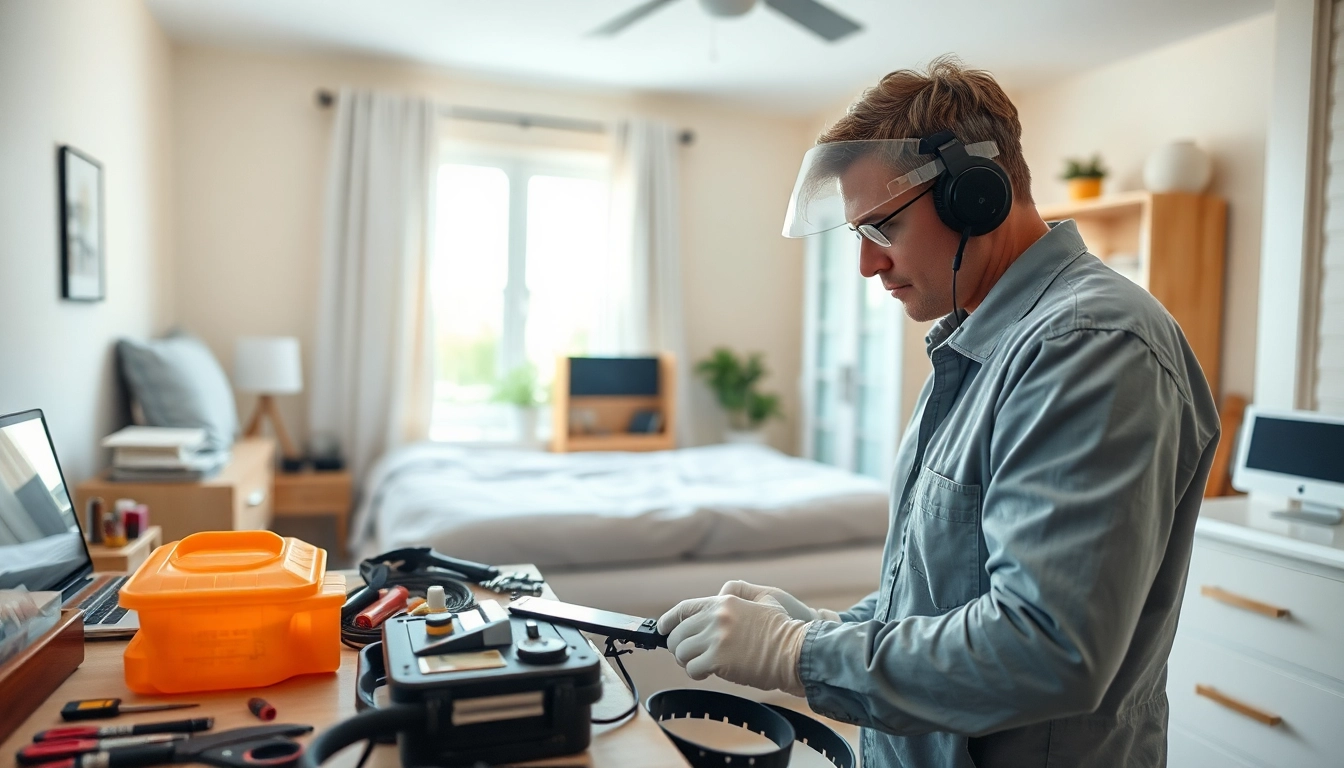
Understanding Bedbug Behavior and Identification
Bedbugs are resilient pests that have plagued humanity for centuries. These small, blood-sucking insects can turn a peaceful night’s sleep into a nightmare. Proper identification and understanding of their behavior are crucial steps in combating their spread. Many individuals struggle with recognizing bedbugs until it’s too late, leading to widespread infestations. Gaining knowledge of their signs, lifestyle, and preferred environments equips homeowners with the necessary tools to tackle and prevent these pesky invaders effectively. For additional information on effective pest management approaches, you can visit https://affordablebedbugexterminators.com.
Recognizing Bedbug Signs
Identifying bedbugs early is essential in managing an infestation effectively. Look for the following signs:
- Excrement Marks: Tiny dark spots on sheets, mattresses, or walls often indicate bedbug presence.
- Blood Stains: Small red spots on your bedding can be a sign of bedbug bites, occurring when the bugs are crushed after feeding.
- Live Bedbugs: Adult bedbugs are brown, flat, and oval, measuring about 0.25 inches. They can be found in various areas, including seams of mattresses and behind headboards.
- Molted Skins: As they grow, bedbugs shed their exoskeletons, leaving behind translucent shells that are roughly the same size as adult bugs.
- Bedbug Eggs: Tiny, white, and about the size of a pinhead, bedbug eggs can often be found in crevices where bedbugs reside.
Understanding these signs allows you to act swiftly, preventing further infestation.
Common Habitats of Bedbugs
Bedbugs often thrive in places where humans sleep or rest. Common habitats include:
- Bedrooms: Mattresses, box springs, bed frames, and headboards are prime locations for bedbugs.
- Furniture: Sofas, chairs, and other furniture pieces can harbor bedbugs, especially in upholstery seams.
- Clothing: Piles of clothes on the floor or in closets can attract bedbugs looking for hosts.
- Travel Luggage: Bedbugs often hitch rides in luggage, so it’s vital to inspect any bags when returning home from trips.
By recognizing these habitats, homeowners can implement preventive measures to shield their spaces from infestations.
The Life Cycle of Bedbugs
Understanding the life cycle of bedbugs helps in determining the effectiveness of various pest control methods. Their life cycle consists of the following stages:
- Egg: Bedbug eggs are tiny and can hatch within a week if conditions are right, leading to further infestations.
- Nymph: Newly hatched bedbugs, or nymphs, undergo five molts before reaching adulthood. They require a blood meal at each stage to develop.
- Adult: Once fully grown, adult bedbugs can live for several months without feeding, further complicating eradication efforts.
The entire life cycle can occur within a month under optimal conditions, emphasizing the importance of early detection and intervention.
Effective Strategies for Bedbug Prevention
Preventing bedbug infestations requires vigilance and proactive measures. Integrating effective strategies into your routine can save significant trouble and cost in the long run.
Preventive Measures for Homeowners
Homeowners can take several preventive measures to protect their living spaces from bedbugs, including:
- Encasements: Use protective mattress and pillow encasements that prevent bedbugs from penetrating, effectively cutting off their hiding spots.
- Decluttering: Reducing clutter eliminates potential hiding places for bedbugs, making it easier to spot any early signs of infestation.
- Regular Cleaning: Vacuuming regularly, particularly around the bed frame, mattress seams, and upholstered furniture, can help control any existing populations.
- Seal Cracks and Crevices: Inspect and seal any cracks and crevices in walls and furniture; this limits the ability of bedbugs to enter living spaces.
By implementing these preventive tactics, you can significantly decrease the risk of an infestation.
Travel Tips to Avoid Bedbugs
Travelers often unknowingly facilitate the spread of bedbugs. Here are some tips to prevent bringing them home:
- Inspect Accommodations: Before settling in, check hotel rooms for signs of bedbugs, including in the seams of mattresses and under furniture.
- Luggage Strategy: Keep your luggage on hard surfaces rather than on beds or carpets to minimize potential contact with bedbugs.
- Wash Clothing Immediately: When returning home, wash all clothes in hot water to kill any bedbugs that may have traveled with you.
Exercising caution during travel can help maintain a bedbug-free home.
Regular Inspections and Maintenance
Routine inspections are a fundamental part of prevention strategies. Here’s how to approach regular checks:
- Frequency: Conduct inspections every few months, particularly in areas like bedrooms and living rooms.
- Thoroughness: Examine seams of mattresses, furniture, and hidden cracks in the room where bedbugs are known to hide.
- Document Findings: Keep a record of any signs of bedbugs to monitor patterns or recurrences effectively.
Staying proactive with inspections will ensure that any potential infestations are caught early and managed promptly.
Professional Bedbug Extermination Solutions
For those facing a severe infestation, seeking professional help is often the most effective solution. Understanding the available extermination methods can guide you in selecting the right approach.
Choosing the Right Extermination Method
There are several methods of bedbug extermination, including:
- Chemical Treatments: Involving pesticides specifically designed to eradicate bedbugs, chemical treatments can be effective but require careful application to be safe for humans and pets.
- Heat Treatment: This method involves raising the temperature of infested areas to levels that are lethal to bedbugs, from eggs to adults.
- Steam Treatment: Applying steam directly to areas where bedbugs are suspected can kill them on contact while being an environmentally friendly option.
Professionals are equipped to assess your situation and recommend the most appropriate treatment based on the severity of the infestation.
Benefits of Hiring Experts
Hiring professional exterminators comes with numerous benefits, including:
- Expert Knowledge: Trained professionals understand bedbug behavior and can recommend the best strategies for eradication.
- Advanced Tools: Exterminators have access to specialized equipment and products that are more effective than over-the-counter options.
- Time Efficiency: Professionals can save you time and stress by effectively managing the extermination process.
Investing in professional pest control can thus provide peace of mind and eliminate bedbug problems efficiently.
What to Expect During the Extermination Process
Understanding the extermination process can help homeowners prepare. Here’s what typically occurs:
- Initial Assessment: An inspection is conducted to confirm the presence of bedbugs and assess the extent of the infestation.
- Preparation Guidelines: Homeowners often receive preparation instructions, such as clearing areas and removing bedding.
- Extermination: The chosen treatment method is applied, with varying levels of disruption depending on the method used.
- Follow-Up Inspection: A follow-up is usually conducted to ensure the effectiveness of the treatment.
Gaining insight into the extermination process can alleviate concerns and allow for smoother implementation.
Aftercare: Maintaining a Bedbug-Free Home
Once bedbugs have been eradicated, maintaining a bedbug-free environment is crucial. Implementing aftercare strategies ensures that pests do not return.
Post-Extermination Best Practices
Following extermination, homeowners should adhere to the following best practices:
- Continue Inspections: Regularly check for signs of bedbugs in the weeks and months following extermination to catch any re-infestations early.
- Maintain Hygiene: Keep living areas clean and organized to eliminate potential hiding spots.
- Monitor Travel Practices: Continue to be vigilant when traveling, as exposure to new infestations remains a risk.
Implementing these practices reinforces a safe and clean living environment.
Long-Term Monitoring Strategies
Implementing long-term monitoring can provide ongoing protection. Consider these strategies:
- Bedbug Monitors: Specialized monitors can be placed under beds and furniture to alert homeowners to any bedbug activity.
- Scheduled Inspections: Join a pest-management plan with regular inspections to ensure ongoing safety.
- Education: Stay informed about the latest trends in bedbug behavior and treatments to adjust your strategies accordingly.
Long-term vigilance is essential to secure a bedbug-free home.
Reorganizing Your Home Safely
Reorganizing your home post-extermination can help reduce hiding spots for bedbugs. Here’s how to do so safely:
- Store Items in Plastic Containers: Use sealed plastic containers for storage to deter bedbugs from hiding in boxes or bags.
- Proper Furniture Arrangement: Keep beds, couches, and other furniture away from walls to reduce hiding spots.
- Strategic Placement of Bedding: Store bedding in airtight bags when not in use to protect against bedbug infestations.
These organizational strategies foster a less hospitable environment for bedbugs.
Resources and Tools for Homeowners
Homeowners can access various resources and tools that provide support in combating bedbug infestations. Here are several helpful options:
DIY Solutions for Minor Infestations
In cases of minor infestations, consider the following DIY solutions:
- Vacuuming: Regular vacuuming of affected areas can help reduce pest populations.
- Steam Cleaning: High-temperature steam cleaning can effectively kill bedbugs in furniture and fabrics.
- Homemade Sprays: Essential oils such as tea tree and lavender can deter bedbugs when used appropriately.
DIY solutions can be valuable in minor cases but may not be sufficient for larger infestations.
Recommended Tools and Products
Various products can assist in pest management, including:
- Bedbug Interceptors: These traps can be placed under furniture legs to monitor for bedbug activity.
- Insecticides: Choose products specifically formulated for bedbugs, ensuring they are safe for use in homes.
- Protective Covers: Invest in mattress and pillow encasements designed to prevent infestations.
Utilizing the right tools can enhance your success in maintaining a bedbug-free space.
Finding Reliable Pest Control Services
If professional assistance is necessary, consider these recommendations for finding trustworthy pest control:
- Research: Look for companies with positive reviews and clear success stories of previous infestations.
- Ask for Certifications: Ensure that the company is licensed and follows safety protocols.
- Request Estimates: Obtain and compare estimates from multiple services to make an informed decision.
By taking the time to find reputable pest control services, you can nip bedbug issues in the bud and regain your peace of mind.