Understanding Hydraulic System Maintenance
What Is Hydraulic System Maintenance?
Hydraulic system maintenance refers to the systematic procedures aimed at ensuring the efficient and safe operation of hydraulic systems. These practices encompass regular inspections, fluid changes, filter replacements, and the monitoring of the system’s components. Effective hydraulic system maintenance is vital for extending the lifespan of machinery and preventing unexpected failures. For industries reliant on hydraulic systems, a proactive approach, such as hydraulic system maintenance, can save substantial costs and downtime.
Importance of Regular Maintenance
Regular maintenance of hydraulic systems is crucial, as these systems operate under high pressure and can experience wear and tear over time. Neglecting maintenance can lead to catastrophic failures, unsafe working conditions, and decreased efficiency. Moreover, hydraulic systems are integral to the smooth functioning of equipment in industries such as manufacturing, automotive, and construction. By ensuring that systems are regularly maintained, businesses can enhance operational reliability, optimize productivity, and ultimately extend the operational lifespan of their equipment.
Common Issues in Hydraulic Systems
Several issues can arise in hydraulic systems if maintenance protocols are ignored. Common problems include fluid leaks, contamination of hydraulic fluid, overheating, and wear on pumps, seals, and hoses. Each of these issues can lead to reduced system efficiency and increased repair costs. Identifying and addressing these problems early through regular hydraulic system maintenance can mitigate risks and enhance performance. For example, a small hydraulic leak may seem insignificant but can quickly escalate into a significant operational hazard if left unattended.
Key Components in Hydraulic Systems
Hydraulic Fluid: The Lifeblood of the System
The hydraulic fluid serves as the lifeblood of any hydraulic system. It transmits power from one component to another, lubricates moving parts, and dissipates heat. The quality of hydraulic fluid is paramount; contaminated or degraded fluid can drastically affect system performance and lead to failures. Regular fluid checks, including assessing viscosity and contamination levels, should be part of any maintenance routine. Proper hydraulic fluid maintenance not only ensures efficient power transmission but also reduces wear on system components.
Filters and Their Role in Maintenance
Filters play a crucial role in maintaining the integrity of hydraulic systems by removing contaminants from the hydraulic fluid. Contaminants can arise from external sources or from wear and tear within the system itself. Regular inspection and timely replacement of filters will prevent dirt and particulates from circulating in the hydraulic fluid. A clogged filter can lead to increased pressure and potentially catastrophic failures. Implementing a filter maintenance schedule is essential not just for performance but also for safety.
Pumps, Motors, and Cylinders Explained
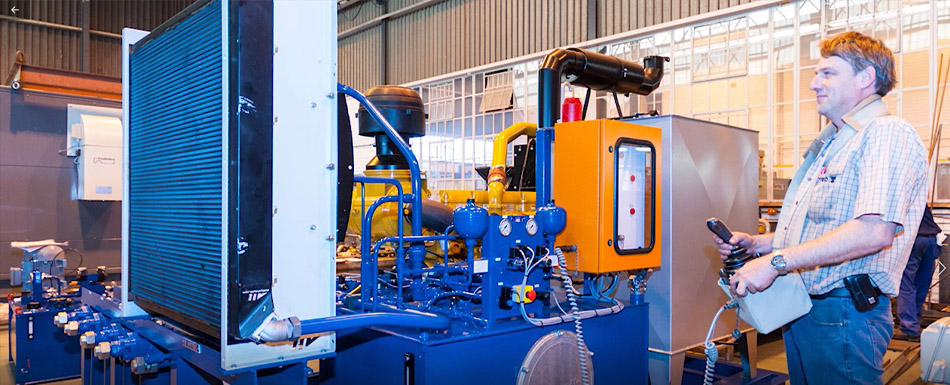
Pumps are responsible for generating the flow of hydraulic fluid, while motors convert hydraulic energy into mechanical power. Cylinders, in turn, transform this mechanical power back into linear motion to perform the work. Understanding the function and maintenance requirements of these components is fundamental to effective hydraulic system maintenance. Regular checks for leaks, wear, and functionality of pumps, motors, and cylinders can prevent failures that might otherwise lead to downtime and excessive repair costs.
Best Practices for Hydraulic System Maintenance
Scheduled Maintenance Checklist
Establishing a scheduled maintenance checklist is the foundation of an effective hydraulic maintenance program. This checklist should include fluid level checks, filter replacements, visual inspections for leaks, and assessments of pump and cylinder condition. It can also involve verifying that safety devices are functioning correctly. Customizing the checklist according to the specific system and operational demands ensures that all critical maintenance tasks are completed regularly and systematically.
Monitoring Fluid Levels and Quality
Regular monitoring of hydraulic fluid levels and quality is crucial. Low fluid levels can result in pump cavitation, leading to damage, while contaminated fluid can cause internal wear and system failure. Implementing routine testing for fluid viscosity and contamination levels will help ensure that the hydraulic system remains in optimal working condition. Any signs of cloudiness or unusual discoloration in the fluid should prompt immediate analysis and possible replacement.
Visual Inspections for Early Detection
Visual inspections are a critical aspect of hydraulic system maintenance and can reveal issues before they escalate into serious problems. Technicians should inspect hoses, seals, connections, and fittings for signs of wear, leaks, or corrosion. Performing these inspections on a regular basis provides the opportunity to catch potential failures early, enabling timely repairs and adjustments. A proactive approach to these inspections can significantly reduce the downtime and costs associated with major repairs.
Implementing Advanced Maintenance Techniques
Using Diagnostic Tools for Efficiency
Utilizing diagnostic tools is an advanced technique that can enhance hydraulic system maintenance efforts. Tools such as pressure gauges, flow meters, and thermal imaging cameras can provide data that is essential for evaluating the health of the system. By integrating technology into maintenance practices, operators can identify anomalies and optimize performance. The information gleaned from diagnostic tools can guide maintenance schedules and extend equipment life.
Condition-Based Monitoring Systems
Condition-based monitoring (CBM) is an innovative approach that involves real-time data collection to determine when maintenance should occur, based on the actual condition of the system rather than a predetermined schedule. By employing sensors and monitoring systems, operators can receive alerts about component wear or impending failures. This approach maximizes system uptime and reduces unnecessary maintenance interventions, leading to significant cost savings and improved reliability.
Training Staff for Effective Maintenance
Training staff in hydraulic system maintenance best practices is imperative for success. Employees should understand the system’s functionality, recognize signs of wear, and know how to use diagnostic tools. Comprehensive training programs can empower personnel to take ownership of maintenance tasks and boost their proficiency in identifying and addressing issues proactively. A well-trained workforce contributes significantly to the overall success of hydraulic maintenance strategies.
Measuring the Impact of Maintenance
Key Performance Indicators for Hydraulics
Establishing key performance indicators (KPIs) for hydraulic maintenance is critical to measure the impact of maintenance efforts. Common KPIs might include mean time to repair (MTTR), mean time between failures (MTBF), and overall equipment effectiveness (OEE). By analyzing these metrics, organizations can assess the effectiveness of their maintenance strategies and implement necessary adjustments to improve overall hydraulic system performance. Consistent tracking of KPIs aids in identifying trends and areas for improvement.
Analyzing Cost Savings from Effective Maintenance
Effective hydraulic system maintenance can lead to significant cost savings by reducing emergency repair expenses, minimizing downtime, and extending the lifespan of key components. Analyzing the costs versus savings associated with maintenance efforts provides a clear picture of the financial benefits. Organizations can perform cost-benefit analyses routinely to enhance their maintenance programs, ensuring they invest wisely in hydraulic system upkeep and confirm alignment with overall business objectives.
Case Studies of Successful Maintenance Programs
Examining case studies of organizations that have successfully implemented robust hydraulic maintenance programs can provide valuable insights into best practices. Many businesses have reported reductions in operational costs and improved system reliability by adopting a proactive maintenance strategy. Sharing these success stories widely can motivate other organizations to enhance their own hydraulic maintenance practices while learning which methods have proven most effective in various industrial contexts.
Frequently Asked Questions
What is the main purpose of hydraulic system maintenance?
The primary purpose is to ensure the efficient operation of hydraulic systems, preventing unexpected failures and extending equipment lifespan.
How often should hydraulic systems be maintained?
Maintenance frequency depends on usage and manufacturer recommendations, typically performed semi-annually or annually for routine checks.
What are signs that a hydraulic system needs immediate maintenance?
Signs include fluid leaks, unusual noises, erratic performance, and overheating, which can indicate underlying issues requiring prompt attention.
Can I maintain a hydraulic system myself?
Yes, basic maintenance tasks can be performed by knowledgeable staff, but major repairs should be handled by trained technicians to prevent safety hazards.
How does condition-based monitoring improve maintenance efforts?
Condition-based monitoring enhances maintenance by providing real-time data on system health, allowing for timely intervention and reducing unnecessary maintenance.