Understanding Electric Leaf Blowers
Electric leaf blowers have become increasingly popular among homeowners and professional landscapers alike. Their efficiency, ease of use, and eco-friendly appeal make them a compelling choice for maintaining outdoor spaces. Whether you are looking to clear leaves in the fall or debris after a storm, an electric leaf blower can help you accomplish the task quickly and with minimal effort. This article will delve into the intricacies of electric leaf blowers, highlighting their advantages, features, and tips for choosing the right model for your needs.
What is an Electric Leaf Blower?
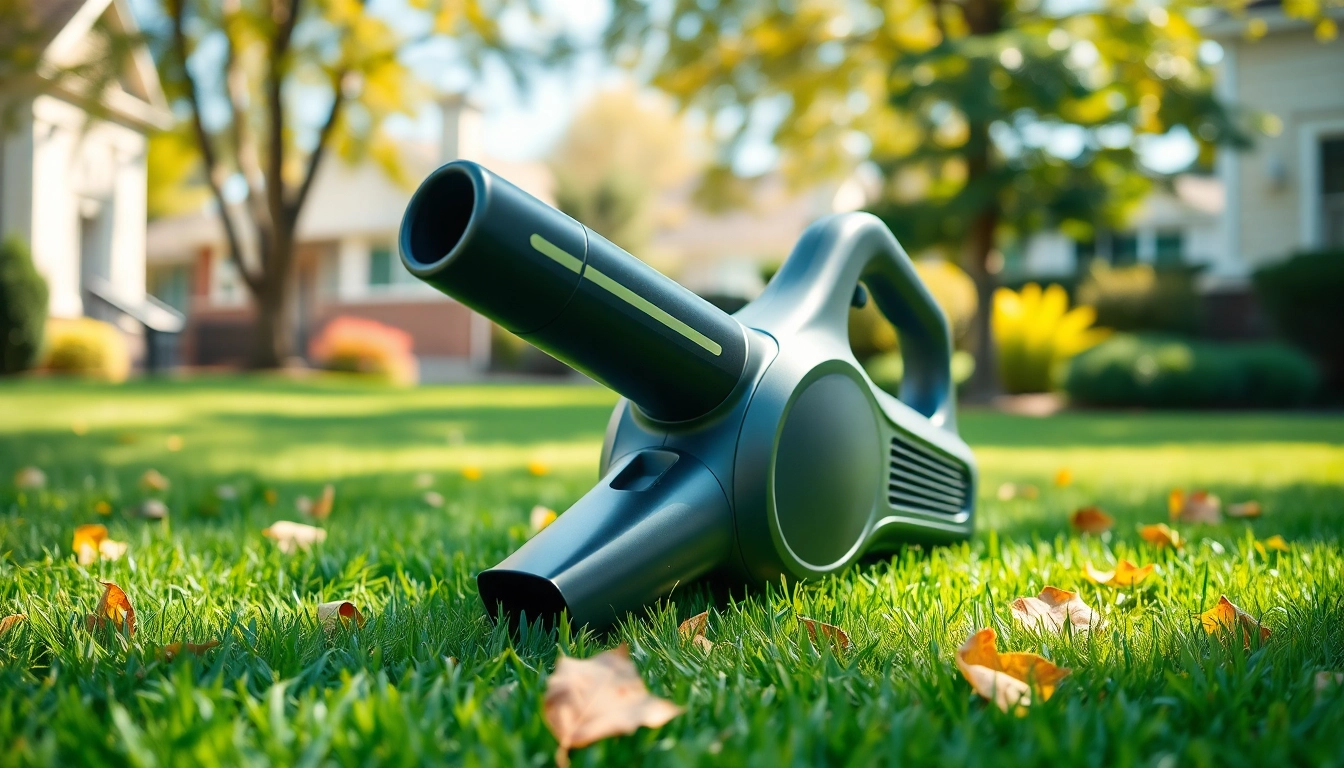
Electric leaf blowers are devices powered by electricity—either through a cord plugged into an outlet or a rechargeable battery. These machines are designed to move leaves and debris from yards, driveways, and patios using a powerful stream of air. Electric blowers come in different styles, including handheld and backpack models, each tailored to various user preferences and tasks.
Advantages of Using Electric Leaf Blowers
- Environmentally Friendly: Unlike gas-powered blowers, electric models produce zero emissions, making them a more sustainable choice for eco-conscious consumers.
- Low Noise Levels: Electric leaf blowers are significantly quieter than their gas counterparts, allowing for use in residential areas without disturbing neighbors.
- Ease of Use: They are typically lighter and easier to operate, making them suitable for users of all ages and physical abilities.
- Low Maintenance: With fewer moving parts, electric blowers require less maintenance compared to gas engines, saving time and money.
Common Misconceptions About Electric Leaf Blowers
Despite their growing popularity, several misconceptions persist about electric leaf blowers. One common belief is that they lack power and efficiency compared to gas-powered models. In reality, many modern electric blowers feature powerful motors capable of moving large volumes of air, often measured in cubic feet per minute (CFM). Additionally, the idea that electric blowers are only suitable for small yards is inaccurate, as many models are designed for both residential and commercial use.
Key Features of Electric Leaf Blowers
Power Ratings: CFM and MPH Explained
When selecting an electric leaf blower, two key performance metrics to consider are cubic feet per minute (CFM) and miles per hour (MPH). CFM refers to the volume of air the blower can move in one minute, while MPH indicates the speed at which the air is expelled. A higher CFM is ideal for moving heavier debris, such as wet leaves, while a higher MPH can be beneficial for clearing dry leaves from hard surfaces. It’s essential to balance both metrics based on your specific needs.
Battery Life and Runtime Considerations
For cordless electric leaf blowers, battery life is a critical feature. Most models run between 20 to 60 minutes on a single charge, depending on usage and battery capacity. High-capacity batteries can provide longer runtimes but may add weight to the blower. When considering battery-powered options, look for models with battery-swap capabilities for extended use without downtime.
Noise Levels and Environmental Impact
Noise pollution is a significant concern for many homeowners, particularly in densely populated areas. Electric leaf blowers operate at lower decibel levels compared to gas models, emitting about 60-70 dB, which is comparable to normal conversation. This reduced noise level makes electric blowers a favorable option for those living in neighborhoods where sound ordinances may apply.
Choosing the Right Electric Leaf Blower
Comparing Corded vs. Cordless Models
When deciding between corded and cordless electric leaf blowers, consider your yard size and how far you need to move. Corded models provide unlimited runtime as long as they are plugged in, making them ideal for larger properties where outlets are accessible. Conversely, cordless models offer the benefit of portability and freedom from cords, perfect for smaller spaces or locations without easy access to power. Ensure that you evaluate the trade-offs of mobility versus power when making your selection.
Top Brands and Models in 2025
The market for electric leaf blowers is competitive, with several established brands leading the way. Some top brands to consider include:
- Stihl: Recognized for their durable and powerful blowers, Stihl offers various models suitable for both residential and commercial use.
- EGO: Known for their exceptional battery technology, EGO blowers are popular for their long runtimes and high performance.
- RYOBI: This brand provides a range of affordable and effective electric leaf blowers, making them a favorite among homeowners.
- BLACK+DECKER: With a focus on lightweight design, BLACK+DECKER blowers cater to casual users looking for easy handling and convenience.
Budget Considerations for Homeowners
When budgeting for an electric leaf blower, it’s essential to consider not just the purchase price, but also the potential long-term savings in maintenance and operational costs. Basic models can start as low as $50, while high-end cordless models may reach upwards of $300. Consider your specific needs, the size of the area you’ll be maintaining, and how often you plan to use the blower to determine the best investment for your situation.
Best Practices for Using Electric Leaf Blowers
Safety Tips for Operation
Using an electric leaf blower can be safe and efficient if proper precautions are taken. Always wear protective eyewear to shield against debris, and consider ear protection if using a model with a high noise level. Keep the blower away from people, pets, and power lines during operation to ensure everyone stays safe.
Maintenance and Care for Longevity
To extend the life of your electric leaf blower, regular maintenance is crucial. Keep the air intake and exhaust areas clear of debris and dust. For corded models, check the power cord regularly for frays or damage. For battery-operated blowers, follow manufacturer guidelines for battery charging and storage to maximize lifespan and performance.
Seasonal Best Use Strategies
Timing the use of your electric leaf blower can impact its effectiveness. In the fall, using the blower during dry conditions will yield better results compared to wet days when leaves are heavy. Additionally, consider establishing a routine for yard maintenance to prevent the buildup of leaves and debris, making each blowing session quicker and less labor-intensive.
Future Trends in Electric Leaf Blowers
Innovations to Watch in 2025 and Beyond
The electric leaf blower market is constantly evolving, with innovations enhancing performance and usability. Expect trends such as improved battery technology leading to longer runtimes and faster charging times. Additionally, advancements in brushless motor technology will contribute to quieter and more efficient operation.
Eco-Friendly Technologies and Sustainability
As eco-consciousness continues to grow, manufacturers are increasingly focusing on sustainable materials and production processes. Look for electric leaf blowers that prioritize eco-friendly designs, including recyclable components and energy-efficient motors that consume less electricity.
Market Predictions and Consumer Preferences
In the coming years, the demand for electric leaf blowers is expected to rise, driven by consumer preferences for environmentally friendly options. Brands are likely to respond by offering a wider variety of models at different price points, catering to both casual users and professional landscapers. Understanding these trends will help you make informed decisions when purchasing new outdoor equipment.