
Understanding Land Irrigation Fundamentals
What is Land Irrigation?
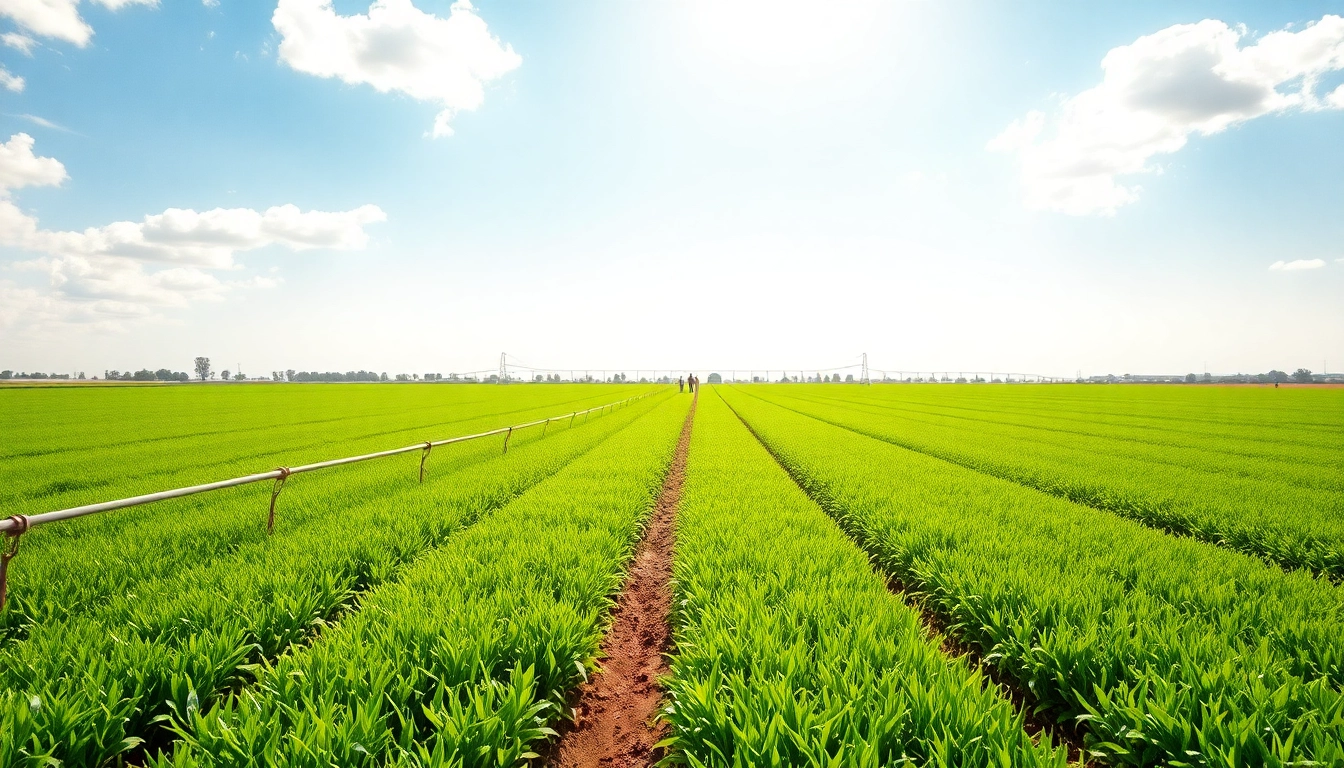
Land irrigation refers to the deliberate application of water to soil to facilitate plant growth. This essential agricultural practice not only conserves soil moisture but also helps ensure that crops receive the necessary hydration for optimal growth. It involves various techniques, which may include surface, subsurface, and micro-irrigation systems, tailored to the specific needs of crops and the characteristics of local environments. Utilizing land irrigation can significantly enhance agricultural productivity, especially in regions prone to drought or inconsistent rainfall.
Importance of Land Irrigation in Agriculture
Irrigation plays a critical role in agriculture by maximizing crop yields, allowing farmers to produce more food on the same amount of land. This productivity is essential as the global population continues to grow and demands more food. Moreover, effective land irrigation can stabilize food prices by ensuring supply continuity, reduce reliance on natural rainfall, and help mitigate the effects of climate fluctuations. Additionally, it can improve soil fertility and prevent issues like soil erosion.
Types of Land Irrigation Methods
There are several methods of land irrigation, each suited to different types of crops, soils, and landscapes. Here are some of the most common:
- Surface Irrigation: Water is applied to the soil surface and allowed to flow over the field. This includes furrow, basin, and flood irrigation.
- Drip Irrigation: Water is delivered directly to the roots of plants through a network of tubing, reducing evaporation and runoff.
- Sprinkler Irrigation: This method involves the application of water using a system of pipes and nozzles that spray water over the crops, resembling natural rainfall.
- Subsurface Irrigation: Water is applied below the soil surface, which can help minimize evaporation loss.
- Centre Pivot Irrigation: A rotating sprinkler system that irrigates a circular area as it moves along a pivot point.
Evaluating Soil and Water Needs for Land Irrigation
Soil Types and Their Impact on Irrigation
The type of soil significantly influences irrigation practices and effectiveness. Sandy soils drain quickly, necessitating more frequent irrigation, while clay soils retain moisture but may lead to waterlogging if over-irrigated. Loamy soils are often ideal for agriculture due to their balanced drainage and nutrient-holding capacities. Understanding soil composition can guide farmers in tailoring their irrigation systems for maximum efficiency.
Calculating Water Requirements
To ensure crops receive adequate water, farmers must calculate their specific water requirements based on crop type, growth stage, and environmental conditions. This often involves using evapotranspiration rates and soil moisture levels. Farmers can utilize tools and technologies like soil moisture sensors to obtain real-time data for precise watering, ultimately leading to water conservation and improved crop health.
Assessing Local Climate Conditions
Local climate plays a pivotal role in determining irrigation needs. Factors such as temperature, rainfall patterns, and humidity affect the rate of water evaporation and transpiration in plants. Farmers must monitor these climatic conditions regularly to adjust their irrigation plans accordingly. For example, areas with high temperatures and winds may require more frequent irrigation compared to cooler, humid regions.
Implementing Efficient Land Irrigation Systems
Selecting the Right Irrigation System
Choosing the appropriate irrigation system is crucial for maximizing water use efficiency and crop productivity. Factors to consider include the type of crops, soil characteristics, water availability, and economic constraints. Systems like drip irrigation may be best for high-value crops, while surface irrigation may be more cost-effective for larger fields of lower-value crops. A comprehensive assessment will aid in selecting the most effective system for specialized needs.
Installation Best Practices
The installation of any irrigation system should follow best practices to ensure long-term functionality. This includes conducting thorough site surveys, understanding soil drainage patterns, and ensuring proper placement of components to avoid water loss through runoff or evaporation. Installing backflow prevention devices and filtration systems can also help maintain water quality and protect crops from contaminants.
Maintenance for Longevity and Efficiency
Routine maintenance is vital for sustaining the efficiency of irrigation systems. Regular checks on components, such as filters, emitters, and pump systems, to prevent clogs and leaks can save water and money. Additionally, seasonal evaluations of system performance will help identify areas for improvement or adjustment, ensuring that the irrigation system adapts to any changes in crop requirements or environmental conditions.
Advanced Techniques in Land Irrigation Management
Precision Irrigation Technologies
Precision irrigation technologies, such as advanced sensors and automated systems, allow for more efficient use of water. These tools provide data-driven insights that enable farmers to optimize irrigation schedules based on real-time conditions. Technologies such as satellite imaging and drone mapping can help in assessing field variability, ensuring that water allocation is personalized to each area’s specific needs.
Incorporating Weather Data for Optimization
Incorporating weather forecasts and climatic data into irrigation management can lead to better decision-making. Understanding rainfall predictions and temperature fluctuations helps farmers avoid unnecessary irrigation, conserving water resources, and reducing costs. Integrating this data into irrigation systems can also allow for automated adjustments based on forecasted conditions.
Promoting Sustainable Water Use
Water conservation is essential for sustainable agriculture. Techniques such as rainwater harvesting, soil moisture management, and drought-tolerant crop selection can all contribute to more sustainable land irrigation practices. Training and educating farmers on the significance of these methods can also foster a culture of conservation, ensuring agricultural resilience in the face of changing climate conditions.
Measuring Success in Land Irrigation Practices
Key Performance Indicators for Irrigation
Evaluating the effectiveness of irrigation practices is critical for continuous improvement. Key performance indicators (KPIs) may include water-use efficiency, crop yield per unit of water applied, and soil health parameters. Regular monitoring of these KPIs allows for informed decision-making and can lead to significant enhancements in overall system performance.
Analyzing Crop Yields and Water Use Efficiency
Analyzing the relationship between crop yields and water use is essential for scheduling irrigation effectively. By studying historical data and current practices, farmers can identify patterns that lead to optimal water usage while maximizing yields. Adjustments to irrigation practices based on past results can enhance production efficiency and sustainability.
Continuous Improvement and Adaptation Strategies
To stay ahead in agricultural innovation, it is important to foster a mindset of continuous improvement. Participating in workshops, collaborating with agronomists, and leveraging new technologies can help farmers adapt their practices. Ongoing evaluations and willingness to modify techniques based on research and field data will contribute to better land irrigation practices moving forward.
FAQs about Land Irrigation
What is the primary purpose of land irrigation?
The primary purpose of land irrigation is to provide water to crops to enhance growth, improve yields, and stabilize production, especially in areas with limited rainfall.
What are the different methods of land irrigation?
The main methods include surface irrigation, drip irrigation, sprinkler irrigation, subsurface irrigation, and centre pivot irrigation, each with its advantages and suitable applications.
How can I calculate my irrigation water needs?
Irrigation needs can be calculated using crop type, growth stage, local climate data, and soil moisture levels to determine the volume of water required for optimal growth.
What are the benefits of precision irrigation technologies?
Precision irrigation technologies enhance water use efficiency, reduce costs, and allow for tailored irrigation schedules based on real-time data, improving crop health and yield.
Why is regular maintenance important for irrigation systems?
Regular maintenance prevents system malfunctions, reduces water waste, and ensures that irrigation systems operate at peak efficiency, ultimately leading to better crop performance.