
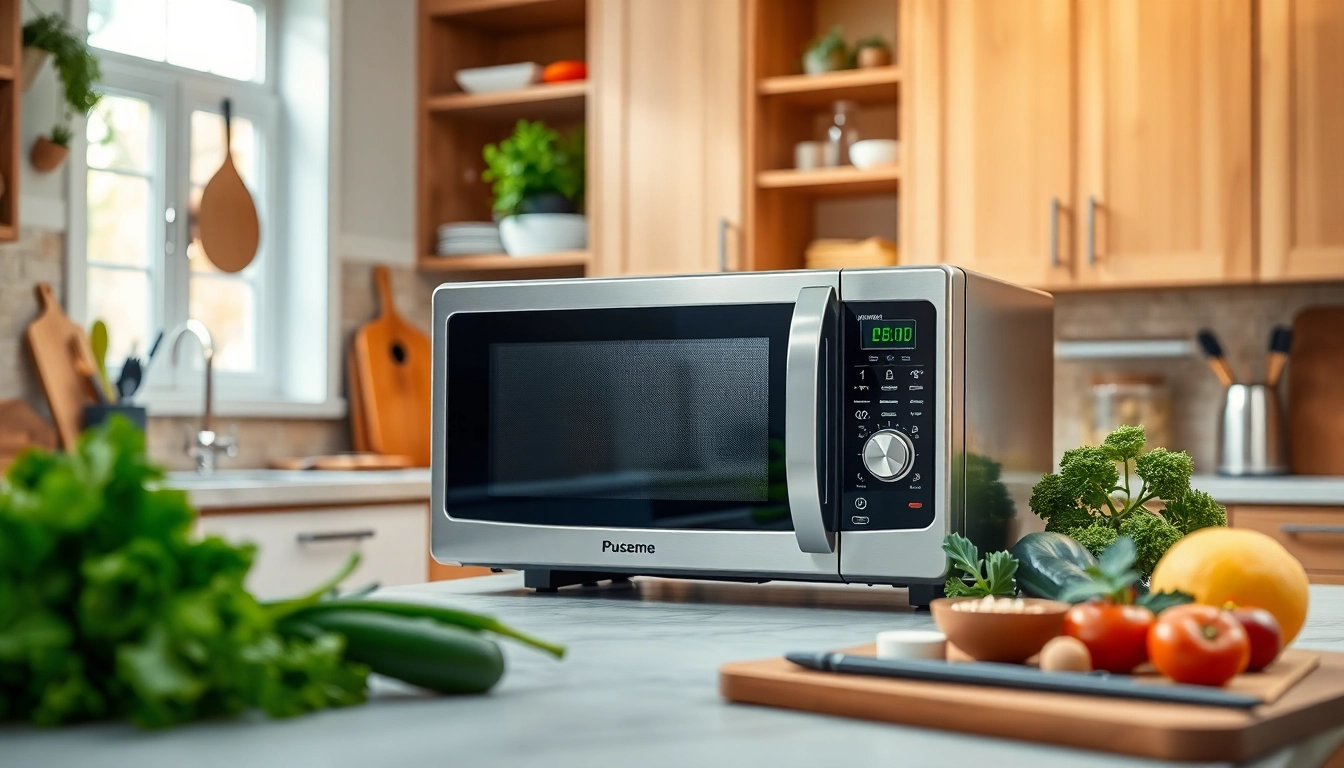
The microwave oven market has undergone significant transformations over the past few years, reflecting changes in consumer behavior and technological advancements. As modern households seek convenience and efficiency, understanding the dynamics of microwave oven sales becomes paramount. This article delves into the current trends and consumer preferences in this sector, effective marketing strategies, product visibility enhancement, customer experience improvement, and the performance metrics essential for success in microwave oven sales.
Understanding the Microwave Oven Market
Current Trends in Microwave Oven Sales
The global microwave oven market has been on an upward trajectory, driven by advancements in technology and changing consumer lifestyles. One significant trend is the rising demand for smart microwave ovens that integrate with home automation systems. These devices not only provide heating and cooking capabilities but also offer features such as remote operation, pre-programmed recipes, and energy efficiency alerts. Additionally, health-conscious consumers are inclined toward microwave ovens that offer grilling, baking, and steaming functions, allowing for healthier meal preparation.
Another aspect propelling sales is the expanding e-commerce sector. Shoppers increasingly prefer online platforms for their appliance purchases, leading to an uptick in direct-to-consumer sales strategies. Virtual showrooms and augmented reality (AR) applications are evolving, enabling potential buyers to visualize how a microwave will fit into their kitchen space. Understanding these trends allows manufacturers and retailers to tailor their offerings and marketing strategies accordingly.
Consumer Preferences and Needs
Today’s consumers prioritize convenience and efficiency in their kitchen appliances, and microwave ovens are no exception. Features such as quick heating time, easy-to-use controls, and digital interfaces resonate with busy individuals and families. Safety features, like child locks and automatic shut-off systems, are also increasingly sought after as parents look to protect their households.
Consumers are also more informed and discerning about energy consumption and sustainability. Many are looking for products that not only meet their cooking needs but also align with their values regarding environmental responsibility. As a result, the demand for energy-efficient models that reduce power consumption without sacrificing performance is growing.
Competitive Landscape Analysis
The competitive landscape of microwave oven sales is characterized by a variety of players, from established brands to niche manufacturers. Major companies are constantly innovating, introducing new features, and updating their product lines to maintain relevance in this fast-paced market. Market analysts recommend conducting SWOT analyses to understand the strengths, weaknesses, opportunities, and threats within this space. Companies that can effectively differentiate themselves through unique features, robust marketing, and strategic partnerships will have a competitive edge.
Effective Marketing Strategies for Microwave Oven Sales
Utilizing Social Media for Promotions
With millions actively engaging on social media platforms, leveraging these channels for promoting microwave ovens is essential. Brands can create visually appealing content that showcases how their microwave ovens integrate into modern life. Influencer partnerships can enhance credibility and reach, particularly among younger demographics.
Three key tactics include conducting cooking demonstrations via live streams, sharing user-generated content featuring satisfied customers, and engaging users with consistent, interactive posts. Using targeted ads on platforms like Facebook and Instagram can also help reach niche markets, tailor messaging, and drive traffic to selling points.
Email Campaigns that Convert
Email marketing remains one of the most potent tools for converting potential customers. Tailoring email campaigns to highlight new releases, special promotions, and user tips for maximizing microwave functions can keep engaged customers informed and interested. Personalized email content that caters to previous purchase behavior can significantly enhance conversion rates.
Implementing A/B testing on email subject lines and content can provide brands with important insights into customer preferences and behavior. Consistent engagement with a well-structured newsletter that includes recipes, maintenance tips, and seasonal offers will nurture customer loyalty and drive repeat sales.
Leveraging Influencer Partnerships
Collaborating with influencers who share similar brand values can dramatically amplify visibility and credibility. Micro-influencers tend to resonate well with niche markets, providing a more authentic connection to their followers. When selecting influencers, it’s vital to assess their alignment with the brand’s message and their audience’s demographics.
Effective partnerships may include product placements, sponsored content showcasing the microwave oven’s versatility, and collaborative cooking challenges to engage followers. Tracking the success of these campaigns through engagement rates and sales conversion metrics will help refine future influencer strategies.
Enhancing Product Visibility Online
SEO Best Practices for Microwave Oven Sales
Search Engine Optimization (SEO) plays a crucial role in enhancing product visibility online. Implementing keyword research, including terms like “best microwave oven” or “energy-efficient microwaves,” allows brands to create optimized content tailored to customer interests. Regularly updated blog content can position a brand as an industry leader while driving organic traffic.
Additionally, optimizing product descriptions and including rich media such as high-quality images and videos increases engagement and dwell time, both critical factors for search engine ranking.
Creating Engaging Content for Your Audience
Content marketing can elevate brand identity and foster customer connections. Creating engaging blog posts, how-to guides, recipe videos, and maintenance checklists can keep potential buyers engaged and informed.
Consider incorporating storytelling elements that resonate with consumer lifestyles—such as the convenience of quick dinners for busy families or innovative recipes that showcase the microwave’s versatility. Live Q&A sessions can also provide immediate value and establish authority around the microwave ovens sold.
Utilizing E-commerce Platforms Effectively
Maximized product visibility within e-commerce platforms requires strategic listing management. High-resolution images, thorough descriptions, user reviews, and competitive pricing strategies can significantly influence purchasing decisions. Analytics tools can assist in tracking customer behavior on these platforms, revealing valuable insights to refine marketing approaches.
Additionally, optimizing listings with relevant keywords and utilizing sponsored ads on platforms such as Amazon can effectively boost visibility in search results, capturing the attention of potential buyers more efficiently.
Improving Customer Experience and Engagement
Importance of Customer Reviews
Customer reviews are foundational for fostering trust and enhancing the credibility of microwave oven sales. Positive testimonials can significantly influence prospective buyers by providing social proof and addressing common concerns. Encouraging satisfied customers to leave reviews through follow-up emails or loyalty incentives is vital.
Addressing negative reviews transparently and promptly demonstrates commitment to customer satisfaction, helping to rectify misconceptions or mistakes. Creating a responsive engagement strategy can lead to improved customer relationships.
Building a Loyalty Program for Repeat Purchases
A robust loyalty program enhances customer retention and encourages repeat business. Offering points for purchases, referrals, and reviews incentivizes continued engagement with the brand. Shoppers appreciate personalized offers, such as discounts on future purchases or exclusive promotions for loyal customers.
Employing gamification techniques within the loyalty program—reward badges for milestones like a certain number of purchases—can amplify user engagement and encourage social sharing.
Providing Exceptional Customer Support
Exceptional customer support can differentiate a brand in the competitive microwave oven market. Customer inquiries must be addressed promptly, whether through live chat, email, or phone support channels. Comprehensive FAQs, user manuals, and instructional videos can empower customers to resolve common issues independently.
Furthermore, integrating customer feedback into improving product offerings and support services fosters a sense of community and trust between the brand and its buyers, reinforcing customer loyalty.
Performance Metrics for Measuring Success
Key Performance Indicators to Track
Effective measurement of sales performance relies on tracking Key Performance Indicators (KPIs) that reflect customer engagement, sales conversion rates, and return on investment (ROI) from marketing efforts. Metrics such as cart abandonment rates and customer lifetime value provide insights into consumer behavior and purchasing patterns.
Investing in analytics tools can allow brands to set benchmarks, analyze performance over time, and identify areas for growth. Understanding which products resonate with consumers can help in refining inventory and marketing strategies.
Tools for Monitoring Sales and Engagement
Various tools and platforms exist for monitoring sales and engagement effectively. Google Analytics, for example, provides detailed insights into website traffic, user behavior, and e-commerce performance, enabling brands to make data-driven decisions. Customer relationship management (CRM) tools also offer insights into customer interactions and preferences.
Social media analytics tools can measure engagement on promotional campaigns, allowing brands to pivot or adjust strategies in real time based on performance metrics.
Adjusting Strategies Based on Data Insights
Data-driven decisions are essential for sustaining success in microwave oven sales. Regularly analyzing performance metrics helps identify trends and consumer behavior shifts, enabling timely adjustments to marketing strategies. Brands should remain agile, embracing innovative strategies that respond to feedback from customers.
Approaches such as A/B testing of promotional campaigns allow businesses to identify more effective tactics, refine messaging, and optimize both marketing and product offerings for enhanced resonance with target audiences.
Frequently Asked Questions (FAQs)
What should I consider when buying a microwave oven?
Consider factors like size, wattage, features (such as convection or grilling), and energy efficiency. Evaluate how well it fits into your kitchen space and meets your cooking needs.
Are microwave ovens energy efficient?
Many modern microwave ovens are designed to be energy-efficient. They use less energy compared to traditional ovens, particularly for reheating and cooking smaller meals.
What are the safety features available in microwave ovens?
Common safety features include child locks, automatic shut-off, and safety sensors that detect overheating. Always check the specifications for safety assurances.
How can I clean my microwave oven effectively?
Use a mixture of water and white vinegar or lemon juice in a microwave-safe bowl to steam clean. Wipe surfaces with a soft cloth or sponge for best results.
Can I use metal containers in a microwave?
No, metal containers can cause sparks and fires in microwaves. Always use microwave-safe glass or ceramic containers for cooking and reheating.