Understanding Crawl Space Restoration
What is Crawl Space Restoration?
Crawl Space Restoration refers to the comprehensive process of diagnosing, repairing, and revitalizing the areas beneath a home. These spaces, often ignored, can suffer from various problems such as moisture buildup, pest infiltration, and structural deficiencies. Through careful assessment and implementation of targeted improvements, homeowners can restore the integrity and efficiency of their crawl spaces, leading to a healthier overall environment.
Importance of Crawl Space Restoration
Crawl Space Restoration is vital for several reasons. Primarily, it mitigates the risk of mold growth and mildew, which thrive in damp environments. These fungi can adversely affect indoor air quality and pose health risks to residents. Furthermore, a restored crawl space enhances the structural integrity of the home, preventing costly damages and improving energy efficiency. Effective Crawl Space Restoration also deters insect infestations, ensuring a more comfortable living space.
Common Problems in Crawl Spaces
Homeowners often encounter a range of issues in crawl spaces, including:
- Excess Moisture: Water intrusion can result from plumbing leaks, poor drainage, or high humidity levels.
- Mold and Mildew: These fungi thrive where moisture is unchecked and can spread quickly.
- Pest Infestations: Insufficient foundational barriers allow insects and rodents to invade.
- Poor Insulation: Inefficient insulation can lead to uncomfortable temperatures and higher energy bills.
Steps for Effective Crawl Space Restoration
Initial Inspection and Assessment
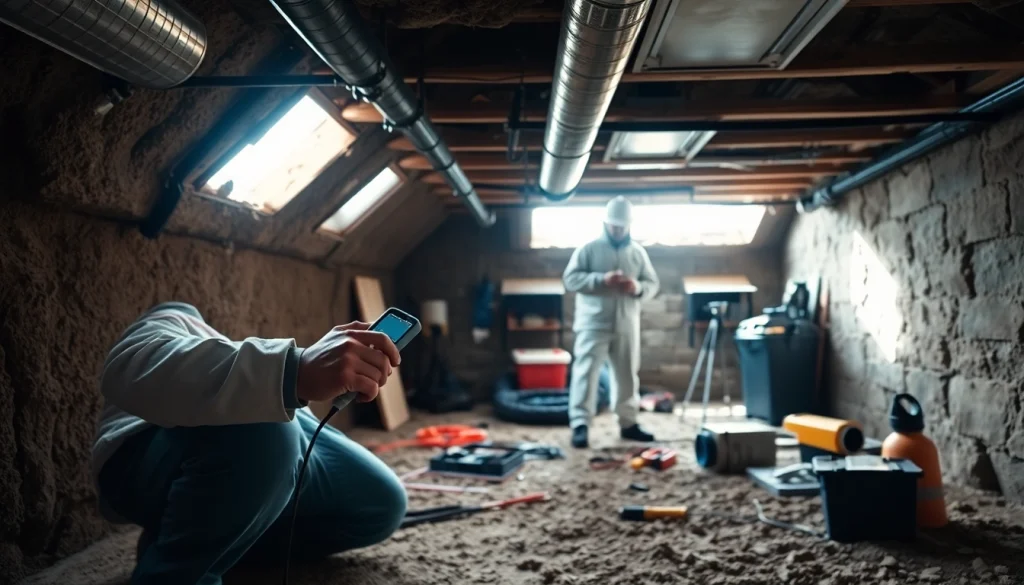
The first and most crucial step in Crawl Space Restoration is a thorough inspection. Homeowners should look for signs of moisture, mold, or pests. A professional assessment can utilize tools like moisture meters to quantify the dampness levels. It’s essential to document any visible signs of damage and to evaluate the insulation quality. This step determines the specific restoration needs and helps create an effective recovery plan.
Moisture Control Techniques
Moisture control is paramount in any successful restoration project. Here are some effective techniques:
- Installation of a Vapor Barrier: A polyethylene sheet laid over the crawl space floor can significantly reduce moisture levels.
- French Drains: These drains redirect water away from the foundation, preventing flooding and damp conditions.
- Dehumidifiers: Using a dehumidifier can control humidity levels, helping to maintain a dry environment.
Insulation and Ventilation Improvements
Ensuring proper insulation and ventilation in a crawl space makes a significant difference in maintaining a comfortable home environment. Consider the following improvements:
- Upgrading Insulation: Use foam board or spray foam for superior insulating properties that combat heat loss.
- Vent Opening Adjustments: Ensure that the ventilation helps promote air circulation, which is vital for moisture control.
Choosing the Right Materials for Crawl Space Restoration
Best Materials for Moisture Barrier
When selecting a moisture barrier for Crawl Space Restoration, durability and effectiveness are key. Polyethylene sheeting is one of the most common materials due to its waterproof qualities. Look for thicker options (at least 10 mils) to ensure longevity and resistance to tears or punctures.
Effective Insulation Options
For insulation, the options vary based on the crawl space’s design and specific needs:
- Fiberglass Batts: Popular for affordability, these are easy to install but can absorb moisture if not installed correctly.
- Spray Foam Insulation: This type expands upon application, providing optimal coverage and a superior moisture barrier.
Durable Flooring and Wall Solutions
Choosing the right flooring and wall solutions is critical to ensure the longevity of the crawl space. Consider materials that resist moisture and pests, such as concrete or treated wood. Wall coverings that include waterproof finishes can prevent the growth of mold and moisture-related issues.
Cost Factors in Crawl Space Restoration
Labor Costs in Crawl Space Restoration
Labor costs can vary significantly based on the complexity of the project and geographic location. It’s essential to obtain quotes from multiple contractors and understand what is included in their estimates. On average, labor can account for 40-60% of the total restoration expenses, depending on the tasks required.
Material Costs to Consider
The cost of materials can also fluctuate widely based on quality and type. A basic moisture barrier may cost $0.50 to $1.00 per square foot, while high-end insulation can range from $1.50 to $3.00 per square foot. Always budget for unexpected expenses that could arise during the restoration process.
Long-term Investment Benefits
Investing in Crawl Space Restoration can yield significant long-term benefits, including increased home value, improved air quality, and reduced energy bills. A well-maintained crawl space also lessens the chances of major repairs down the line, resulting in overall savings and better quality of life.
FAQs about Crawl Space Restoration
How often should I perform crawl space restoration?
Regular inspections should happen every 6 months, especially in moist climates.
Can I do crawl space restoration myself?
While basic tasks can be DIY, professional help is recommended for significant issues.
What signs indicate I need crawl space restoration?
Signs include dampness, mold, pest activity, and foul odors in your home.
How long does a crawl space restoration project take?
The length of the project varies, but most take 1-3 days depending on complexity.
Is crawl space restoration costly?
Costs vary based on size and extent of damage, but it’s a crucial investment for home health.