Understanding the Importance of a Fly Fishing Vest
When it comes to the art of fly fishing, every piece of gear you choose plays a role in your overall success and enjoyment. One such piece of equipment that stands out is the fly fishing vest. This essential accessory not only serves as a storage solution for your fishing tools but also enhances your overall fishing experience. Let’s delve deeper into what a fly fishing vest is and why it’s indispensable for anglers of all levels.
What is a Fly Fishing Vest?
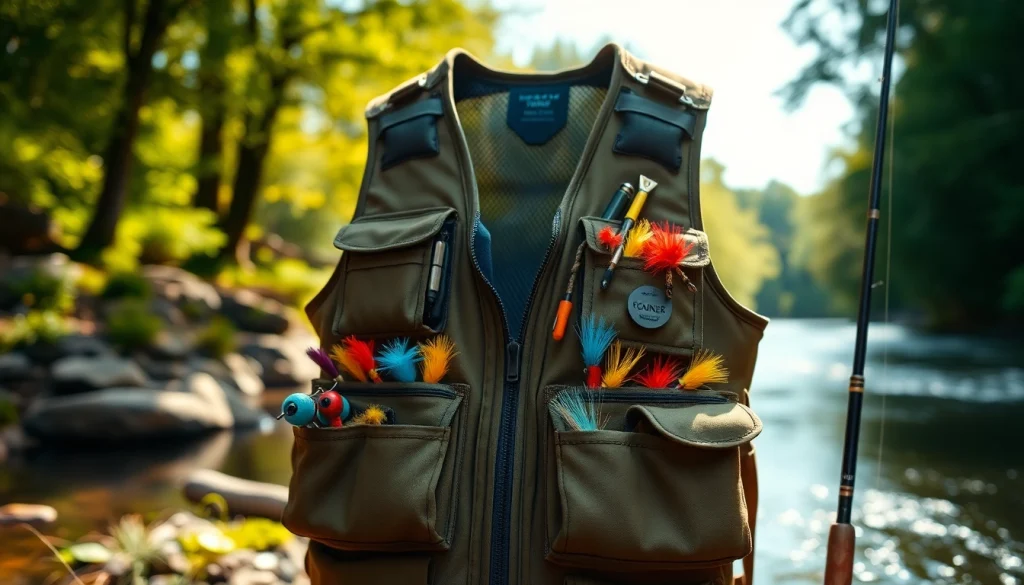
A fly fishing vest is a specialized garment designed for carrying various fishing tools and accessories while keeping your hands free. It typically includes multiple pockets, attachment points for gear, and is often made from lightweight, quick-drying materials. The vest allows anglers to organize their essentials such as fly boxes, tippets, leaders, and even snacks comfortably. Unlike backpacks, which can be cumbersome, vests provide easy access to everything you need, right at your fingertips.
Key Benefits of Using a Fly Fishing Vest
- Convenience: With a fly fishing vest, everything you need is organized and easily accessible. You can quickly swap flies or grab a tool without having to dig into a backpack.
- Mobility: Vests allow for a greater range of motion as they don’t obstruct your arms and shoulders, ensuring that casting and reeling in fish is effortless.
- Comfort: Most vests are designed to fit snugly but not restrictively, allowing you to move comfortably while enjoying a day on the water.
- Organization: With various pocket sizes and configurations, you can categorize your tools, making it easier to find exactly what you need when you need it.
- Weather Protection: Many vests also offer a layer of protection against the elements, such as light rain or water splashes.
Ideal Situations for Wearing a Fly Fishing Vest
Fly fishing vests shine in various scenarios:
- Stream Fishing: When fishing in rivers or streams, a vest provides easy access to quickly changing flies and lures while wading.
- Lake Fishing: On still waters, a vest helps you stay organized while you scout for fish from the shore or a boat.
- Traveling: When hiking to remote fishing spots, a vest allows you to carry all essential gear without the burden of larger bags.
- Fishing Classes: Beginners can benefit from wearing a vest to learn about organization while practicing casting and retrieving techniques.
Features to Look for in a Fly Fishing Vest
Choosing the right fly fishing vest involves understanding your preferences and the features that enhance your fishing experience. Here are several key aspects to consider:
Material and Durability
The fabric of your fly fishing vest matters significantly. Look for lightweight, breathable materials like nylon or polyester that also offer water resistance. These materials dry quickly and provide durability against the rigors of outdoor use. Reinforced stitching and high-quality zippers are also crucial for ensuring the longevity of your vest, especially if you fish frequently.
Pocket Configuration and Accessibility
A well-designed vest should offer various pocket sizes and arrangements tailored to your fishing needs. Consider vests with:
- Zippered pockets: Great for securing important items.
- Mesh pockets: Ideal for storing wet flies or tools.
- Expandable pockets: Good for carrying additional items when required.
Think about how you will organize your flies, tools, and accessories, and choose a vest that allows easy access to everything.
Comfort and Fit
The fit of your fly fishing vest is as crucial as its features. It should allow for easy movement without being too loose or restrictive. Adjustable straps can help in achieving a snug fit, while padded shoulders provide extra comfort during extended wear. Also, consider ventilation features for hot weather to keep you cool when you’re spending hours outdoors.
Top Styles of Fly Fishing Vests
The market offers a range of fly fishing vests, each suited for different types of anglers. Here’s a breakdown of popular styles:
Traditional vs. Modern Fly Fishing Vests
Traditional vests often showcase a classic design with an abundance of pockets. They emphasize function over fashion but vary in styles tailored to specific fishing needs. Conversely, modern vests integrate advanced materials and minimalist designs, providing the same functionality with reduced weight and bulk. Consider what appeals to you and your fishing style for selecting the ideal vest.
Best Fly Fishing Vests for Beginners
For those new to fly fishing, look for vests that offer essential features without overwhelming complexity. Simple pocket configurations, comfortable materials, and a reasonable price point make for excellent choices. A good beginner vest should help ease the learning curve while accommodating fundamental tools and accessories.
Professional-Grade Fly Fishing Vests
Professional anglers look for specialized features in their fly fishing vests. High-capacity pockets for gear, water-resistant materials, and extra attachments for advanced tools are key attributes. These vests can be pricier but are built for durability and efficiency, making them worth the investment for serious fishers.
Caring for Your Fly Fishing Vest
Cleaning and Maintenance Tips
Regular washing will keep your vest looking fresh and performing well. Use a gentle detergent and avoid fabric softeners, which can compromise waterproofing. Always follow the manufacturer’s instructions for washing and drying to prevent damage.
Storage Solutions for Longevity
When not in use, your fly fishing vest should be stored in a cool, dry place. Avoid folding it in a way that can cause creases in pockets, and consider hanging it to retain its shape. This practice minimizes wear and helps maintain functionality over time.
Repairing Common Issues
Though designed for durability, your vest may experience wear and tear. Common issues include frayed seams or broken zippers. A simple needle and thread can fix small tears, while replacement zippers can be purchased to restore functionality. Keeping a small repair kit on hand can save you from significant issues down the line.
Frequently Asked Questions about Fly Fishing Vests
What materials are fly fishing vests made of?
Fly fishing vests are typically made from lightweight, durable materials like nylon or polyester, often treated for water resistance to withstand outdoor conditions.
How can I choose the right size fly fishing vest?
Selecting the right size involves measuring your chest and considering how many layers you’ll wear underneath. Always try vests on if possible to check for comfort and fit.
Are fly fishing vests suitable for other types of fishing?
Yes, fly fishing vests can be useful for various types of fishing, since they provide storage and easy access to tools and accessories needed for different fishing styles.
How do I organize flies and tools in a vest?
Use designated pockets for different items—e.g., keep wet flies in mesh pockets and tools in zippered ones. Organize based on frequency of use to enhance access.
What is the average cost of a quality fly fishing vest?
Quality fly fishing vests vary widely in price, generally ranging from $50 to $200, depending on features, brand, and durability. Investing in a good vest pays off in performance.