
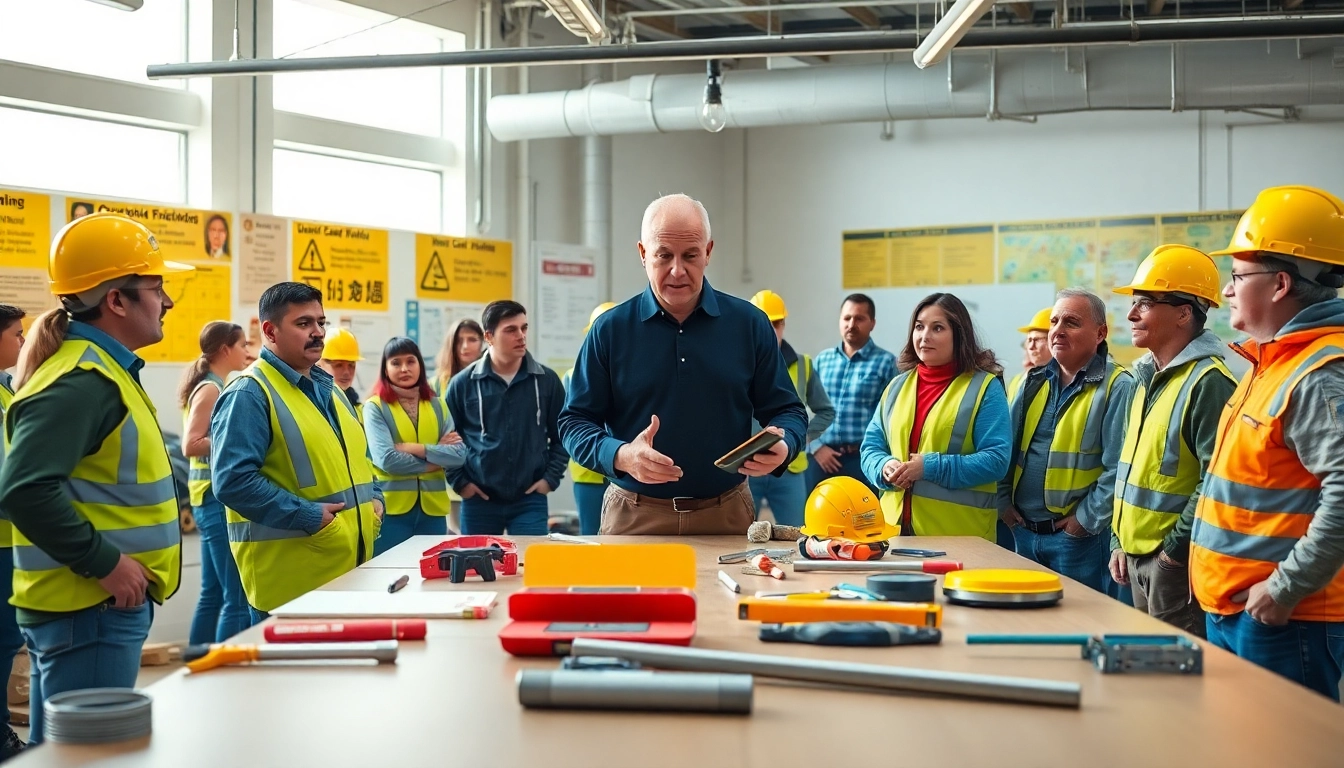
Understanding Construction Safety Training
Definition and Importance of Construction Safety Training
Construction safety training refers to the practices and procedures aimed at safeguarding workers on construction sites, equipping them with essential skills to handle hazardous conditions. It is a critical component of occupational safety, ensuring that workers can perform their tasks safely while minimizing risks of injury or fatalities. The construction industry is among the most dangerous fields of work globally, making effective safety training not just important, but imperative. Proper training fosters a culture of safety, enhancing not only employee confidence but also employer reputation and productivity. Those who participate in comprehensive construction safety training are typically more aware of potential hazards and are less likely to contribute to accidents.
Key Regulations Governing Safety Training
Several regulations underscore the importance of safety training in construction, with organizations like the Occupational Safety and Health Administration (OSHA) in the U.S. providing frameworks that guide best practices. OSHA standards require that certain roles, such as those operating heavy machinery or working in confined spaces, undergo specific safety training programs. Compliance not only assures fewer workplace accidents but can also protect companies from legal liabilities. Furthermore, it is essential for employers to stay updated with changing regulations to keep their training programs relevant and compliant.
Benefits of Comprehensive Training Programs
A well-structured training program can yield numerous benefits for both workers and employers. Key advantages include:
- Reduced Accident Rates: Companies with comprehensive safety training experience significantly lower incident rates.
- Increased Productivity: A well-trained workforce is often more efficient, reducing downtime caused by accidents.
- Employee Retention: Workers are more likely to stay with employers who invest in their safety and well-being.
- Better Compliance: With comprehensive training, companies ensure that they remain compliant with local and federal regulations.
Elements of an Effective Training Program
Curriculum Development for Construction Safety Training
Crafting an effective curriculum is paramount to the success of any construction safety training program. The curriculum should be tailored to the specific needs of the construction site, including the types of projects undertaken and potential hazards involved. Key components of a successful curriculum might include site-specific safety protocols, emergency response procedures, and hands-on training exercises. Incorporating real-life scenarios and case studies enhances relativity and retention of knowledge among trainees.
Interactive Training Methods: Beyond Lectures
Static lectures alone are often insufficient to engage adult learners in safety training. Interactive methods such as group discussions, role-playing, and simulations can enrich the learning process. By encouraging participation, trainees are more likely to retain important safety information. Techniques like breakout sessions, where small groups tackle specific safety challenges, can also facilitate deeper understanding and foster teamwork, ultimately enhancing overall safety culture.
Utilizing Technology in Safety Training
Modern technology plays an increasingly vital role in effective training. From e-learning platforms that allow for flexible schedule adherence to mobile applications that provide on-the-go access to safety resources, technology can streamline the learning experience. Virtual reality (VR) training and augmented reality (AR) simulations can also be utilized to create immersive experiences that replicate real-life hazards without the associated risks. These tools not only improve engagement but also increase retention rates.
Common Challenges and Solutions
Overcoming Resistance to Safety Training
Resistance to safety training often stems from misconceptions about its necessity or its perceived inconvenience. To overcome this, management should effectively communicate the benefits of training, emphasizing real case studies that demonstrate the consequences of inadequate training. Involving employees in the planning and execution of safety protocols can also lead to a greater acceptance and understanding of the training process.
Addressing Diverse Learning Styles
Every worker learns differently, and recognizing this can enhance the effectiveness of safety training. Implementing a blended learning approach that includes visual, auditory, and kinesthetic elements ensures that all participants can grasp essential safety concepts. This might involve presentations, videos, hands-on activities, and group projects which cater to diverse learning preferences.
Maintaining Engagement and Retention
Keeping learners engaged across multiple training sessions is a common challenge. Incorporating varied training methods, regular assessments, and interactive discussions helps maintain interest. Additionally, offering incentives, such as certifications or rewards for active participation, can motivate individuals to stay engaged and embrace the training process.
Measuring the Impact of Safety Training
Key Performance Indicators for Safety Programs
To evaluate the effectiveness of safety training initiatives, organizations must track specific Key Performance Indicators (KPIs). These may include the number of reported incidents, the severity of incidents, employee feedback scores, and inspections passed. Regular analysis of these metrics enables trainers and managers to determine areas needing further focus or adjustment, fostering continuous improvement in safety practices.
Feedback Mechanisms for Continuous Improvement
Establishing feedback systems is crucial for refining safety training programs. Methods such as anonymous surveys, focus groups, and one-on-one discussions can help gather honest opinions and critiques from participants. This feedback not only highlights successful areas but also uncovers aspects that may need re-evaluation or enhancement, ensuring that training remains relevant and effective.
Case Studies: Successful Implementation Outcomes
Analyzing case studies of successful safety training implementations can provide valuable insights. For instance, a construction firm that adopted a comprehensive training program with simulations saw a dramatic 70% reduction in work-related injuries over five years. This not only resulted in improved employee morale but also attracted more business due to its heightened reputation for safety.
Future Trends in Construction Safety Training
Embracing Virtual Reality and Simulation Technologies
The integration of Virtual Reality (VR) and simulation technologies is reshaping the landscape of construction safety training. These technologies allow workers to experience realistic scenarios that they may encounter on job sites, enhancing their preparedness. Training via VR can provide practical knowledge without the fear of real-life consequences, making it an invaluable tool for modern training programs.
Adapting Training to Emerging Construction Techniques
As construction methodologies evolve, training programs must also adapt. New materials, techniques, and technologies require updated training curricula that incorporate the latest safety protocols. Regular audits and updates to training content will ensure workers are equipped with the current knowledge necessary to operate in a modern construction environment safely.
Creating a Culture of Safety Through Ongoing Education
A robust safety program does not end with initial training sessions; it requires ongoing education and reinforcement. Organizations should promote a continuous learning culture by providing opportunities for advanced training sessions, workshops, and seminars. This sustained commitment to education reinforces the importance of safety beyond the classroom and instills a long-term culture of safety within the workforce.
FAQs About Construction Safety Training
What is construction safety training?
Construction safety training encompasses the education and skills necessary for workers to perform their tasks safely, focusing on recognizing hazards and implementing safety measures to prevent accidents.
Why is safety training important?
Safety training minimizes risks of injuries and fatalities on job sites, strengthens compliance with regulations, and enhances the overall productivity and morale of workers involved in construction.
How can technology enhance safety training?
Technologies like virtual reality and online platforms can offer immersive and flexible learning experiences, allowing workers to practice safety measures in realistic, risk-free simulations.
What challenges may arise during safety training?
Challenges include resistance from employees, diverse learning styles, and maintaining engagement over the duration of the training, which can be addressed with varied methods and constant communication.
How is the impact of safety training measured?
The impact can be measured through key performance indicators such as incident rates, employee feedback, and compliance scores, enabling continual improvement of training programs.