Understanding the Action Thriller Genre
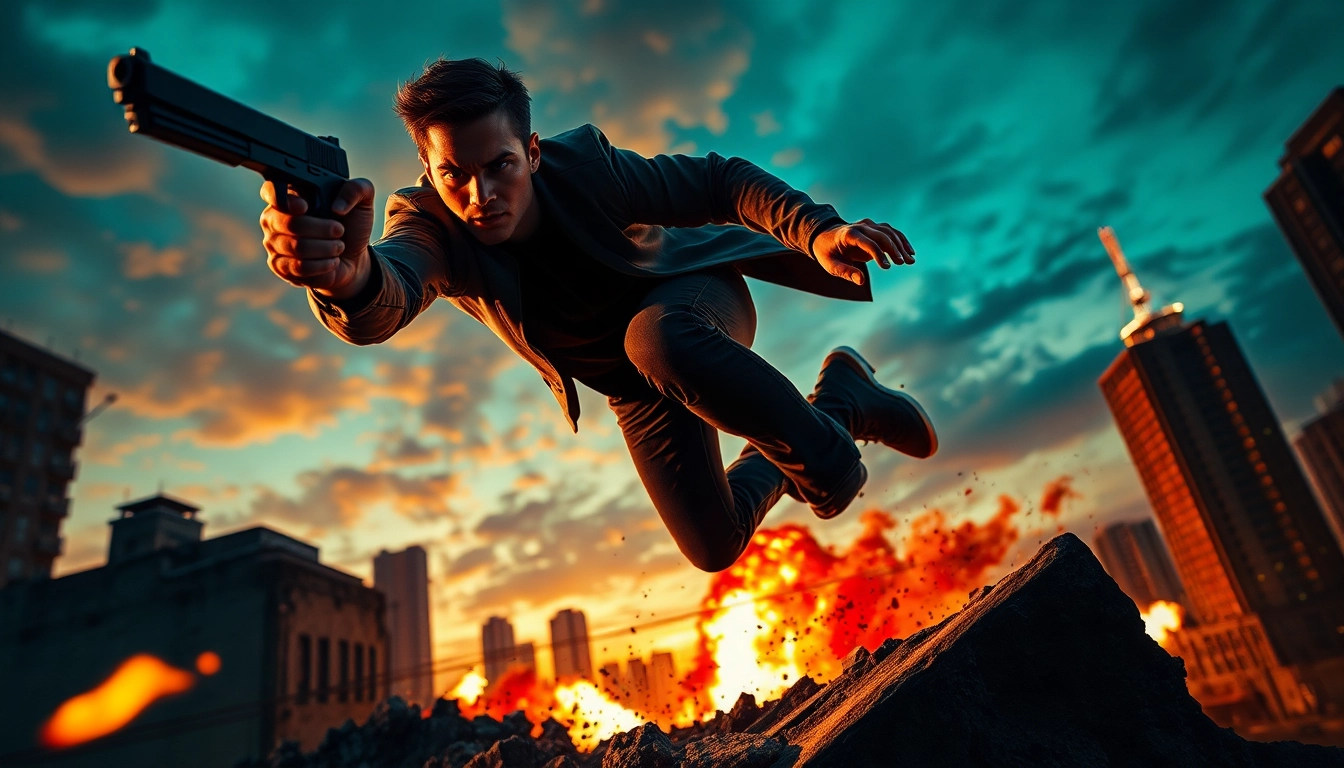
The Action thriller genre, characterized by its intense, fast-paced narratives and thrilling plotlines, has captivated audiences for decades. Combining elements of action, suspense, and psychological tension, these films often leave viewers on the edge of their seats. This genre doesn’t just entertain; it explores the depths of human emotion and conflict against a backdrop of relentless pace and adrenaline-pumping sequences.
Defining Action Thriller
At its core, an action thriller is a film genre that blends action-oriented sequences—like explosive fights, high-speed chases, and crucial confrontations—with thrilling storylines that keep the audience guessing. This hybrid nature makes action thrillers unique, as they evoke a spectrum of emotions, from excitement to fear. The thrill in these films emerges not just from physical action but also from the suspenseful twists and narrative structures that develop throughout the movie.
Key Characteristics of Action Thrillers
Action thrillers are marked by several key characteristics. These include:
- Fast-Paced Narrative: Quick cuts and rapid storytelling keep the audience engaged.
- High-Intensity Action Sequences: This genre often features elaborate stunts and fights that push the limits of realism.
- Complex Characters: Protagonists and antagonists typically have intricate personal backstories and motivations that drive their actions.
- Unpredictable Plot Twists: The best action thrillers introduce unexpected developments that challenge the audience’s expectations.
Popular Themes in Action Thrillers
The themes explored in action thrillers often resonate powerfully with audiences. Common themes include:
- Survival: The protagonist often finds themselves in situations where they must fight to survive.
- Betrayal: A common plot device involves trust being broken, leading to intense conflicts.
- Redemption: Characters often seek redemption for past actions, making their journey compelling.
- Justice vs. Revenge: A prevailing conflict often revolves around the dichotomy of seeking justice versus personal revenge.
Essential Elements of a Compelling Action Thriller
Strong Protagonists and Antagonists
The heart of any action thriller lies in its characters, particularly the protagonists and antagonists. A well-crafted protagonist typically possesses distinct traits that make them relatable, yet admirable. Often, these characters face insurmountable odds and are pushed to their limits.
On the other hand, antagonists must be equally complex, providing a formidable barrier to the protagonist’s success. Their motivations should be well-defined to create a compelling conflict. A strong antagonist not only challenges the hero’s physical abilities but also their moral principles, which heightens the tension.
High-stakes Conflict and Plot Twists
Conflict is paramount in action thrillers, usually manifesting in life-and-death situations that keep audiences engaged. High stakes ensure that the audience is emotionally invested in the characters’ fates. To amplify suspense, skilled filmmakers employ plot twists that shake the foundation of the story, revealing new layers of tension and challenge. These twists not only serve to surprise but often catalyze character development, pushing protagonists to evolve in unexpected ways.
Effective Use of Action Sequences
The action sequences in these films are designed to elicit visceral reactions from the viewer. Choreographed fights, elaborate chases, and explosive set pieces are meticulously planned and executed to create a sense of urgency and excitement. A well-placed action sequence both advances the plot and deepens character arcs, demonstrating the stakes in a tangible way. Moreover, the pacing of these sequences is crucial; they need to flow seamlessly with the narrative without overwhelming the viewer, keeping them engaged while building anticipation for what comes next.
The Role of Cinematography in Action Thrillers
Visual Techniques That Enhance Suspense
Cinematography in action thrillers plays a crucial role in establishing mood and tone. Techniques such as dynamic camera angles, rapid movements, and close-up shots are often utilized to depict chaos and intensity. A skilled cinematographer understands how to frame shots that heighten suspense, using lighting and color palettes to impact the viewer’s emotions profoundly. For instance, low light and stark shadows can create an atmosphere of unease, while vibrant colors can imbue scenes with energy.
Sound Design and Its Impact on Mood
Sound design in action thrillers goes beyond just the score; it encompasses all auditory elements that contribute to the atmosphere. The use of suspenseful music, sudden sound effects, and even silence can dictate the emotional flow of a scene. Music cues can build tension or relieve it, guiding the audience’s reactions. Effective sound design amplifies not only action sequences but also quieter, character-driven moments, ensuring that every scene maintains a gripping atmosphere.
Editing Styles Common in Action Thrillers
Edit styles are critical in shaping the final version of an action thriller. A brisk editing pace often accompanies high-octane action sequences to convey urgency and adrenaline. Quick cuts, for example, can help simulate the chaos of a fight or chase, immersing audiences fully in the action. In contrast, slower edits might be used in dramatic moments to emphasize character emotion and tension, allowing viewers to process key plot elements before moving on to the next thrilling sequence.
Analyzing Iconic Action Thrillers of All Time
Classic Examples and Their Influences
Throughout cinema history, numerous films have defined the action thriller genre, setting benchmarks for storytelling and filmmaking techniques. Classics such as “Die Hard” and “The Bourne Identity” have crafted archetypes that filmmakers continue to emulate. These films often feature memorable lines, iconic settings, and complex plots that have influenced countless subsequent productions.
Modern Action Thrillers and Their Innovations
Modern action thrillers have taken the genre to new heights, incorporating advanced technology, unique narratives, and diverse storytelling methodologies. Films such as “Mad Max: Fury Road” and “John Wick” have redefined expectations with their innovative approaches to action choreography and world-building. These movies integrate creative visuals with multi-layered plots, pushing boundaries and capturing the imaginations of contemporary audiences.
Lessons from Critically Acclaimed Action Thrillers
Critically acclaimed action thrillers often offer critical insights into effective storytelling. Elements such as a strong protagonist’s journey, tight pacing, and emotional depth emerge as common threads. For aspiring filmmakers and writers, analyzing characters’ development, narrative structure, and audience engagement techniques from these films can provide valuable lessons. Understanding why certain films resonate can inform future projects and enhance storytelling skills.
Creating Your Own Action Thriller
Crafting a Dynamic Plot
Creating an engaging plot is essential for any action thriller. Begin by establishing high stakes and compelling motivations for your characters. Your plot should weave between action-packed sequences and quieter, tension-filled moments that allow for character development. Strategically place plot twists to keep readers or viewers guessing, ensuring that their emotional investment remains high throughout the narrative.
Building Memorable Characters
To craft memorable characters, focus on depth and relatability. Develop complex backstories that explain their motivations and fears. Characters should have distinct personalities that clash and create conflict, adding layers to their relationships. This complexity not only garners audience sympathy but also enriches the plot as characters evolve throughout the story.
Tips for Writing Engaging Action Sequences
When writing action sequences, clarity is pivotal. Describe movements and reactions succinctly, allowing readers to visualize the events clearly. Use a variety of sentence lengths to create rhythm; shorter sentences can heighten tension and urgency, while longer ones can help build anticipation. Remember, the action should always serve character development or plot advancement; never include action for its sake. It should be meaningful and help propel your story forward.