
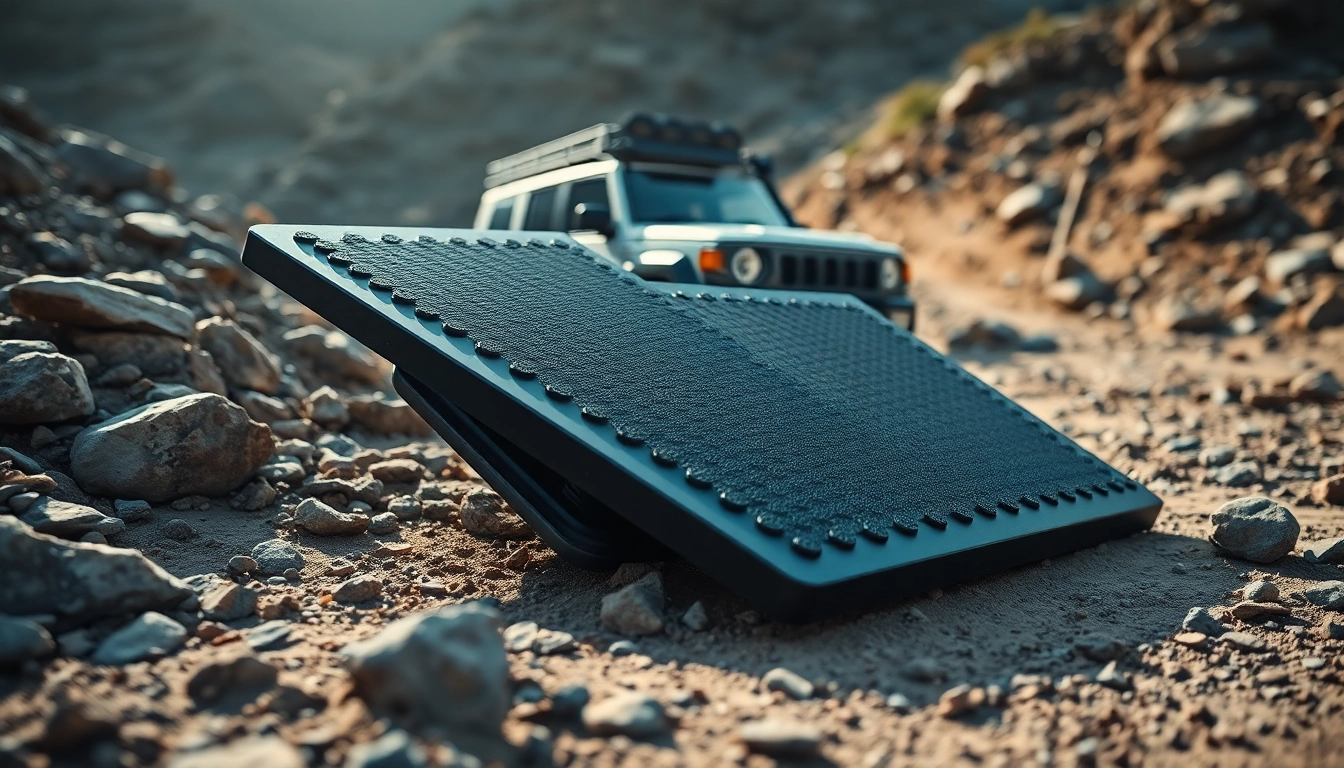
Understanding Recovery Boards
When venturing off the beaten path, the unpredictable nature of outdoor terrain can present challenges, especially when driving in remote areas. One essential tool that can assist in such situations is Recovery Boards. These handy devices serve to extract stuck vehicles from precarious situations, ensuring that adventurers can keep moving forward without undue hassle. In this guide, we will delve into the fundamentals of recovery boards, exploring their functionalities, benefits, and the different types available to ensure you are well-equipped for your next off-road adventure.
What Are Recovery Boards?
Recovery boards, sometimes known as traction boards, are specialized tools designed to provide traction for vehicles stuck in mud, sand, or snow. Made from durable materials, these boards are engineered to support the weight of a vehicle while allowing its tires to regain grip. Most commonly, they feature a long, flat design with raised grooves or teeth to maximize friction and effectively free a bogged-down vehicle. Recovery boards are a reliable solution whether you’re an off-road enthusiast or an occasional explorer.
How Recovery Boards Work
The operation of recovery boards is straightforward. When a vehicle becomes immobilized, the driver can position the recovery boards in front of the tires that require assistance. The unique design allows the tires to climb onto the board, creating extra traction. This traction is critical, as it provides enough grip for the tires to regain movement without spinning uncontrollably. They can be used on a variety of terrains but are particularly effective in loose surfaces like sand, snow, and mud, where traditional attempts to move a stuck vehicle may fail.
Key Benefits of Using Recovery Boards
Investing in recovery boards yields multiple advantages for off-road driving and adventure. Here are some key benefits:
- Versatility: Recovery boards work in various conditions and can be used across different vehicle types.
- Compact and Lightweight: Most boards are designed for portability, making them easy to store and transport.
- Durability: Quality recovery boards are built to withstand harsh conditions without easily breaking or bending.
- User-Friendly: Their ease of use means anyone can deploy them without requiring specialist knowledge or tools.
- Cost-Effective: Investing in recovery boards can save both time and money, eliminating the need for towing services.
Types of Recovery Boards
Plastic vs. Metal Recovery Boards
Recovery boards are primarily available in two materials: plastic and metal. Each type has its inherent benefits and drawbacks. Plastic recovery boards are lightweight, making them easy to carry, and are often less expensive. Their designs typically incorporate sturdy, high-density polyethylene that can endure harsh impacts.
On the other hand, metal recovery boards are generally more durable and can withstand substantial weight and pressure. They are less prone to cracking but can be heavier and more challenging to store. The choice between plastic and metal boards ultimately depends on the intended usage and the driving conditions frequently encountered.
Size and Shape Considerations
Choosing the right size and shape of the recovery board is essential for its effectiveness. Boards come in various lengths, typically ranging from 36 to 54 inches. Longer boards provide better coverage and traction for larger vehicles or heavier loads. Additionally, shape variations—like tapered shifts toward the end of the boards—facilitate smoother transitions and easier access for tires.
Ultimately, the right size and shape depend on the vehicle type, load capacity, and the nature of the terrain in which they will be used.
Special Features to Look For
When selecting recovery boards, some features can enhance performance:
- Grip Design: Look for boards with optimized grip patterns to maximize traction.
- Built-in Handles: Handles can facilitate easier retrieval when the boards are embedded in sand or mud.
- Reflective Elements: Some boards come with reflective strips, improving visibility in low-light conditions.
- Color Options: Choices in color can make it easier to locate boards when they are not in use.
How to Use Recovery Boards Effectively
Preparation Before Use
Preparation is crucial for effective use of recovery boards. Before venturing off-road, ensure your recovery boards are readily accessible. Inspect them for any damage or wear that could compromise their integrity. Familiarizing yourself with assessment techniques for the terrain will allow you to make quick decisions when a situation arises. Identify potential problematic areas, including soft sand or deep mud, and have a plan in place for towing or extraction.
Steps for Efficient Recovery
When recovery is necessary, follow these steps:
- Assess the situation: Evaluate the extent of the situation and identify how deeply the tires are stuck.
- Position the recovery boards: Place them in front of the stuck tires flat against the surface.
- Drive onto the boards: Gradually accelerate while keeping the steering straight to allow the tires to climb the boards.
- Gently maneuver: As the tires gain traction, carefully maneuver the vehicle away from the stuck position.
Common Mistakes to Avoid
Effectively using recovery boards requires knowledge of pitfalls that can hinder recovery efforts. Here are common mistakes to avoid:
- Incorrect placement: Not positioning the boards directly in front of the tires can reduce their efficacy.
- Insufficient grip: Using recovery boards without planting them adequately can lead to slip or failure.
- Rushing the process: Pressing the accelerator too aggressively can cause tire spin and exacerbate the issue.
- Ignoring safety protocols: Not ensuring that the area is safe before recovery can lead to complications.
Maintenance and Care of Recovery Boards
Cleaning Your Recovery Boards
To maintain the effectiveness of recovery boards, regular cleaning is essential. After use, wash them with water to remove mud, sand, or debris. For stubborn grime, a mild detergent can be used; however, avoid caustic substances that could damage the material. Air drying the boards prevents moisture accumulation, which can weaken some materials over time.
Storage Best Practices
Proper storage significantly extends the lifespan of recovery boards. Keep them in a cool, dry location, avoiding direct sunlight which can cause fading or weakening of the material over time. When putting them away, arrange them neatly to prevent bending or cracking, ideally in a storage bag designed for the boards for added protection.
Extending the Lifespan of Recovery Boards
To enhance durability, limit exposure to extreme temperatures. Regularly inspect them for any signs of wear, particularly after harsh usage. Replace any boards with cracks or extensive damage to prevent failure in future recoveries. Educating yourself about the materials will also help in understanding their limits and taking better care of them.
FAQs About Recovery Boards
What are the best materials for recovery boards?
Recovery boards are primarily made of durable plastic or metal. Plastic boards offer lightweight convenience, while metal boards boast higher durability for intensive uses.
Can recovery boards be used on all terrains?
While recovery boards are versatile, their effectiveness varies by terrain type. They excel in sandy, muddy, or snowy conditions and can aid a stuck vehicle effectively.
How do I choose the right size recovery board?
The right size depends on the vehicle type; larger recovery boards are often necessary for heavier vehicles to provide maximum support when in use.
Are recovery boards reusable?
Yes, recovery boards are designed for multiple uses. Proper cleaning and maintenance will enhance longevity and ensure reliability for repeated recoveries.
What safety precautions should I take?
Before using recovery boards, assess the area surrounding your vehicle, ensure stability, and adhere to safety guidelines provided by the manufacturer.