Water management is becoming increasingly critical in urban and rural development projects. Efficient storage solutions are essential to ensure sustainability, minimize flooding risks, and optimize water reuse. One of the most effective solutions for shallow surface water projects is geocellular storage tanks. These innovative systems are designed to store large volumes of water underground, providing reliable and flexible solutions for stormwater management, rainwater harvesting, and flood mitigation.
What Are Geocellular Storage Tanks?
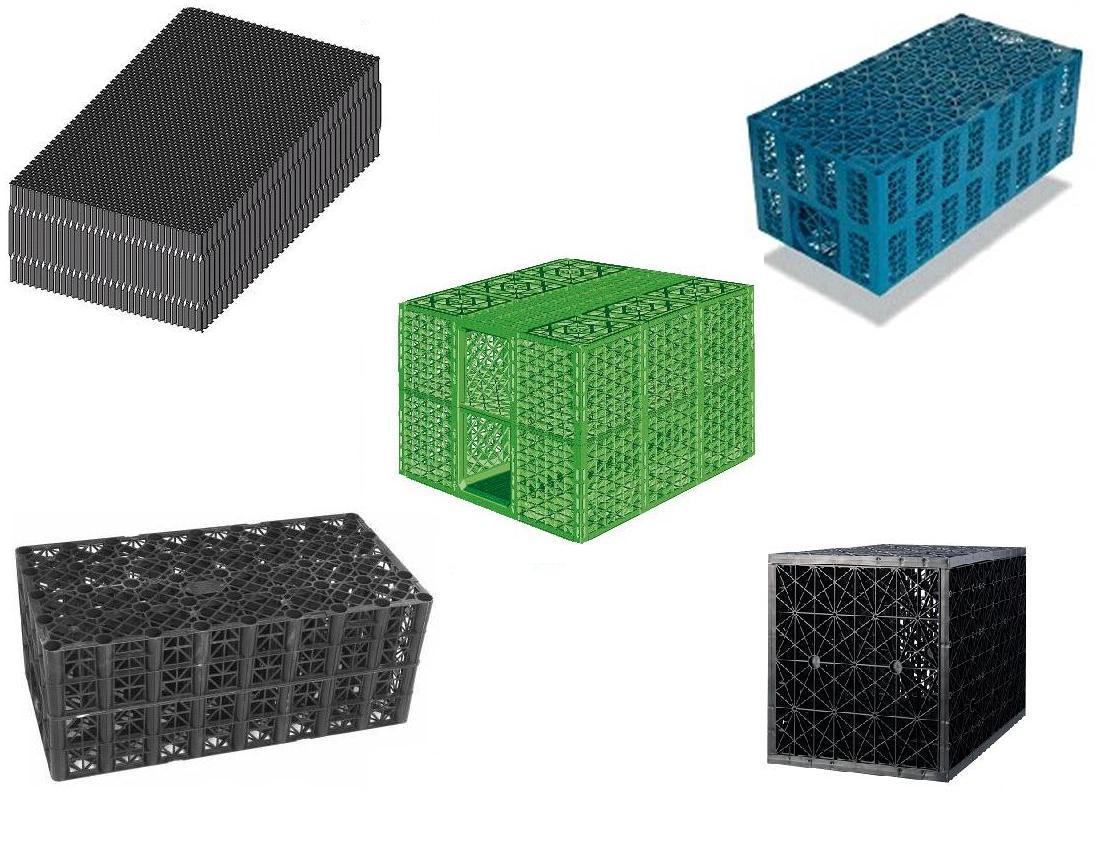
Geocellular storage tanks are modular, high-strength systems used to store and manage water below the surface. Constructed from durable polymer materials, these tanks are lightweight yet capable of handling substantial loads. Their unique cellular design allows for rapid infiltration, storage, and controlled discharge of surface water. Unlike traditional concrete or metal tanks, geocellular systems are easy to install, adaptable to different site conditions, and environmentally friendly.
The primary advantage of geocellular storage tanks is their ability to be installed beneath green spaces, parking lots, and roads without disrupting existing infrastructure. This makes them ideal for shallow surface water projects where surface space is limited, and effective water management is critical.
Benefits of Geocellular Storage Tanks in Shallow Water Projects
1. Space Efficiency
One of the most significant benefits of geocellular storage tanks is their space efficiency. Because these tanks are installed underground, they free up surface area for landscaping, recreation, or construction. This is particularly important in urban settings where land is scarce and expensive.
2. Sustainable Water Management
Geocellular storage tanks support sustainable water management by allowing rainwater to be captured, stored, and reused. Stored water can be utilized for irrigation, industrial processes, or replenishing groundwater tables, reducing the demand on municipal water supplies.
3. Flood Mitigation
Shallow surface water projects often aim to control flooding and reduce surface runoff. Geocellular storage tanks act as temporary reservoirs, absorbing excess water during heavy rain events and slowly releasing it back into drainage systems. This minimizes the risk of local flooding and protects nearby infrastructure.
4. Ease of Installation and Maintenance
Unlike traditional water tanks, geocellular storage tanks are modular and lightweight, making them easier to transport and assemble on-site. Their design also allows for straightforward maintenance, as individual modules can be inspected and replaced without disrupting the entire system.
Applications of Geocellular Storage Tanks
Geocellular storage tanks are highly versatile and suitable for various shallow surface water projects. Common applications include:
- Urban stormwater management: Reducing runoff in cities and managing rainfall efficiently.
- Landscape irrigation: Storing rainwater for parks, gardens, and sports fields.
- Industrial water storage: Providing temporary storage for process water or cooling systems.
- Flood prevention projects: Acting as underground reservoirs to prevent local flooding.
Their adaptability to different soil types and load conditions makes geocellular storage tanks a preferred solution for engineers and developers seeking reliable and cost-effective water storage solutions.
Design Considerations for Geocellular Storage Tanks
When planning geocellular storage tanks for shallow surface water projects, several design factors must be considered:
- Site Load Requirements: The tank modules must withstand anticipated surface loads, such as vehicular traffic or landscaping weight.
- Hydraulic Capacity: Proper sizing ensures that the system can handle peak rainfall events and provide adequate storage.
- Soil Conditions: Soil permeability and stability influence installation depth and drainage performance.
- Modularity and Scalability: Systems can be expanded or reduced based on changing project needs, making geocellular storage tanks highly adaptable.
Attention to these factors ensures optimal performance, durability, and long-term functionality of the water storage system.
Why Choose HOENSOEY for Geocellular Storage Tanks?
At HOENSOEY, we specialize in designing and supplying geocellular storage tanks for shallow surface water projects. Our systems are engineered to provide high-strength, long-lasting performance while maintaining flexibility in installation. With a focus on sustainability and efficiency, HOENSOEY ensures that every project benefits from reduced flooding risks, improved water management, and environmentally friendly solutions. Our team works closely with clients to provide tailored solutions that meet both technical and regulatory requirements, ensuring the highest quality results in every installation.
Conclusion
Geocellular storage tanks have revolutionized the way shallow surface water projects are managed, offering space-efficient, sustainable, and versatile water storage solutions. By incorporating these innovative systems, developers, engineers, and municipalities can effectively manage rainfall, prevent flooding, and reuse water for various applications. HOENSOEY’s expertise in designing and supplying high-quality geocellular storage tanks ensures that every project achieves optimal performance, cost-effectiveness, and long-term sustainability. Investing in these systems is not only a practical solution for water management but also a proactive step toward environmental stewardship and resilient infrastructure.