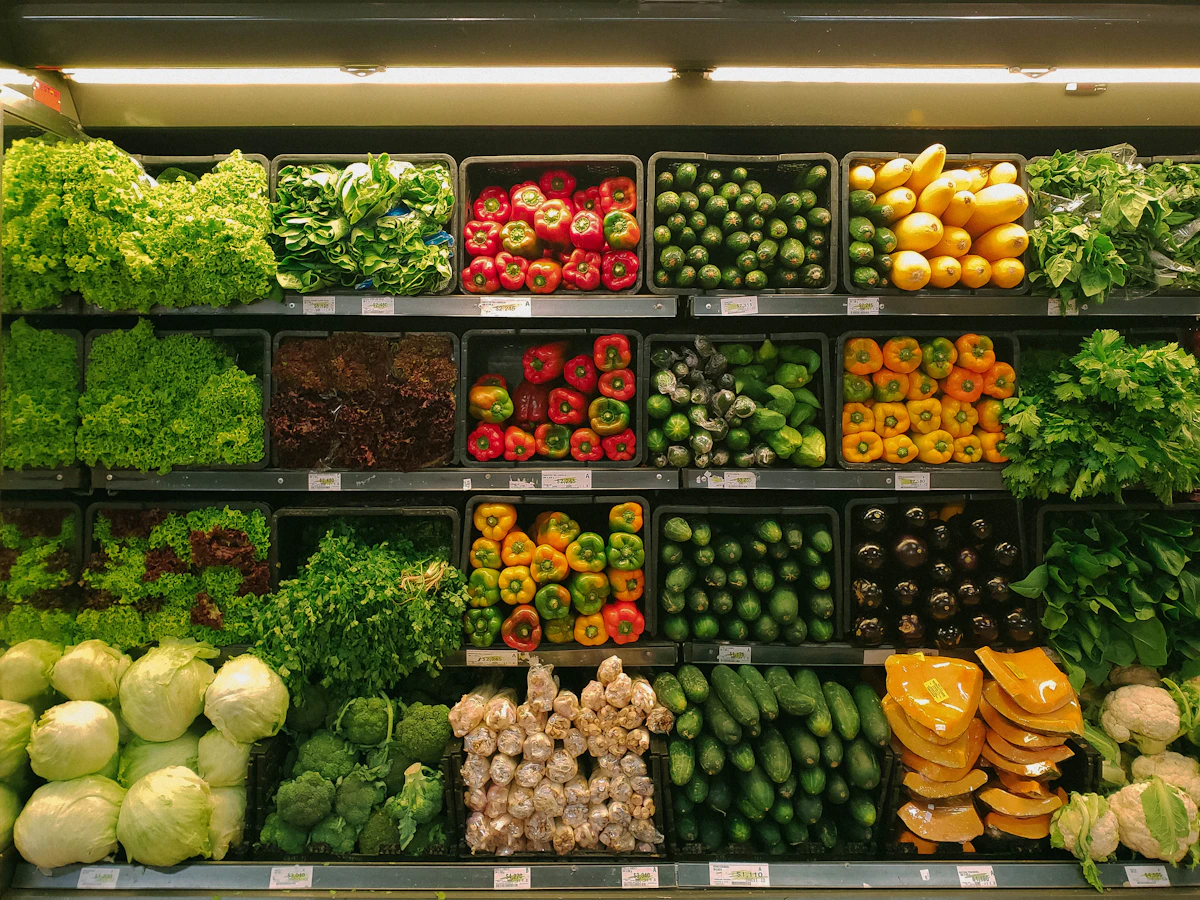
Food is one of the largest flexible costs in most households, which makes it a good place to look for savings. The good news is that lower grocery spending does not require dull meals or strict rules. It usually comes from planning a little, wasting less, and shopping with a list. Small changes, repeated every week, often save more than a single dramatic cut that lasts only a few days.
Plan Meals Before You Shop
A short weekly plan removes the most expensive habit in food shopping: buying without knowing what you will cook. Choose three or four main meals for the week, check what you already have, and build the list around the gaps. Meals that share ingredients, such as rice dishes early in the week and a soup later, stretch fresh food further and reduce leftovers that go uneaten.
Keep the plan flexible rather than rigid. If a planned ingredient is expensive that week, swap it for a cheaper option in the same role, such as a different vegetable or a different cut of meat. The aim is to walk into the shop knowing roughly what you need, so impulse items have less room to creep into the basket. Readers who are building a monthly budget that survives real life can treat the grocery line the same way: estimate from recent months, then adjust as the pattern becomes clear.
Shop the List, Not the Store
Shopping with a list is simple advice that works because it changes the decision point. Instead of deciding in every aisle, you decide once at home, when you are calm and can see what you already own.
Compare unit prices rather than shelf prices when sizes differ, and be willing to try a store brand for everyday staples. Many staples taste the same across brands, and the saving on each item adds up across a full basket. Buy fresh food in amounts you will actually use before it spoils, and use frozen vegetables and fruit to fill gaps. Frozen produce keeps its quality, costs less per serving in many cases, and prevents the waste of fresh food bought with good intentions.
Use What You Buy
Waste is money thrown away, so using food fully is one of the most effective savings of all. Store leftovers promptly, label them, and plan a leftover meal into the week. Cooked grains, roasted vegetables, and soups often taste better the next day, and they make quick lunches that replace more expensive bought meals.
Keep a simple pantry of basics such as rice, pasta, beans, canned tomatoes, and cooking oil, so a meal can always be made from what is at home. When the pantry is stocked, an unplanned busy evening does not have to become an expensive takeaway. Over a month, fewer wasted items, fewer impulse buys, and fewer emergency meals can lower the grocery bill noticeably, while the food on the table stays varied and satisfying.