
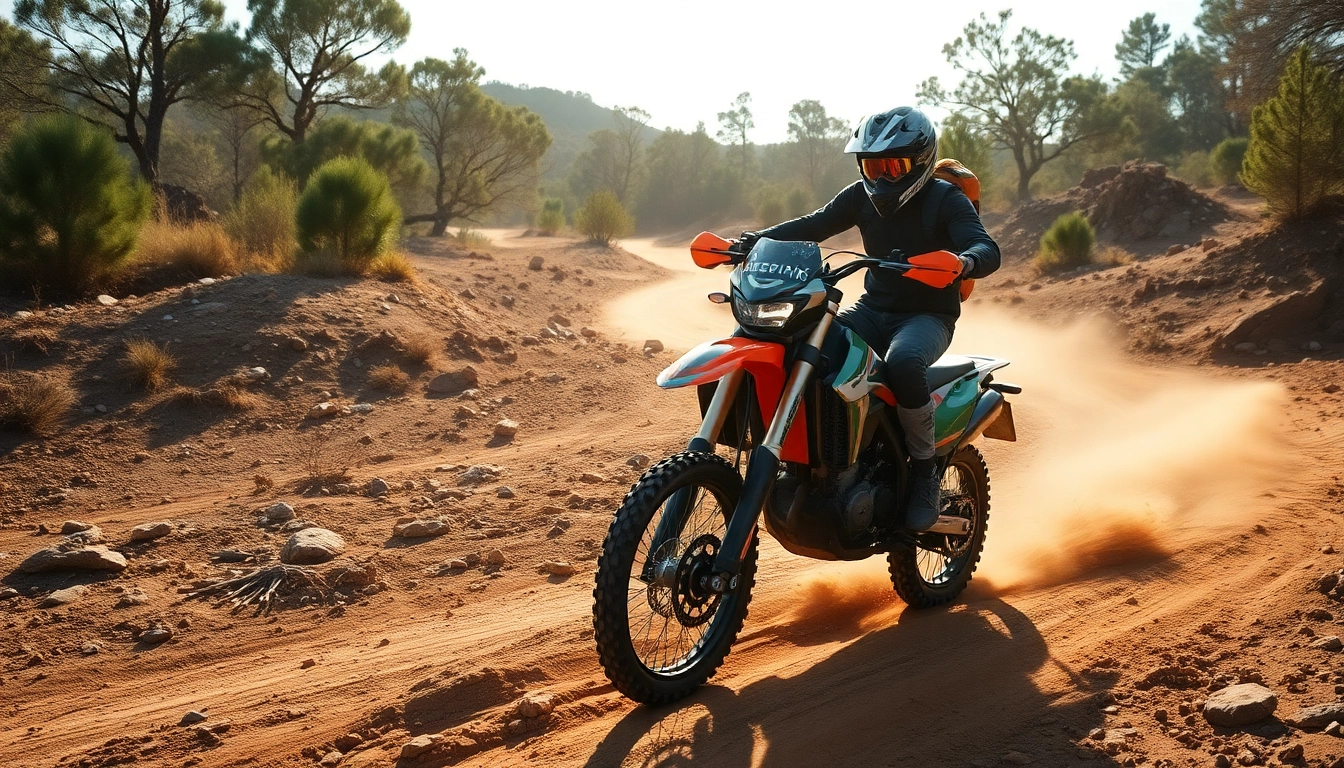
Understanding Off-Road Motorcycling
What is Off-Road Motorcycling?
Off-road motorcycling involves riding motorcycles on rough terrains, away from paved streets. This genre of motorsport is distinguished by its diverse environments, including trails, deserts, and wooded paths. Riders are often drawn to off-road motorcycling for the thrill of adventure and the unique challenges these terrains present, such as navigating obstacles and varying terrain conditions. Engaging in this sport requires not only physical stamina but also mental agility and a good understanding of the motorcycle's capabilities.
Importance of Choosing the Right Bike
Selecting the right motorcycle is crucial for both safety and performance in off-road conditions. An inappropriate bike can lead to discomfort, reduced control, and even accidents. Each motorcycle is designed with specific features that cater to certain riding styles and environments. Therefore, understanding what makes a bike suitable for off-road riding is essential. Riders must consider factors such as the bike's weight, engine size, and suspension systems to ensure optimal performance on rugged terrains.
Overview of Different Off-Road Bike Types
There are several types of off-road motorcycle categories, each tailored for specific riding styles and terrains. Here’s a brief overview:
- Enduro Bikes: Designed for long-distance racing, they are lightweight and built for durability on tricky trails.
- Motocross Bikes: Optimized for racing on closed courses, featuring high suspension and quick acceleration.
- Trail Bikes: Versatile options for both beginners and seasoned riders, ideal for various terrains and conditions.
- Dual-Sport Bikes: Street-legal models that allow for both off-road and everyday road riding, merging convenience with functionality.
Evaluating Your Riding Style
Identifying Your Riding Preferences
Before investing in a bike, it’s important to assess your riding style and preferences. Are you inclined towards casual trail rides, or do you seek the adrenaline rush of technical challenges and racing? Each rider’s preference will dictate the type of motorcycle that will best serve their needs. Taking the time to define your riding style plays a vital role in ensuring you select a bike that resonates with your experience and expectations.
Understanding Capability Requirements
Every motorcycle model comes with its own set of capabilities geared towards specific terrains and riding scenarios. Factors like engine power, suspension travel, and tire types directly influence performance in off-road conditions. Beginners might benefit from bikes that prioritize ease of handling and stability, while more experienced riders may be able to handle bikes offering heightened performance for aggressive riding.
Assessing Experience Level for Bike Selection
Your level of experience fundamentally impacts your choice of motorcycle. For novice riders, it is wise to start with lighter, more manageable bikes that help build skills without overwhelming challenges. Conversely, experienced riders might opt for higher-powered models, equipped to tackle challenging off-road environments. Recognizing your experience level will aid in selecting a bike that complements your skill set while fostering growth as a rider.
Features to Consider When Choosing a Bike
Engine Size and Power
The engine size is one of the most significant features to consider when selecting an off-road motorcycle. For example, smaller engines may provide adequate power for lighter bikes designed for beginners, while larger engines can offer formidable horsepower needed for demanding terrains. Riders should evaluate their comfort and control with different engine sizes, prioritizing those that fit their skill level and riding ambitions.
Suspension and Handling Characteristics
A motorcycle's suspension plays a critical role in its overall performance and handling capabilities. Off-road motorcycles typically feature longer suspension travel, which enables improved handling over uneven surfaces and allows for better stability when navigating obstacles. Riders should consider how suspension affects rider comfort and bike control for the type of terrains they expect to ride on.
Weight and Size of the Motorcycle
The weight and size of a motorcycle can significantly impact a rider's ability to control and operate the bike. Lighter bikes tend to be easier to handle, especially for novice riders. Additionally, overall size affects the bike's maneuverability in tight spaces, which is common in off-road settings. It is essential to choose a motorcycle that feels comfortable to ride and suits your physical size, allowing for both performance and safety.
Popular Brands and Models for Off-Road Bikes
Top Brands in the Industry
In the realm of off-road motorcycles, several brands stand out due to their reputation for quality and innovation. While specific brands are not highlighted here, the market is filled with options that cater to varying preferences, budgets, and performance expectations. Consistently researching reviews from fellow riders can provide insight into which brands are synonymous with reliability and performance.
Feature Comparison Among Popular Models
When exploring different bike models, it's beneficial to compare features such as engine specifications, weight distributions, and suspension system designs. Each model will have unique selling points, and understanding these can assist in making an informed decision that aligns with your riding preferences. Creating a comparative matrix of features can simplify the selection process and clarify your priorities.
User Reviews and Recommendations
Engaging with the off-road biking community can yield invaluable insights into various motorcycles. User reviews from forums, social media groups, and bike clubs often reflect real-world experiences and satisfaction levels with specific models. Pay special attention to feedback on performance in actual riding conditions, maintenance requirements, and any common issues that might arise with certain bikes.
Safety Tips and Best Practices for Off-Road Riding
Essential Safety Gear for Riders
Safety gear is paramount when engaging in off-road motorcycling. Key items include:
- Helmet: A quality helmet protects against head injuries and should meet safety standards for off-road use.
- Protective Clothing: Durable clothing like jackets and pants need to be specifically designed for off-road riding, equipped with padding.
- Boots: Sturdy, ankle-high boots are vital for protection and stability while riding.
- Gloves: These enhance grip and protect hands from abrasions.
Basic Riding Techniques for Beginners
For beginners, mastering basic riding techniques can build confidence and skills on off-road terrains. It’s wise to practice the following:
- Body Positioning: Proper posture can enhance control and balance while navigating rough paths.
- Throttle Control: Smooth throttle inputs can help maintain traction on slippery surfaces.
- Braking Techniques: Understanding front and rear brake applications is crucial for instilling control while descending steep trails or navigating obstacles.
Maintenance Tips for Off-Road Bikes
Keeping your motorcycle in prime condition is vital for both performance and safety. Regular maintenance should include:
- Checking tire pressure and tread wear.
- Regular oil changes based on usage frequency.
- Cleaning and maintaining the chain and sprockets.
- Inspecting brake pads and cables for wear.
By dedicating time to routine maintenance, riders can significantly extend the life of their off-road motorcycles while ensuring optimal performance during rides. For additional resources, you may find useful information and community insights at https://relevance.com.ua.