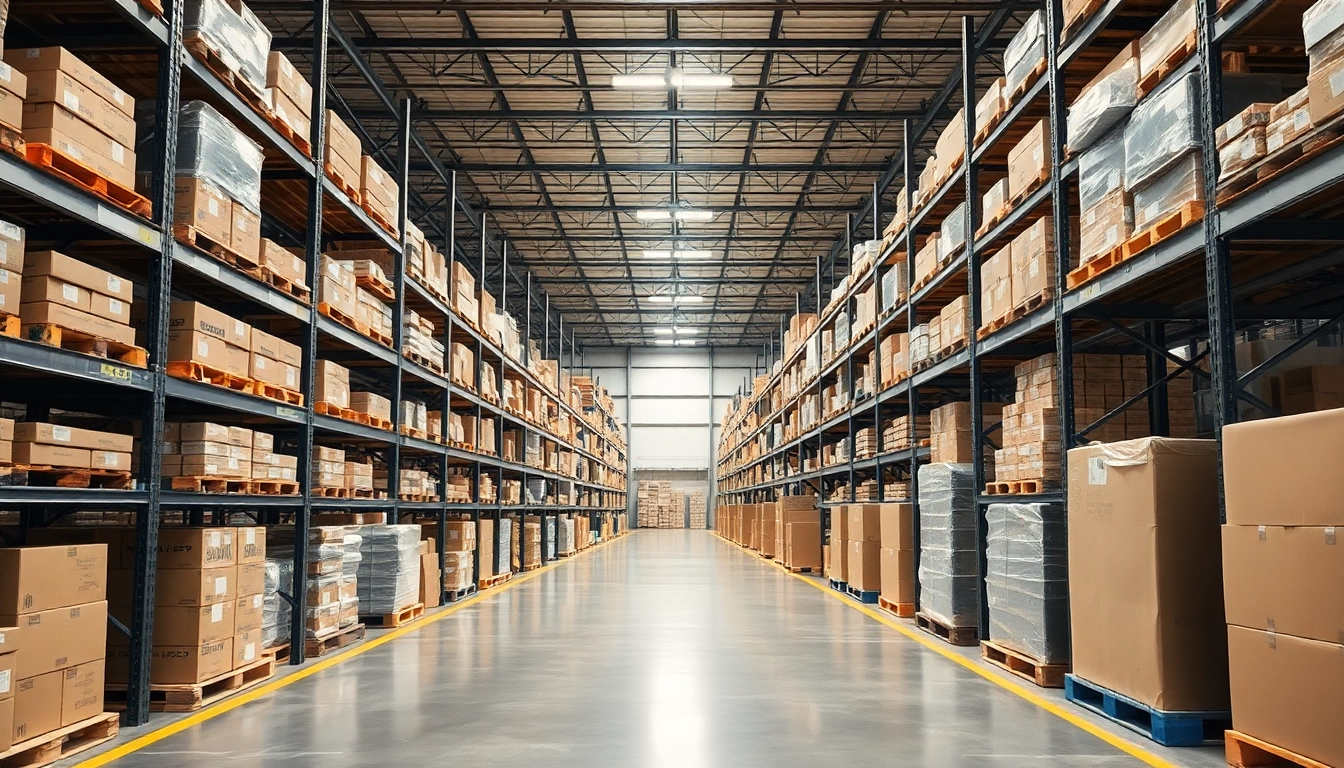
Understanding Warehousing Basics
Warehousing is a critical component of supply chain management, acting as the backbone for businesses that require the storage and distribution of goods. As demand for efficient logistics and rapid delivery increases, understanding the intricacies of warehousing becomes essential for business success. This comprehensive guide will delve into the fundamentals of warehousing, its various types, best practices, common challenges, and future trends shaping the industry.
What is Warehousing?
At its core, warehousing is the process of storing goods in a dedicated space until they are needed for distribution and sale. It involves the organized management of storing products, ensuring they are held safely and securely. Warehousing facilities vary in size and function, from large distribution centers serving multiple retailers to smaller storage units catering to localized needs. The role of a warehouse is multifaceted, encompassing the receipt, storage, and dispatch of goods, which ensures that businesses can meet the demands of their customers efficiently.
Key Functions of Warehousing
Warehousing serves several vital functions within supply chains:
- Storage: The primary function of any warehouse is to store goods. This can involve short-term storage for seasonal demand or long-term holds for infrequently sold items.
- Inventory Management: Warehouses help businesses manage their inventory levels effectively, ensuring that stock is available when needed without overstocking, which can inflate costs.
- Order Fulfillment: Efficient warehousing allows for quicker order processing and fulfillment, which is crucial for customer satisfaction and retention.
- Warehousing Services: Many warehousing facilities offer additional services such as packaging, labeling, and assembly which can be value-added processes for businesses.
- Distribution: Warehouses often serve as distribution hubs, facilitating the transfer of goods to retail locations or directly to consumers.
The Importance of Warehousing in Supply Chains
Warehousing plays a pivotal role in the supply chain by acting as a buffer between manufacturing and retail. It significantly influences a company's ability to respond to market demands, manage inventory levels, and maintain smooth operational flow. Key benefits include:
- Improved Efficiency: Centralized storage leads to more streamlined inventory management and faster order fulfillment.
- Cost-effectiveness: By optimizing warehousing operations, businesses can reduce costs associated with shipping and inventory management.
- Enhanced Customer Service: Quick access to products and faster delivery times enhance customer satisfaction and loyalty.
Types of Warehousing Solutions
Public and Private Warehousing
Warehousing solutions can be categorized into public and private facilities:
- Public Warehousing: These are warehouses operated as independent businesses offering storage services to various customers. They are ideal for companies looking for flexible storage solutions without heavy investments in infrastructure.
- Private Warehousing: These facilities are owned and operated by a single company, often utilized for long-term needs. They typically provide more control over operations but require significant upfront investment.
Automated vs. Manual Warehousing
The choice between automated and manual warehousing greatly impacts operational efficiency. Automated warehousing leverages technology for tasks like storage retrieval and inventory management, leading to faster response times and lower labor costs. Conversely, manual warehousing relies on human labor, which may be less efficient but can adapt more easily to variable conditions.
Temperature-Controlled Warehousing
Temperature-controlled warehousing is essential for specific industries, such as food and pharmaceuticals, where product integrity must be maintained. These facilities are designed to keep goods within a certain temperature range, preventing spoilage and ensuring compliance with health regulations.
Best Practices for Warehousing Efficiency
Optimizing Storage Layouts
An efficient warehouse layout is crucial for maximizing space and improving the speed of operations. Strategies include:
- ABC Analysis: Categorizing inventory based on turnover rates to optimize space usage.
- Vertical Space Utilization: Making use of vertical storage solutions like shelving systems to enhance storage capacity.
- Clear Pathways: Keeping aisles clear to facilitate easy access and reduce the risk of accidents.
Inventory Management Techniques
Effective inventory management practices are critical to successful warehousing operations. Techniques include:
- Just-in-Time (JIT) Inventory: Minimizing stock on hand to reduce holding costs while meeting demand.
- Cycle Counting: Regularly inspecting a subset of inventory, rather than performing a complete audit, to maintain accuracy.
- Inventory Management Software: Implementing solutions that provide real-time data and analytics for better decision-making.
Utilizing Technology in Warehousing
Technology plays a transformative role in modern warehousing. Innovations such as RFID, barcoding, and warehouse management systems (WMS) enhance accuracy and efficiency. Other technological advancements include:
- Automated Guided Vehicles (AGVs): Streamlining movement within warehouses for order fulfillment and transportation.
- Cloud-Based Solutions: Enhancing collaboration and accessibility of data across the supply chain.
- IoT and Smart Warehousing: Using sensors and devices for real-time data analysis and operational oversight.
Challenges Faced in Warehousing Operations
Common Operational Issues
Several challenges can arise in warehousing, hindering efficiency and productivity. These include:
- Space Limitations: As demand fluctuates, warehouses may struggle to accommodate inventory.
- Labor Shortages: Finding skilled labor can be a significant hurdle, especially in a competitive job market.
- Technological Integration: Complications in implementing technology can slow down operations.
Dealing with Inventory Loss and Damage
Inventory loss through damage or theft is a pressing concern for warehousing operations. Employing robust security measures, conducting regular inventory audits, and investing in quality packing materials can help mitigate risks. Additionally, staff training for handling products can significantly reduce the occurrence of damage.
Regulatory Compliance in Warehousing
Warehousing operations must comply with a variety of regulations, including safety laws and health codes. Staying informed about changes to these regulations and implementing ongoing training programs for staff can ensure compliance and protect the business from liabilities.
Future Trends in Warehousing
Sustainability Practices in Warehousing
As environmental concerns become increasingly prominent, sustainable practices in warehousing are gaining traction. Companies are exploring options such as:
- Green Building Initiatives: Constructing environmentally friendly warehouses that use sustainable materials and practices.
- Energy-Efficient Operations: Implementing energy-saving technologies, such as LED lighting and solar panels, to minimize carbon footprints.
- Waste Reduction Programs: Engaging in recycling and waste management initiatives to promote sustainability.
Impact of E-commerce on Warehousing
The rise of e-commerce has dramatically changed warehousing dynamics, with increased demand for rapid fulfillment and flexible distribution solutions. To adapt, businesses are focusing on:
- Micro-Fulfillment Centers: Establishing smaller, localized warehouses within urban areas to meet expedited delivery expectations.
- Omni-channel Strategies: Integrating various sales channels to create a seamless customer experience.
- Enhanced Personalization: Utilizing data analytics to tailor inventory based on consumer behavior.
Emerging Technologies in Warehousing
Technological advancements continue to reshape the warehousing landscape. The emergence of artificial intelligence (AI), machine learning, and other innovations promises to enhance operational efficiencies. Key technologies include:
- AI-Powered Analytics: Offering predictive insights that inform inventory management and optimize supply chain processes.
- Robotic Process Automation (RPA): Automating repetitive tasks to enhance labor productivity.
- Blockchain Technology: Providing greater transparency and security in tracking inventory through the supply chain.
Understanding the complexities of warehousing is essential for businesses looking to enhance their supply chain operations. As the industry evolves, staying informed about best practices, challenges, and technological advancements will be critical to maintaining a competitive edge in the market.