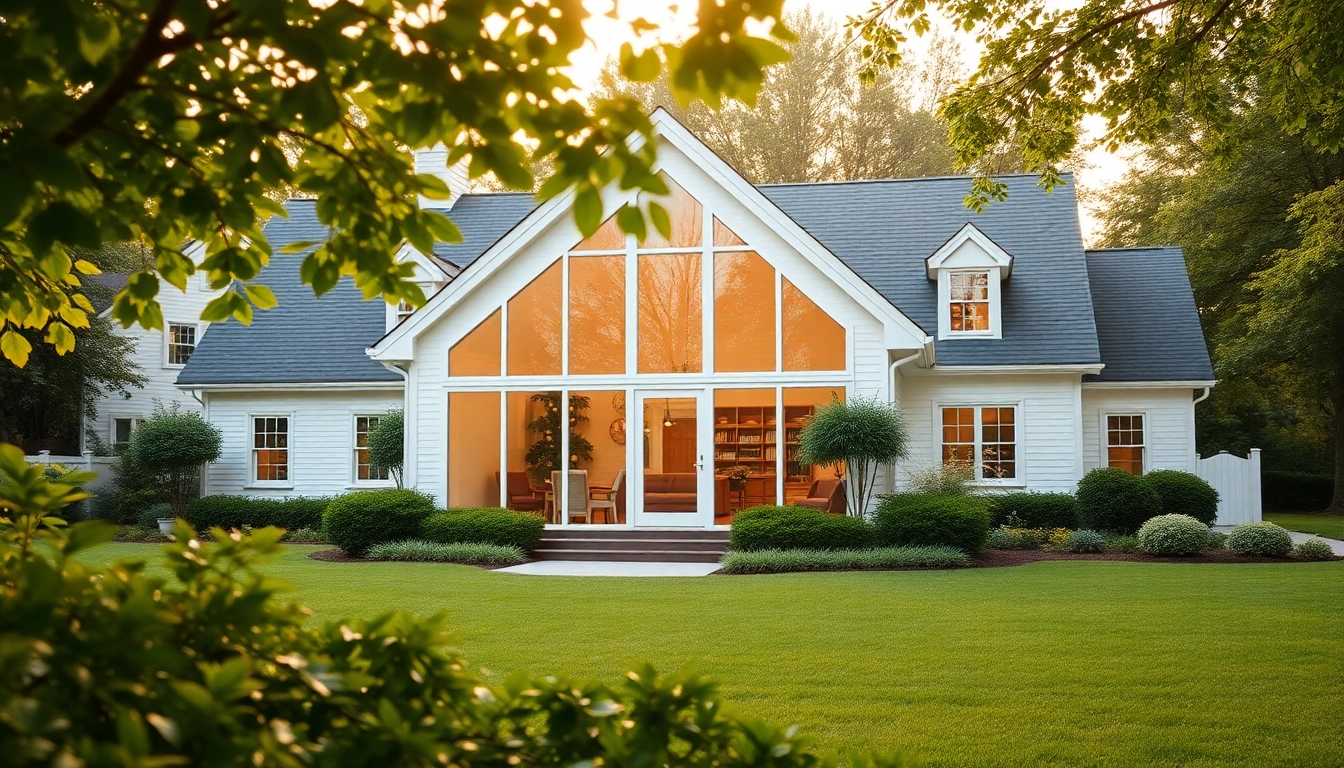
Understanding Cape Style Home In-Law Addition
The addition of an in-law suite to a home is becoming a practical yet stylish solution for many families as they seek to accommodate aging parents or extended family members. Specifically, a Cape Style Home In-Law Addition distinguishes itself not only through functionality but also through the classic aesthetic that comes with Cape architecture.
Key Features of Cape Style Architecture
Historically, Cape style homes are characterized by their steep roofs, symmetrical façade, and dormer windows. These characteristic elements contribute to a cozy and inviting atmosphere. Some key features include:
- Steep Roofs: Typically, the roof is sharply pitched, making the upper levels conducive for the addition of usable spaces, such as bedrooms or a small living area.
- Central Front Door: The placement of a centered front door emphasizes balanced proportions, creating an aesthetically pleasing entrance.
- Dormer Windows: Often added to upper levels, dormers can provide additional light and headspace, ideal for an in-law suite.
- Wooden Siding: This traditional siding offers a warm, rustic feel that can be complemented with contemporary design elements for the in-law addition.
These features provide a canvas to work with when planning modern functionalities into the existing architecture without detracting from its classic appeal.
Benefits of an In-Law Addition
Adding an in-law suite offers multiple benefits, enhancing both living conditions and property value:
- Increased Space: In-law additions provide extra space without the need to move, accommodating family needs as they evolve.
- Cost Efficiency: By integrating family members into a single household, families can save on costs associated with separate living facilities.
- Accessibility: An in-law addition can be designed to meet the needs of older adults, featuring wider doorways and no-step entries.
- Guest Accommodations: An in-law suite can also serve as a guest area when not in use, enhancing the home’s appeal for visitors.
Design Considerations for Your Addition
When designing an in-law addition, there are numerous elements that must be taken into consideration to ensure it meets both practical needs and aesthetic standards:
- Private Entrance: Consider including a separate entrance to maintain privacy for both the family and the in-laws.
- Self-Sufficiency: Full amenities such as a small kitchen and bathroom can provide independence for in-laws while integrating them into the main household.
- Natural Light: Strategically placed windows can enhance the living experience, promoting a positive atmosphere within the suite.
- Design Cohesion: The addition should blend harmoniously with the existing structure to preserve the Cape style aesthetic.
Planning Your Cape Style Home In-Law Addition
Effective planning is essential in ensuring that your Cape Style Home In-Law Addition is executed smoothly and within your intended budget and timelines. Here’s how to tackle the process:
Setting a Budget and Timeline
Establishing a realistic budget and timeline is critical in the planning phase. Consider the following:
- Detailed Budgeting: Break down costs into materials, labor, permits, and unexpected expenses to form a comprehensive budget.
- Cost of Materials: Utilize cost-effective materials without sacrificing quality to remain within budget constraints.
- Timeline Estimation: Create a project timeline, allowing for contingencies that might arise during the building process.
Navigating Local Building Codes
Before starting your project, familiarize yourself with local building codes and zoning regulations that might affect your in-law addition:
- Permitting Process: Identify necessary permits to avoid penalties that could arise from unapproved alterations.
- Consult Local Authorities: Local building departments can offer guidance to ensure your project meets all safety and legal requirements.
- Inclusion of Accessibility Features: Special codes may apply if your in-law suite is designed for accessibility purposes.
Choosing the Right Contractors
Selecting experienced contractors is essential for the success of your project. Consider these tips:
- Research and Referrals: Seek recommendations from family and friends or consult local organizations to find respected contractors.
- Interview Candidates: Pose questions regarding past projects to assess their ability and alignment with your vision.
- Check References: Contact prior clients to gain insight into the contractor’s reliability and quality of work.
Designing the Interior of Your In-Law Addition
An in-law addition must be designed with comfort and functionality in mind. The following considerations can help guide your interior design decisions:
Maximizing Space and Functionality
Every square foot counts. Use design strategies that maximize both space and functionality:
- Open Floor Plans: An open layout can make small spaces feel larger, allowing for easier movement and interaction.
- Multi-Functional Furniture: Invest in pieces that serve multiple purposes, such as a sofa bed for guests or a foldable dining table.
- Efficient Storage Solutions: Incorporate built-in storage options to keep the space organized and clutter-free.
Selecting Color Schemes and Decor
The right color palette and decor contribute significantly to the atmosphere of an in-law suite:
- Neutral Tones: Utilize neutral colors to evoke a sense of calmness and make spaces feel larger and airier.
- Personal Touches: Encourage personalization while maintaining a cohesive design—framed family photographs or mementos can add warmth.
- Natural Elements: Incorporating wood, stone, and other natural materials can create a relaxing environment that complements the Cape style.
Incorporating Smart Home Features
Today’s in-law suites can benefit from smart home technology for increased convenience and security:
- Smart Thermostats: Controlled temperature helps maintain comfort, reducing energy bills.
- Security Systems: Advanced lock systems and surveillance options provide peace of mind for residents.
- Voice-Activated Assistants: Great for hands-free assistance with daily tasks, these systems can also help residents manage their schedules.
Enhancing Curb Appeal of the Addition
Creating an attractive entryway and exterior for your in-law addition is critical to maintaining the overall appeal of your Cape Style home:
Exterior Design Elements to Consider
Choose exterior designs that harmonize with your existing home while adding uniqueness to your addition:
- Consistent Roofing: Maintain roof materials and pitches comparable to your main structure for visual consistency.
- Architectural Details: Features like shutters, window boxes, and decorative moldings can enhance charm.
- Porches and Decks: Adding outdoor spaces can create a welcoming atmosphere while providing additional enjoyment.
Landscaping Ideas for Aesthetic Appeal
Thoughtful landscaping can improve the overall appearance of the addition:
- Enhancing Entryways: Plant flowers or shrubs around the entrance to create an inviting atmosphere.
- Walking Paths: Established pathways can guide visitors to the in-law suite while maintaining the overall structure's coherence.
- Outdoor Seating: Create areas where family members can enjoy the outdoors, improving the suite's livability.
Sustainable Materials for Energy Efficiency
Opting for sustainable and energy-efficient building materials benefits both your home and the environment:
- Recycled Materials: Using reclaimed wood or recycled steel is an eco-friendly option that adds character.
- Energy-Efficient Windows: High-quality windows minimize heating and cooling costs while allowing natural light.
- Insulation: Proper insulation can enhance energy efficiency, contributing to comfort and lower utility bills.
Frequently Asked Questions about Cape Style Home In-Law Addition
What is a Cape Style Home?
A Cape Style Home is a classic American architectural style known for its simple design, steep roofs, and dormer windows. Characterized by symmetry, it often features a central entrance.
How much does an In-Law Addition cost?
The cost of an In-Law Addition varies widely based on size and finishes, ranging from $50,000 to $150,000. Consult with contractors for more precise estimates.
Are permits required for building an addition?
Yes, most jurisdictions require building permits for additions. It's crucial to check local regulations to ensure compliance and avoid fines.
How long does it take to build an In-Law Addition?
The timeline for constructing an In-Law Addition typically lasts between three to six months, depending on the size and complexity of the project.
What features are essential in an In-Law Addition?
Essential features include a private entrance, kitchenette, full bathroom, and living area. These ensure comfort and independence for in-laws or guests.