
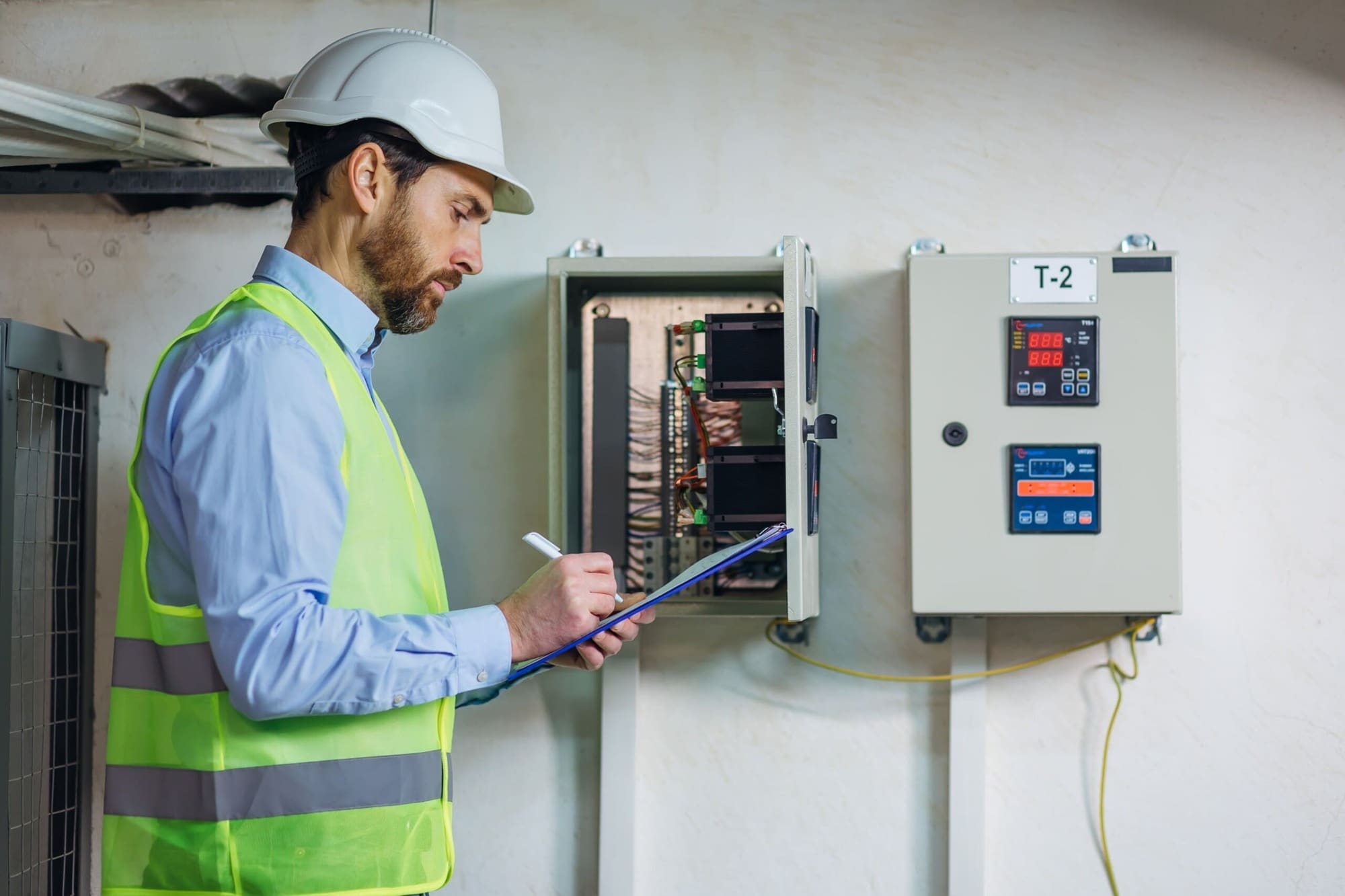
An electrical home inspection is an essential step for homeowners to ensure the safety, efficiency, and reliability of their electrical system. Whether you are buying a new home, renovating, or simply maintaining your property, understanding what an electrical inspection entails can save you from costly repairs and potential hazards. This checklist outlines what homeowners should expect during a professional electrical home inspection.
Why an Electrical Home Inspection Is Important
A professional electrical home inspection helps identify hidden problems in your home's wiring, outlets, and electrical panels. Faulty wiring, outdated systems, or overloaded circuits can pose serious risks, including electrical fires. A thorough inspection ensures that your home meets safety standards, provides peace of mind, and maintains the value of your property. Regular inspections are especially critical for older homes or those with extensive renovations.
Scheduling Your Electrical Home Inspection
Before the inspection, schedule a professional with proper licensing and experience in residential electrical systems. Homeowners should prepare by ensuring easy access to the electrical panel, outlets, and any exposed wiring. Inform the inspector of any known issues or previous electrical work. A professional electrical home inspection typically takes one to two hours, depending on the size of the home and complexity of the electrical system.
Inspecting the Electrical Panel
The electrical panel is the heart of your home's wiring. During an electrical home inspection, the inspector will check for:
Proper Labeling and Circuit Organization
Every breaker should be clearly labeled to indicate which areas of the home it controls. Mislabeling can create confusion during emergencies or repairs.
Signs of Overheating or Corrosion
Inspectors look for discoloration, rust, or burn marks on breakers and wiring connections. These signs indicate potential hazards that require immediate attention.
Adequate Capacity
An outdated panel may not handle modern energy demands. Upgrading may be necessary to prevent circuit overloads and ensure safe electrical distribution.
Evaluating Outlets and Switches
A comprehensive electrical home inspection includes checking all outlets and switches for functionality and safety. Inspectors look for:
Proper Grounding
Grounded outlets protect against electrical shock and are mandatory in kitchens, bathrooms, and outdoor areas.
GFCI and AFCI Protection
Ground Fault Circuit Interrupters (GFCIs) and Arc Fault Circuit Interrupters (AFCIs) are crucial safety devices. Inspectors verify that they are installed where required and function correctly.
Visible Damage
Cracked outlets, loose connections, or burnt marks are signs of electrical problems that need repair.
Assessing Wiring and Cables
Wiring issues are often hidden but can lead to significant risks. During an electrical home inspection, the inspector checks:
Type and Age of Wiring
Older wiring, such as knob-and-tube or aluminum, may be unsafe and require replacement. Modern copper wiring is preferred for safety and efficiency.
Proper Installation
Inspectors ensure wires are secured, protected from moisture, and routed correctly through walls and ceilings.
Overloaded Circuits
Too many appliances on a single circuit can cause overheating. The inspector identifies circuits at risk and recommends upgrades if needed.
Testing Electrical Appliances and Fixtures
An electrical home inspection often includes testing major appliances, lighting fixtures, and ceiling fans. Inspectors look for:
Proper Operation
Ensuring all devices function safely and without tripping breakers.
Signs of Wear
Frayed cords, sparking, or unusual noises indicate potential hazards.
Energy Efficiency
Inspectors may note inefficient systems that could be upgraded to save on electricity bills.
Outdoor Electrical Inspection
Safety extends beyond the walls of your home. The inspection also covers:
Exterior Outlets
Properly grounded, weatherproof outlets prevent electrical shock outdoors.
Lighting and Security Systems
Inspectors check that outdoor lighting, landscape lighting, and security systems are installed correctly and function reliably.
Service Entrance
The point where electricity enters your home is checked for corrosion, damage, and secure connections.
Preparing for the Inspection Report
After completing the electrical home inspection, the inspector provides a detailed report highlighting:
- Any safety hazards or code violations
- Recommended repairs or upgrades
- Maintenance tips to prevent future problems
Homeowners should review this report carefully and prioritize repairs based on safety risks and budget.
Maintaining Electrical Safety
Following an electrical home inspection, homeowners should schedule routine inspections every few years or after major renovations. Keeping up with maintenance, replacing outdated wiring, and installing safety devices like GFCIs and AFCIs ensures your home remains safe and compliant with electrical codes.
Conclusion
A professional electrical home inspection is an invaluable investment in your home’s safety and longevity. From the electrical panel to wiring, outlets, and outdoor connections, a thorough inspection identifies hidden hazards and ensures everything operates efficiently. Homeowners who follow a detailed electrical home inspection checklist can prevent accidents, reduce repair costs, and enjoy peace of mind knowing their home is electrically sound. Trust Revamp Electric to guide you through the process and provide expert inspections tailored to your home’s unique needs.