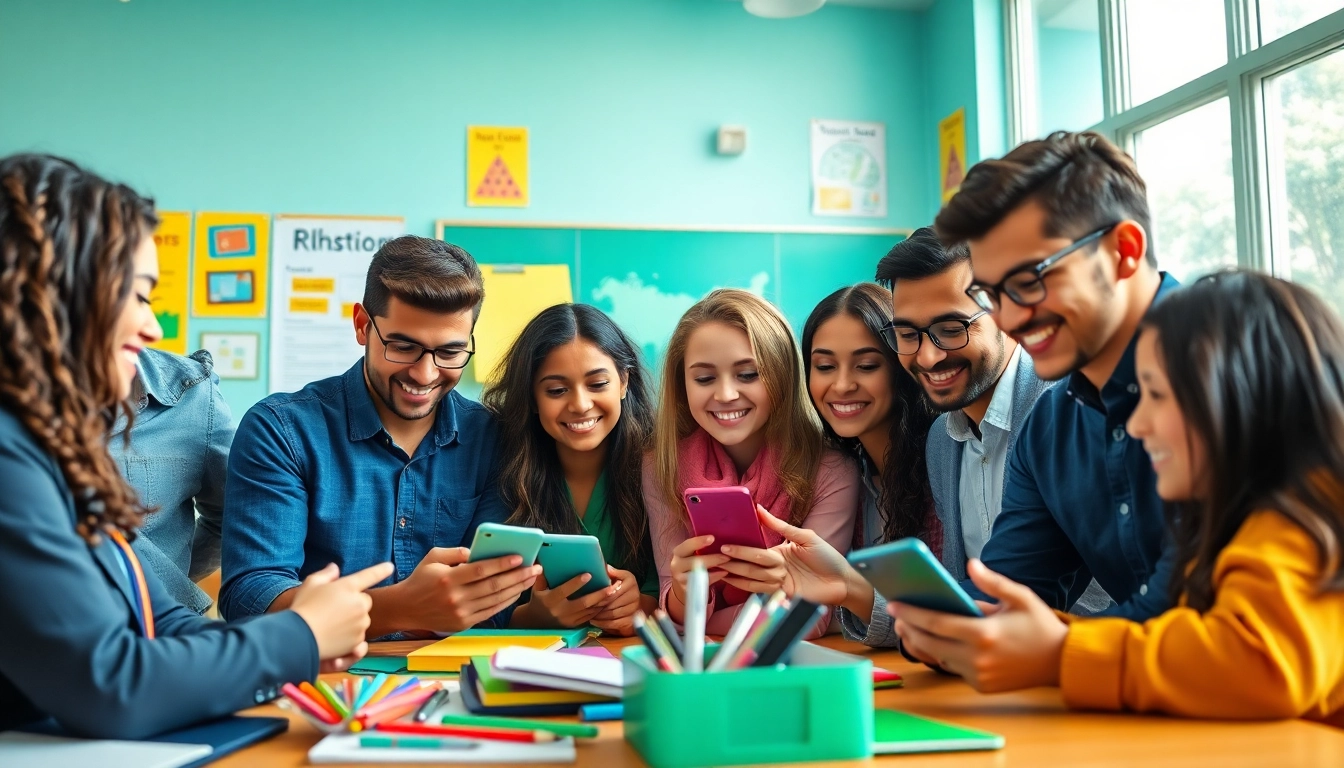
Introduction to Smartphone Solution in School Life
In recent years, the integration of technology into education has been transformative, reshaping how students learn and engage with their school environment. A key component of this evolution is the smartphone solution in school life, which streamlines communication, enhances educational experiences, and fosters innovative learning. This article explores the concept, benefits, challenges, best practices, and remarkable case studies showcasing the positive impact of smartphones in educational settings.
Understanding the Concept of Smartphone Solutions
Smartphone solutions encompass the use of mobile devices as tools for learning and communication within educational institutions. These solutions utilize various applications and digital resources to enhance academic practices, facilitate interaction, and provide easy access to information. As smartphones have become ubiquitous, their role in school life continues to expand, presenting unique opportunities and challenges for educators and students alike.
Importance of Technology in Education
Technology plays a pivotal role in modern education, serving as a catalyst for both teaching and learning processes. By leveraging smartphones, educators can provide immediate feedback, tailor learning experiences to individual needs, and incorporate multimedia resources that cater to different learning styles. This technological integration encourages critical thinking, problem-solving skills, and fosters a collaborative learning environment.
Overview of Current Trends in Mobile Learning
Mobile learning, or m-learning, presents a suite of opportunities that embrace the advantages of smartphone technology. Current trends include the use of educational apps, improved connectivity, and access to vast online resources. Furthermore, mobile learning promotes flexibility, allowing students to engage with coursework anytime and anywhere. This dynamic shift not only enhances learning outcomes but also prepares students for a technology-driven world.
Benefits of Smartphone Solutions in Education
Enhanced Communication Among Students and Teachers
Smartphones bridge the gap between students and teachers, providing various communication channels for queries, feedback, and collaboration. Messaging apps and educational platforms allow for seamless interaction and timely responses that encourage student participation. By fostering an open communication environment, students feel empowered to seek help, share ideas, and collaborate on projects more effectively.
Access to Resources and Learning Materials
With smartphones, students gain immediate access to an array of online learning resources, including eBooks, articles, podcasts, and educational videos. This on-demand availability promotes self-directed learning and research skills, allowing students to delve deeper into subjects and explore areas of interest. Access to diverse materials also caters to different learning styles, enriching the educational experience for all learners.
Boosting Student Engagement and Motivation
Utilizing smartphone solutions in school life can significantly boost student engagement and motivation. Interactive learning applications gamify educational content, making lessons more appealing. Moreover, utilizing multimedia content such as videos and interactive quizzes can capture students' attention, sustaining their interest in learning activities. A motivated student is more likely to excel academically and participate wholeheartedly in class discussions.
Challenges of Implementing Smartphone Solutions in Schools
Digital Distractions in the Classroom
While smartphones offer numerous benefits, they also present challenges related to distractions. Social media, games, and non-educational apps can divert students’ attention during lessons. Creating a focused learning environment is paramount, requiring educators to set boundaries for smartphone usage and develop strategies to minimize distractions.
Equity and Access to Technology
Equity in technology access remains a pressing issue, as not all students have equal opportunities to utilize smartphones in school. Ensuring that all students have access to the same resources, including device availability and internet connectivity, is critical to bridging the digital divide. Schools must explore solutions such as lending programs and community partnerships to enhance equitable access.
Addressing Cybersecurity Concerns
Cybersecurity is a significant concern when integrating smartphones in education. Students may inadvertently be exposed to inappropriate content or online threats. Therefore, it is essential to implement strong cybersecurity protocols, educate students about prudent online behaviors, and monitor device usage to protect their safety and privacy while fostering digital literacy skills.
Best Practices for Integrating Smartphones into School Life
Creating a Structured Mobile Learning Environment
To maximize the benefits of smartphones, schools must establish a structured mobile learning environment. This includes defining clear guidelines for smartphone use, integrating apps that align with learning objectives, and developing classroom activities that leverage smartphone capabilities. By creating a structured approach, educators can maintain educational integrity while facilitating innovative learning experiences.
Encouraging Responsible Use of Smartphones
Promoting responsible smartphone usage among students is fundamental. This can be achieved through educational initiatives that focus on digital citizenship, including respectful communication, content evaluation, and personal security measures. Engaging students in discussions about appropriate smartphone conduct prepares them to use technology effectively and responsibly.
Training Educators to Utilize Smartphone Solutions
Teacher training is crucial to ensure that educators can effectively integrate smartphone solutions into their teaching methods. Professional development programs should cover topics such as mobile learning strategies, app selection, and maintaining classroom engagement. By empowering educators with the necessary skills and knowledge, schools can create a robust support system for student learning.
Case Studies and Success Stories
Successful Smartphone Programs in Schools
Several schools have successfully implemented smartphone programs that illustrate effective integration. For instance, some institutions have developed mobile learning platforms that facilitate real-time collaboration among students. These initiatives demonstrate how carefully structured smartphone use can optimize learning experiences and enhance student performance across various disciplines.
Measuring the Impact of Smartphone Solutions
Assessing the impact of smartphone solutions in education is essential to validate their effectiveness. Metrics such as student engagement levels, academic performance, and feedback from both students and teachers can gauge improvement. Schools that utilize data collection and analysis can continuously refine their smartphone integration strategies, ensuring they meet educational goals effectively.
Insights from Educators and Students
Feedback from educators and students alike can provide valuable insights into the efficacy of smartphone solutions in school life. Many educators report increased student engagement and collaboration, while students appreciate the accessibility of learning materials and the flexibility that smartphones offer. Such narratives highlight the positive changes smartphones can bring to the educational landscape.
Frequently Asked Questions
How can smartphones improve learning in schools?
Smartphones provide access to educational content, enhance communication, and facilitate collaborative projects among students.
What are the main challenges of using smartphones in classrooms?
Challenges include digital distractions, equity in access, and managing cybersecurity risks among students.
What best practices should schools follow for smartphone use?
Schools should create structured environments, encourage responsible use, and train educators on effective smartphone integration.
Are there success stories of smartphone use in education?
Yes, many schools have implemented smartphone programs that improved student engagement and demonstrated positive learning outcomes.
How can parents support smartphone use in school life?
Parents can guide responsible usage, monitor content accessed on smartphones, and engage in discussions about digital safety and etiquette.