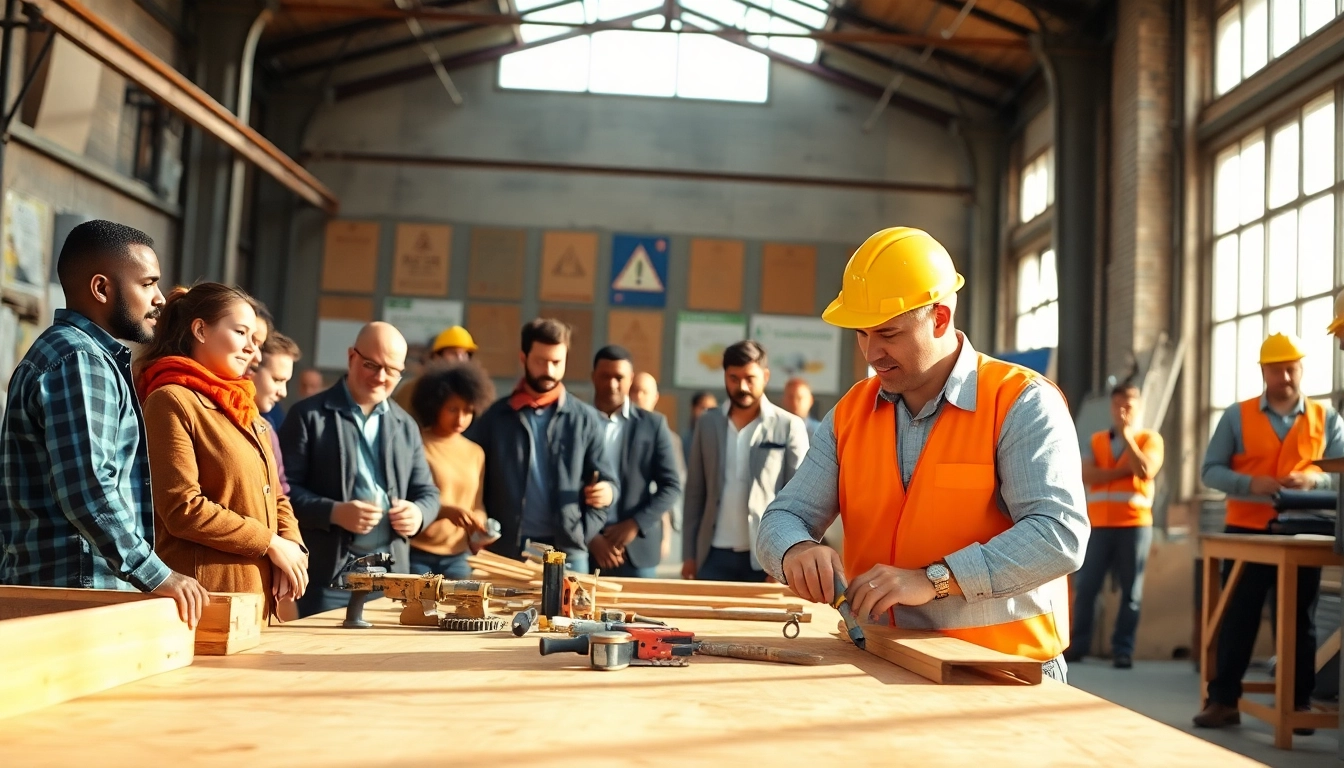
Understanding Construction Training
Construction training forms the backbone of workforce development in the building and construction industry. As the demand for skilled labor continues to grow, effective training programs play an essential role in equipping workers with the necessary skills and knowledge needed to ensure both project success and safety on job sites. This article delves into the fundamentals of construction training, highlighting its importance, key components, challenges, best practices, and future trends in the field.
What is Construction Training?
Construction training refers to a structured program designed to provide individuals with the essential skills, knowledge, and competencies required for various roles within the construction industry. This encompasses a wide range of subjects, from foundational safety protocols and regulatory compliance to specialized trades such as electrical work, plumbing, carpentry, and project management.
Importance of Safety in Construction Training
Safety is of paramount importance in construction training. The construction industry is inherently hazardous, with a higher-than-average rate of workplace injuries and fatalities. Effective training programs emphasize safety protocols, hazards identification, and the use of personal protective equipment (PPE). By embedding safety into the training curriculum, organizations not only comply with legal requirements but also foster a culture of responsibility that can prevent accidents and save lives.
Types of Construction Training Programs
There are several types of construction training programs available, each tailored to different skill levels and learning objectives. Common programs include:
- Apprenticeships: Combines hands-on experience with classroom instruction, providing a comprehensive pathway into skilled trades.
- Certifications: Credentialing programs that validate skills and knowledge in specific areas, such as OSHA safety training or project management.
- On-the-Job Training: Practical training conducted at the workplace, allowing trainees to learn under the supervision of experienced professionals.
- Workshops: Short-term training sessions focused on specific skills or knowledge areas, often led by industry experts.
- Continuing Education: Ongoing training opportunities for professionals to update their skills and knowledge, adapting to new technologies and practices.
Core Components of Effective Construction Training
Curriculum Development for Construction Training
Developing an effective curriculum is critical for successful construction training programs. A well-structured curriculum should align with industry standards, state regulations, and the specific needs of employers. It should encompass a mix of theoretical content and practical skills training. Practitioners can collaborate with industry stakeholders to identify competencies needed for different job roles, ensuring the curriculum is comprehensive and relevant.
Hands-On Learning vs. Theoretical Knowledge
A balanced approach that includes both hands-on learning and theoretical knowledge is essential in construction training. Hands-on training enables participants to apply what they’ve learned in real-world scenarios, fostering greater retention and skill competence. Meanwhile, theoretical knowledge provides the necessary context and understanding of the principles guiding practices, ensuring that trainees can make informed decisions on the job.
Assessment Techniques in Construction Training
Assessment is a vital part of construction training, allowing instructors to evaluate trainee understanding and skills acquisition. Effective assessment techniques can include written tests, practical demonstrations, and on-site evaluations. Employing a range of assessment methods not only helps gauge learner progress but also identifies areas requiring further training, facilitating a more tailored educational experience for each participant.
Challenges in Implementing Construction Training
Lack of Resources
One prevalent challenge in implementing construction training programs is a lack of adequate resources. This includes financial constraints, insufficient training facilities, and a shortage of qualified trainers. To combat these issues, industry leaders can seek partnerships with educational institutions and organizations that focus on vocational training, sharing resources to enhance training opportunities.
Participant Engagement Issues
Keeping participants engaged during construction training can be challenging, particularly in a classroom setting. Implementing interactive teaching methods such as group discussions, simulations, and hands-on projects can significantly boost interest and retention. Additionally, incorporating real-world case studies can make the material more relatable, enhancing participant engagement.
Updating Training Methods
The rapidly changing landscape of the construction industry, driven by technological advancements and new methodologies, necessitates the continuous updating of training methods. Staying abreast of industry trends and innovations can help training programs remain relevant. Regular feedback from industry professionals and former trainees can assist in identifying gaps and areas for enhancement within the training curricula.
Best Practices for Construction Training Delivery
Incorporating Technology in Training
Integrating technology into construction training can significantly enhance the learning experience. Virtual reality (VR) and augmented reality (AR) can provide immersive simulations that mimic real-world job site conditions. Online learning platforms can offer flexible, on-demand courses that allow trainees to learn at their own pace while providing access to a wealth of resources, thus accommodating various learning styles.
Continuous Professional Development for Trainers
To ensure that trainers remain competent, continuous professional development is crucial. This can involve attending workshops, obtaining new certifications, and participating in industry conferences. By investing in the professional growth of trainers, organizations can guarantee that the training they provide is up to date with current practices and technologies, benefitting both the trainer and the trainee.
Feedback Mechanisms for Trainers and Trainees
Establishing robust feedback mechanisms is essential in refining training programs. Solicit feedback from trainees to assess the effectiveness of the training and gather insights on areas for improvement. Likewise, trainers should receive input on their teaching methods and course materials. A culture of open and constructive feedback fosters a dynamic training environment, allowing for continuous enhancement of the construction training experience.
The Future of Construction Training
Trends Shaping the Industry
The landscape of construction training is evolving rapidly, influenced by several emerging trends. These include the growing adoption of digital technologies, a focus on soft skills development such as communication and teamwork, and the importance of lifelong learning as a vital component of career advancement in construction. Construction programs will likely increasingly emphasize adaptability and resilience amidst these changes, training workers to face future challenges.
Sustainability and Eco-Friendly Practices
As the construction industry seeks to mitigate its environmental impact, training programs must incorporate sustainability practices into their curricula. Training on green building techniques, energy-efficient practices, and sustainable materials will become increasingly important. By equipping workers with knowledge on eco-friendly construction practices, the industry can move toward a more sustainable future.
Global Standards in Construction Training
With globalization, there is a push towards establishing consistent global standards in construction training. Organizations will need to align their training programs with these standards to facilitate worker mobility and ensure that skills are transferrable across borders. This ensures that all workers meet a certain competency level, regardless of where they are trained, leading to a more uniform approach to construction training globally.
Frequently Asked Questions
What is construction training?
Construction training is an educational program designed to equip individuals with necessary skills and knowledge in construction techniques and safety protocols.
Why is safety essential in construction training?
Safety is crucial in construction training to prevent accidents, ensure workplace compliance, and promote a culture of responsibility among trainees.
What types of construction training programs are available?
Various programs include apprenticeships, certifications, on-the-job training, workshops, and continuing education for professionals in the field.
How can technology enhance construction training?
Technology can improve construction training through virtual simulations, online courses, and interactive tools that facilitate practical learning experiences.
What are current trends in construction training?
Current trends involve integrating sustainability practices, remote learning options, and a focus on diversity and inclusion within construction education.