Understanding Gardening Fundamentals
What is Gardening?
Gardening is the practice of cultivating and managing plants for various purposes—food, beauty, and recreation. It serves as a connection between humans and nature, allowing enthusiasts to experience the fruits of their labor firsthand. Practicing Gardening involves more than just planting seeds; it encompasses planning, nurturing, and maintaining a garden through seasonal changes while gaining a deeper understanding of plant biology and ecology. Whether one is growing vegetables, herbs, flowers, or ornamental plants, gardening provides countless benefits, including mental well-being, physical exercise, and food security.
Types of Gardening
Gardening can take various forms, each with its unique characteristics, purposes, and requirements. Below are some prevalent types:
- Vegetable Gardening: Focused on cultivating edible plants, this type requires a solid understanding of plant care and crop rotation to ensure healthy harvests.
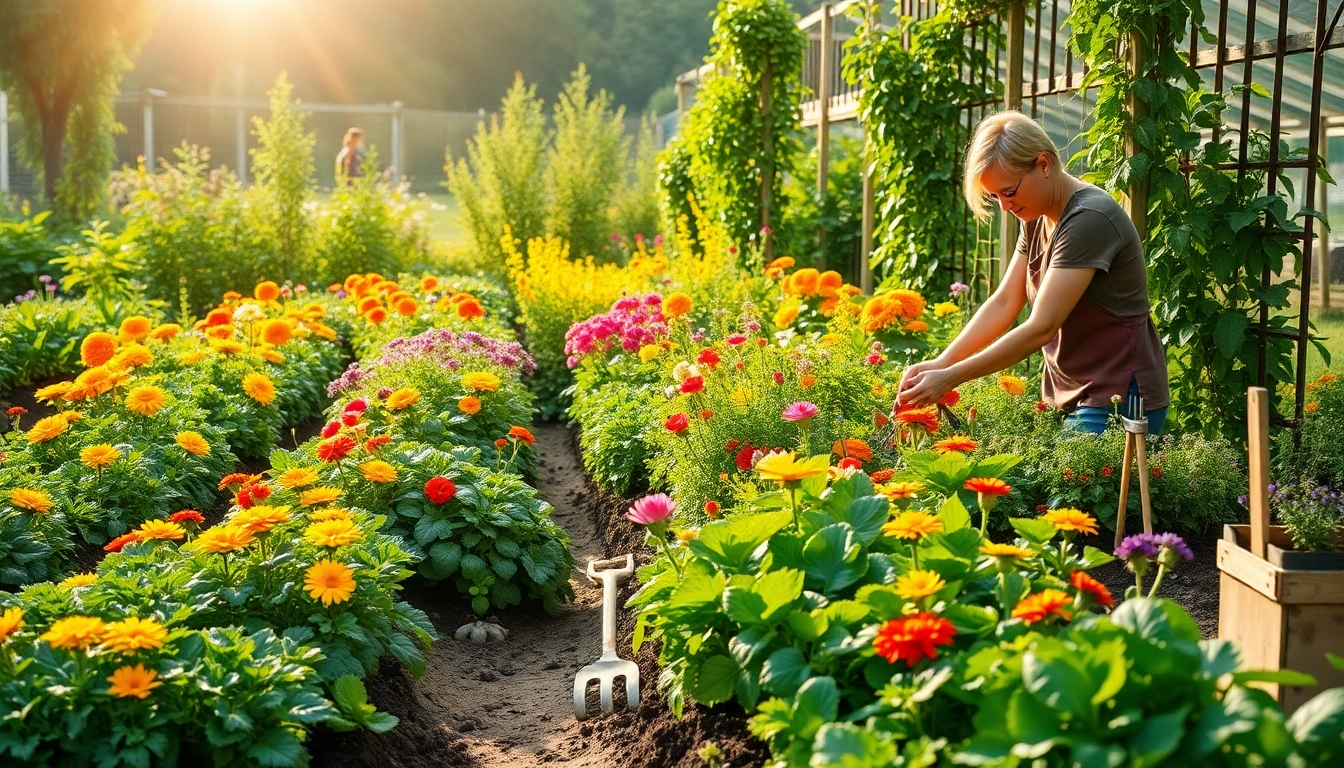
- Flower Gardening: Ideal for beautifying spaces, flower gardening allows for creativity in flower selection and design, whether planted in beds, borders, or pots.
- Herb Gardening: This is often integrated with vegetable gardening, where various herbs are grown both for culinary and medicinal use.
- Container Gardening: Perfect for those with limited space, container gardening involves planting in pots or containers, making it versatile and accessible.
- Vertical Gardening: This innovative approach maximizes space by growing plants upward, often utilizing trellises or wall-mounted systems.
- Community Gardening: These gardens are shared spaces within communities, promoting social interaction, cooperation, and the sharing of resources and knowledge.
Importance of Soil Quality in Gardening
Soil serves as the foundation for healthy plants. A rich and diverse soil structure is paramount for providing nutrients, water, and air to roots. Understanding the fundamental components of good soil, such as its pH, texture, and microbial life, plays a crucial role in creating optimal growth conditions. Here are some key highlights regarding soil quality:
- Soil Composition: A balanced mix of sand, silt, and clay leads to better drainage, nutrient retention, and aeration.
- Nutrient Content: Essential nutrients like nitrogen, phosphorus, and potassium should be available in adequate amounts to support plant health.
- Microbial Activity: Beneficial microorganisms help decompose organic matter, improving soil fertility and disease resistance.
- pH Levels: Proper pH levels (usually between 6-7 for most plants) ensure nutrient availability and uptake.
Planning Your Garden Layout
Selecting the Right Location for Gardening
Choosing a suitable site for your garden is essential for successful plant growth. Factors to consider include:
- Sunlight Exposure: Most vegetables and flowers thrive in areas with at least six hours of sunlight daily. Observing how sunlight moves across your selected area throughout the day is crucial.
- Water Access: Proximity to a water source can ease maintenance, especially during dry spells.
- Soil Quality: Conducting soil tests in your selected area can help you understand any amendments required.
- Accessibility: Ensure that your garden is easy to access for maintenance tasks such as watering, weeding, and harvesting.
Creating a Garden Design
A well-thought-out garden design should focus on aesthetics, functionality, and plant health. Here are some elements to consider when drafting a design:
- Bed Arrangement: Garden beds can be raised, in-ground, or containerized. Plan their placement in relation to sun and shade.
- Plant Placement: Taller plants should be positioned at the back (or center in circular beds) to prevent shading shorter plants.
- Color Schemes: Incorporate a variety of colors and textures for visual interest throughout the growing season.
- Companion Planting: Research which plants work well together to deter pests and promote growth.
Charting Plant Growth Cycles
Understanding the growth cycles of your plants is vital for successful gardening. Key aspects include:
- Seed Germination: Be aware of the optimal conditions (temperature, light, moisture) for seeds to sprout.
- Vegetative Growth: The stage where plants develop leaves and stems, which is critical for nutrient collection and overall vigor.
- Flowering and Fruiting: This stage requires particular attention to pollination and nutrient support.
- Harvesting: Timely harvesting can affect the quality and yield; charting growth allows gardeners to plan ahead.
Essential Tools and Supplies for Gardening
Must-Have Gardening Tools
Having the right tools can simplify tasks and improve efficiency in the garden. Essential gardening tools may include:
- Trowel: A must for digging and planting small areas.
- Pruning Shears: Necessary for trimming and maintaining plant growth.
- Gardening Gloves: Protect hands from sharp objects and soil.
- Watering Can or Hose: For irrigation, fundamental to plant health.
- Rake and Hoe: Useful for soil preparation, weeding, and leveling paths.
- Hand Fork: Ideal for aerating soil and loosening compacted earth.
Choosing Quality Seeds and Plants
Quality seeds and plants are integral to successful gardening. Consider these factors when choosing:
- Certificates and Labels: Look for reputable seed packets that indicate organic or non-GMO certifications.
- Local Adaptation: Choose plants that are well-suited for your local climate and soil conditions.
- Buy from Reputable Sources: Avoid questionable sellers to ensure healthy and viable plants.
Sourcing Sustainable Gardening Supplies
Adopting sustainable practices in gardening promotes environmental stewardship. Focus on sourcing:
- Organic fertilizers: These help improve soil health without introducing harmful chemicals.
- Eco-friendly pest controls: Consider alternatives such as insecticidal soap, neem oil, or beneficial insects.
- Compost: Creating compost from kitchen scraps and yard waste enriches soil without the need for synthetic additives.
Effective Plant Care Strategies
Watering Techniques for Successful Gardening
Watering is a crucial aspect of plant care. Strategies to ensure plants receive adequate water include:
- Deep Watering: Ensures roots grow deep into the soil, enhancing drought resistance.
- Mulching: Helps retain soil moisture, reducing the frequency of watering needed.
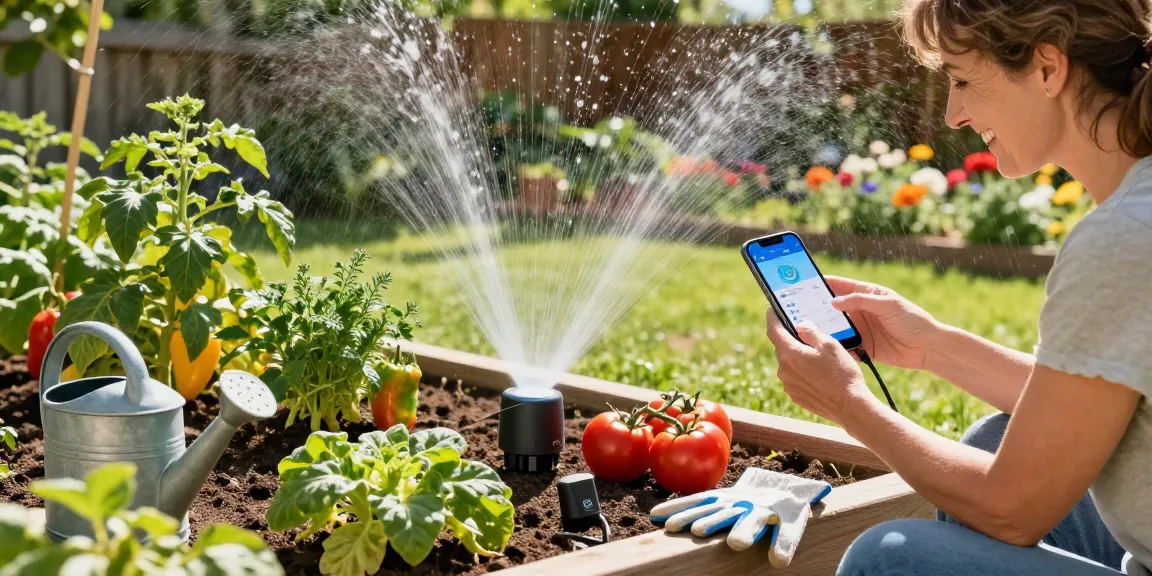
- Drip Irrigation: A more efficient method of watering directly at the root zone minimizes waste.
Pruning and Maintenance Practices
Regular pruning and maintenance keep plants healthy and promote better productivity. Consider the following:
- Timing: Prune at the right time to encourage new growth and flowering; late winter or early spring often works best.
- Techniques: Use clean, sharp tools and make cuts at an angle to promote healing.
- Observation: Regularly check plants for signs of disease, pests, or stress and address them promptly.
Dealing with Pests in Your Garden
Managing pests is essential for maintaining plant health. Strategies include:
- Prevention: Use mesh covers or row covers to keep pests at bay.
- Identification: Knowledge about common pests will help you take targeted action swiftly.
- Natural Predators: Encourage beneficial insects like ladybugs and lacewings that naturally manage pest populations.
Advanced Gardening Techniques
Organic Gardening Practices
Organic gardening emphasizes sustainability and the use of natural methods to grow healthy plants. Key practices include:
- Soil Enrichment: Focus on building a healthy soil ecosystem using compost, cover crops, and organic fertilizers.
- Pest Management: Implement integrated pest management (IPM) strategies that minimize chemical usage.
- Crop Rotation: Rotating crops annually helps prevent soil depletion and pest buildup.
Utilizing Compost for Enriched Gardening
Composting is a sustainable way to enrich soil using organic matter. Follow these steps to create and utilize compost:
- Start a Compost Pile: Collect yard waste, kitchen scraps, brown matter (like dead leaves), and green matter (like vegetable scraps) to create a pile.
- Maintain Balance: Include a balanced mix of green and brown materials and turn the pile regularly to aerate it.
- Harvesting: Once mature, compost should look dark, crumbly, and earthy; use it to enhance garden soil.
Experimenting with Hydroponics and Vertical Gardening
These advanced techniques offer solutions for limited spaces and increased yields. Key points include:
- Hydroponics: A soilless growing method uses nutrient-rich water to nourish plants, making it suitable for urban gardeners.
- Vertical Gardening: Maximizes vertical space using wall planters, trellises, or vertical grids to grow more with less ground area.