Understanding the Basics of Gardening
What is Gardening and Why It Matters
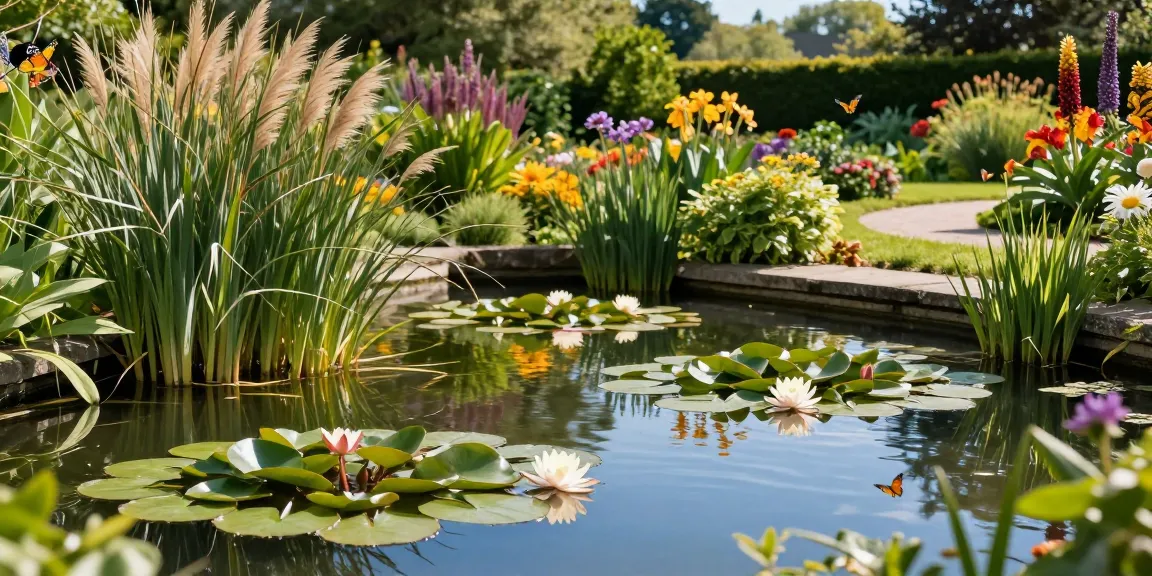
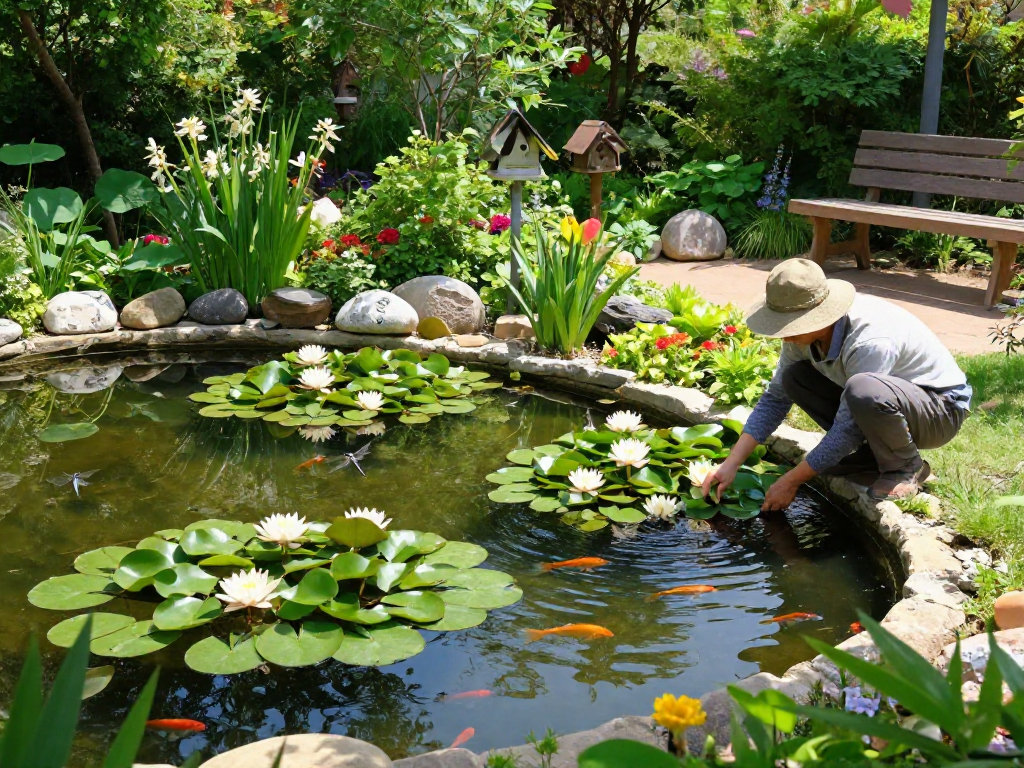
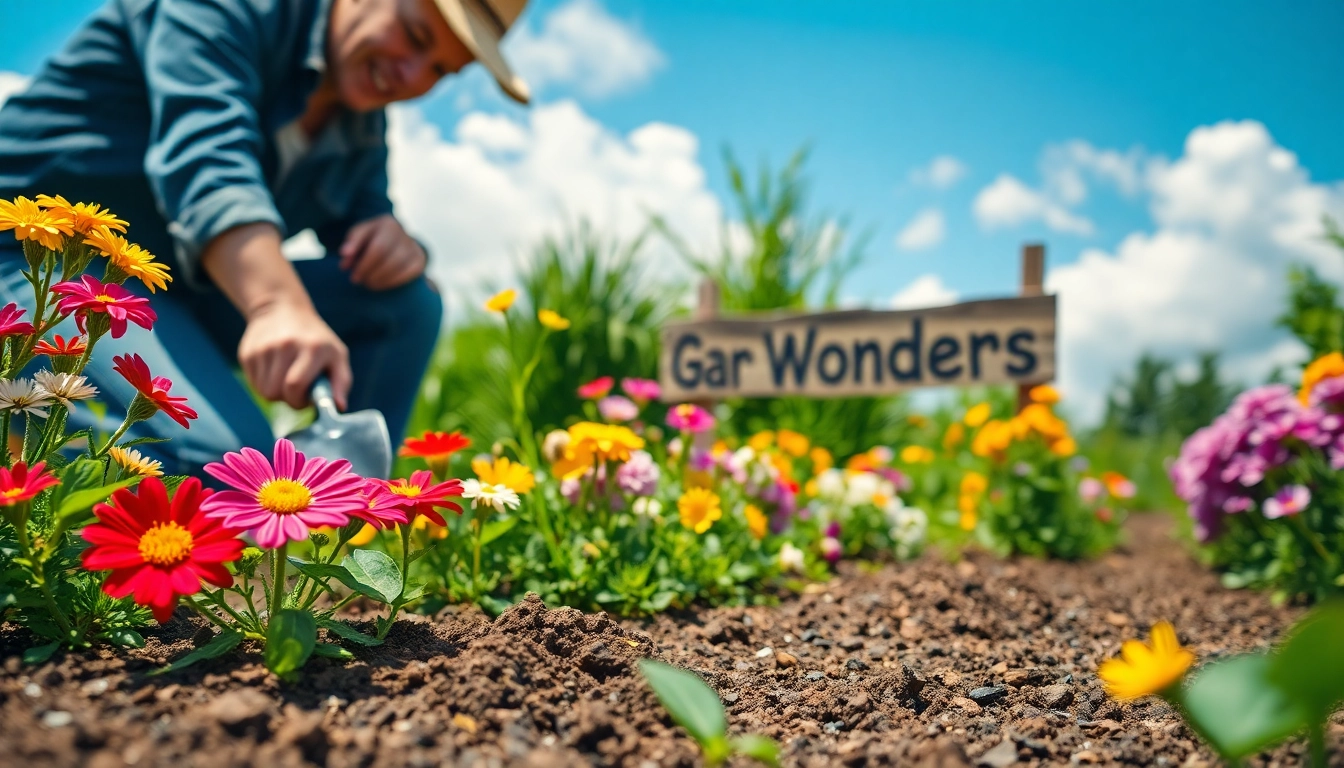
Gardening is the practice of cultivating plants for food, aesthetics, and enjoyment. It encompasses a wide variety of techniques and methods, providing benefits that extend beyond the garden itself. Engaging in Gardening fosters physical health, mental well-being, and environmental sustainability. As individuals become more involved in their gardening efforts, they often cultivate a deeper connection to nature, contributing to greener, healthier communities.
Different Types of Gardening Techniques
Gardening techniques can vary significantly based on the objectives of the gardener and the environment in which they are working. Some popular techniques include:
- Container Gardening: Ideal for those with limited space, this method involves growing plants in containers or pots.
- Raised Bed Gardening: Utilizing raised platforms enhances drainage and soil quality while simplifying maintenance.
- Vertical Gardening: A technique suitable for small areas, vertical gardening involves growing plants upward on trellises or structures.
- Hydroponics: Cultivating plants in a water-based, nutrient-rich solution allows for precise control over growing conditions.
- Organic Gardening: Focuses on natural methods of cultivation, avoiding synthetic chemicals for pest and weed control.
Gardening Tools and Essentials for Starters
To embark on your gardening journey, it’s essential to have the right tools. Beginners should consider investing in the following:
- Handsaw: Suitable for cutting plants and branches.
- Garden Trowel: Ideal for digging small holes and transplanting seedlings.
- Gloves: Protect your hands from thorns, dirt, and other hazards.
- Pruning Shears: Necessary for trimming plants and maintaining their shape.
- Watering Can or Hose: Ensures that plants receive adequate moisture.
- Fertilizers and Soil Amendments: Improve soil health and plant growth.
Getting Started with Your First Garden
Selecting the Right Location for Your Garden
The location of your garden is crucial for success. When choosing a site, consider the following factors:
- Sunlight: Most plants require at least 6-8 hours of direct sunlight daily to thrive.
- Accessibility: Ensure that the garden is easily accessible for regular maintenance and harvesting.
- Drainage: Select a spot that does not pool water to prevent root rot and other water-related issues.
- Protection from Harsh Elements: Consider natural barriers such as trees or structures that can shield your garden from strong winds.
Choosing Plants Suitable for Your Climate
Understanding your climate zone is fundamental for selecting the appropriate plants. Research local flora, choosing plants that are well-adapted to your environment. Consult local nurseries or cooperative extension services for advice on native plants and varieties that thrive in your region.
Preparing Soil for Optimal Growth in Gardening
Soil preparation begins with testing its pH and nutrient levels. Essential steps for preparing your garden soil include:
- Loosening the Soil: Use a shovel or garden fork to loosen the top layer of soil, improving aeration and drainage.
- Adding Organic Matter: Incorporate compost or aged manure to enrich the soil with nutrients and improve structure.
- Leveling the Area: Remove rocks and debris to create a smooth, even planting bed.
- Testing for Nutrient Deficiencies: Utilize a soil test kit to determine specific amendments needed.
Advanced Gardening Techniques to Enhance Growth
Companion Planting: Maximizing Plant Health
Companion planting involves cultivating different plants in proximity to benefit each other. Benefits include pest deterrence, improved pollination, and enhanced nutrient uptake. Here are some popular pairings:
- Tomatoes and Basil: Basil repels pests while boosting the flavor of tomatoes.
- Carrots and Onions: Onions can help deter carrot flies without affecting carrot growth.
- Cucumbers and Sunflowers: Sunflowers provide shade and support for climbing cucumbers.
Watering Practices: How Much is Enough?
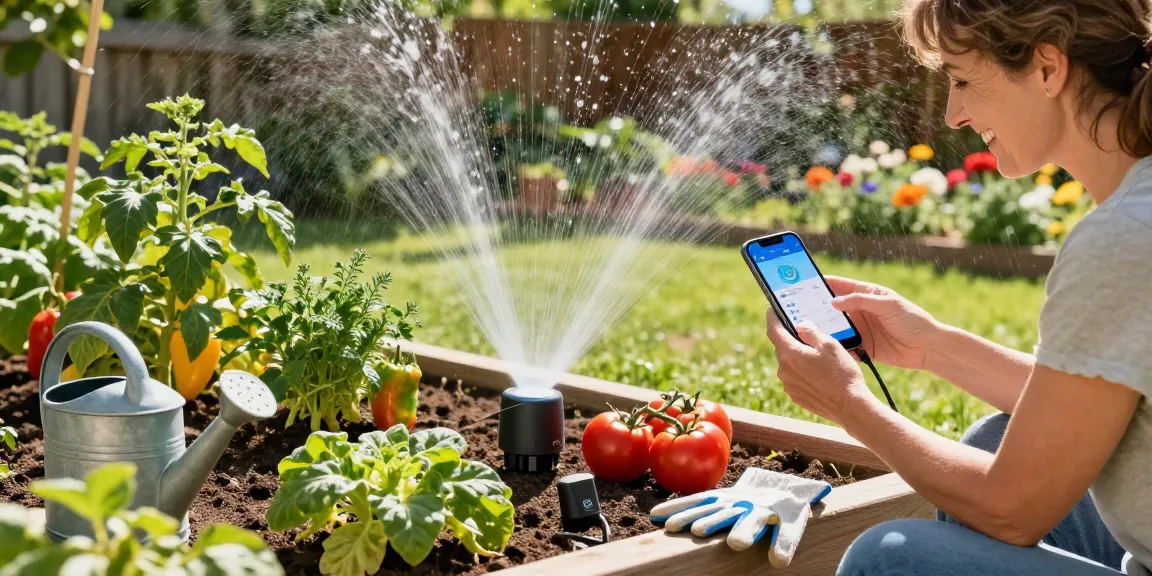
Proper watering practices are vital for successful gardening. The best approach includes:
- Deep Watering: Water slowly and deeply to encourage deep root growth.
- Watering in the Morning: This practice prevents evaporation and helps plants absorb moisture effectively.
- Mulching: Apply organic mulch to retain soil moisture and suppress weeds.
Organic Gardening: Benefits and Practices
Organic gardening emphasizes using natural processes and materials. The benefits include:
- Healthier Produce: Organic produce is free from synthetic pesticides and fertilizers, promoting healthier food choices.
- Environmental Protection: Organic practices contribute to soil health and reduce pollution.
- Enhancing Biodiversity: Organic gardens attract a variety of beneficial insects and wildlife.
Essential practices include crop rotation, using organic fertilizers, and fostering a diverse ecosystem.
Addressing Common Challenges in Gardening
Identifying and Dealing with Pests
Pest management is an integral aspect of gardening. Regularly monitor your plants for signs of infestation and employ methods such as:
- Hand-Picking: For small infestations, manually removing pests can be effective.
- Natural Predators: Encourage birds and beneficial insects like ladybugs that help control pest populations.
- Insecticidal Soap: This organic option can help manage a wide range of pests without harming the plants.
Managing Weeds Effectively Without Chemicals
Weeds can hinder plant growth by competing for nutrients and water. Employing organic weed management techniques includes:
- Mulching: Organic mulch not only suppresses weed growth but also retains soil moisture.
- Hand Weeding: Regularly inspect and remove weeds by hand helps prevent re-establishment.
- Planting Cover Crops: These crops can be tilled into the soil to enhance fertility while suppressing weeds.
Soil Health: Importance and How to Improve It
Soil health is fundamental to productive gardening. Improve and maintain soil health by:
- Adding Organic Matter: Regularly incorporate compost or other organic materials.
- Practicing Crop Rotation: This method reduces soil-borne diseases and rebuilds soil nutrients.
- Avoiding Soil Compaction: Limit foot traffic on garden beds to maintain soil structure.
Measuring Success in Gardening
Tracking Growth and Development of Your Plants
Monitoring plant growth is key to understanding what works best in your garden. Use various tools to track the development of your plants, including:
- Gardening Journals: Document planting dates, growth progress, and any changes in health.
- Camera Updates: Periodically take photos to visually compare growth stages.
- Soil Moisture Meters: These devices help track soil moisture levels, ensuring optimum care.
Harvesting: Knowing When and How to Pick
Recognizing the right time to harvest is crucial for maximizing flavor and nutrition. General guidelines include:
- Fruits: Look for size, color, and firmness; they should be fully developed yet not overripe.
- Vegetables: Consider the specific variety; leafy greens may be harvested when young, while root vegetables should reach full size.
- Herbs: Cut leaves regularly to encourage bushier growth.
Evaluating Your Gardening Results and Planning for Next Season
At the end of the growing season, assess the outcomes of your efforts. Consider the following:
- Successes and Failures: Reflect on what worked well and what didn’t, adjusting your strategy accordingly.
- Soil Health: Test soil health at the end of the season to inform future amendments.
- Plant Rotation Plans: Develop a new plan that incorporates crop rotation to maintain soil fertility.
Using these insights will prepare you for an even more successful gardening experience in the next season.