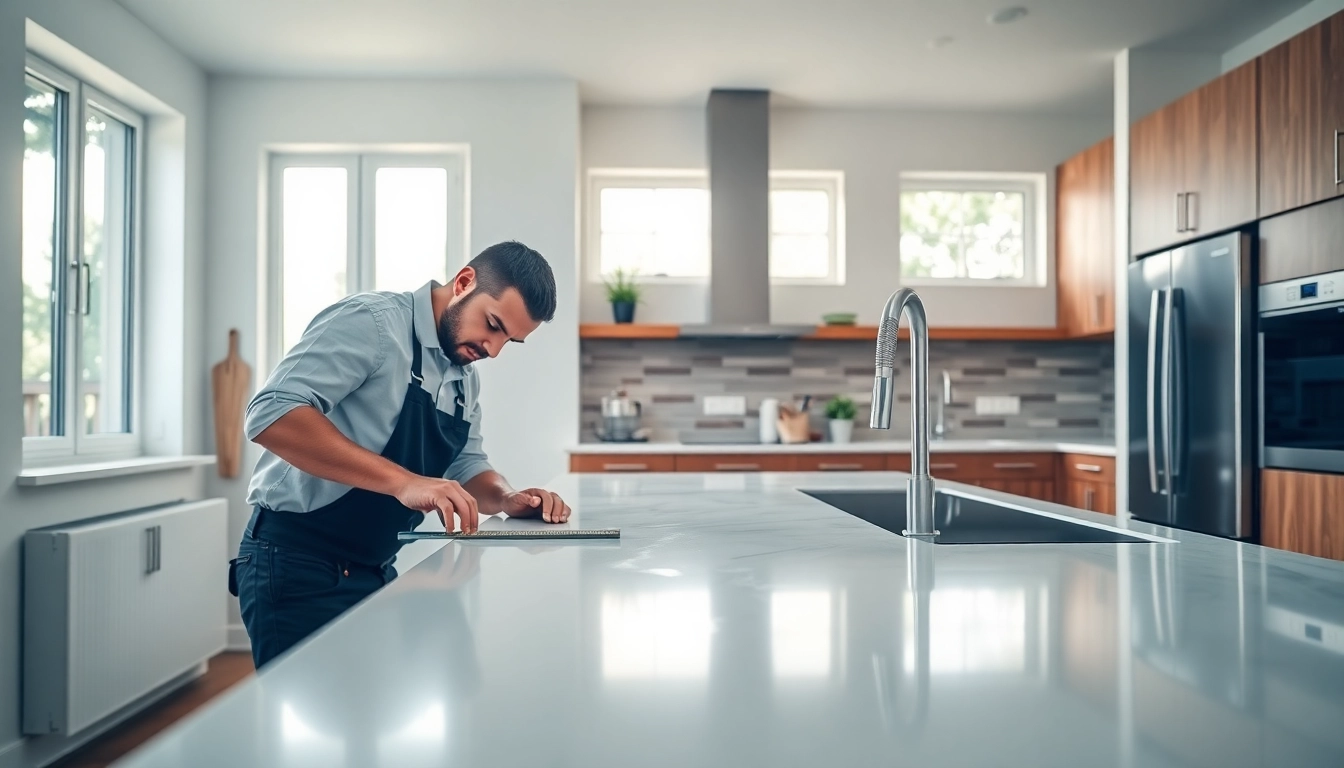
Understanding Home Renovation: Key Concepts
Defining Home Renovation and Its Importance
Home renovation refers to the process of altering and improving an existing structure. It encompasses a wide range of activities, from simple cosmetic changes—like painting walls—to extensive modifications involving structural changes. The importance of home renovation can’t be overstated as it not only updates the aesthetics of a space but also enhances functionality, increases property value, and provides a sense of satisfaction and comfort for homeowners. Engaging in a Home renovation project can transform an outdated property into a modern and inviting environment. In most cases, homeowners decide to renovate to either accommodate a lifestyle change, such as a growing family, or to prepare a home for sale in a competitive market. Whatever the motivation may be, understanding the significance of renovation fosters informed decision-making throughout the process.
Different Types of Home Renovation Projects
Home renovation projects can generally be categorized into several types: 1. Cosmetic Renovation: This involves updates that improve the home’s appearance without affecting its structure. Examples include painting walls, installing new flooring, or updating fixtures. 2. Structural Renovation: This type of renovation alters the physical makeup of the home. It may involve adding rooms, knocking down walls, or making adjustments to the foundation. 3. Energy-Efficient Renovation: These projects aim to create a more sustainable home through insulation enhancements, upgrading windows, or installing energy-efficient heating and cooling systems. 4. Restorative Renovation: Often undertaken for historical homes, this type focuses on returning the building to its original condition, often involving specialized techniques and materials to maintain authenticity. 5. Functional Renovation: Aimed primarily at improving usability, this may involve redesigning room layouts or optimizing kitchen and bathroom spaces. Identifying the type of renovation needed helps homeowners focus their planning, budgeting, and resources accordingly.
Common Misconceptions About Home Renovation
There are several misconceptions concerning home renovation that can hinder a homeowner's success: 1. Renovation Equals Expenses: Many believe that renovating is always expensive. While some projects can cost thousands, there are affordable options available that can enhance a space without breaking the bank. 2. DIY is Always Cheaper: While do-it-yourself (DIY) can save money, many homeowners underestimate the time and skill required for successful outcomes, leading to costly mistakes. 3. All Contractors are the Same: Not all professionals deliver the same quality of work. It’s crucial to conduct thorough research and choose a qualified contractor to ensure the renovation meets expectations. 4. Renovation Can Be Done Anytime: Timing is essential. Certain renovations may not be advantageous during specific seasons, particularly those impacting exterior work. By addressing these misconceptions, homeowners can better understand the renovation process and approach it with a clearer mindset.
Planning Your Home Renovation: Best Practices
Setting a Realistic Budget for Home Renovation
Creating a budget is arguably one of the most critical steps in the home renovation process. A detailed budget should encompass all costs related to the project, including materials, labor, permits, and unexpected expenses—often referred to as a contingency fund. Homeowners should start by researching the average costs associated with their intended renovations. Utilizing resources such as remodeling guides or consulting with contractors can provide insight into regional price variations. Furthermore, it’s wise to base the budget on realistic figures rather than estimates, adjusting for potential changes as the project unfolds. For instance, when planning a kitchen remodel, it’s mandatory to factor in all appliances, cabinets, and counter materials. Additionally, setting a budget allows homeowners to make informed choices about where to allocate their financial resources. This proactive step helps prevent overspending and minimizes stress during the renovation process.
Choosing the Right Design Style for Your Home Renovation
Selecting an appropriate design style is vital in defining the aesthetic of the renovation. Homeowners should consider factors such as: - Personal Preference: Opt for styles that reflect one's personality and tastes; after all, it’s essential to feel comfortable in your space. - Architecture of the Home: The design should complement the existing architecture. For example, a modern design may look out of place in a traditional colonial home. - Functionality: The choice of design should enhance the functionality of the space. This may involve open layouts for modern living or utilizing more compartments in smaller homes. Researching design styles through magazines, websites, or social media can inspire creativity. However, homeowners should remain focused on how the chosen style fits into their lifestyle and practical needs.
Creating an Efficient Timeline for Your Home Renovation
Establishing a timeline is crucial for managing a home renovation project effectively. A well-structured timeline outlines all phases of the renovation, including pre-renovation planning, the execution phase, and post-renovation activities. To create an efficient timeline: 1. Identify Key Milestones: Documenting critical stages—like budgeting, design approval, and project commencement—creates a roadmap for accountability. 2. Consult Professionals: Experienced contractors can provide realistic timelines based on their knowledge of typical project durations. 3. Factor in Delays: Be prepared for unforeseen delays due to weather, supply chain issues, or permits. Building in buffer time can mitigate frustration and keep the project on track. 4. Monitor Progress: Regular progress assessments help ensure that the project adheres to the timeline. If there are adjustments, communicate effectively with all involved parties. Ultimately, a well-planned timeline can smoothen the renovation process and enhance overall satisfaction with the project’s outcome.
Finding Professionals for Home Renovation
How to Select the Right Contractors for Your Home Renovation
Choosing the right contractor is paramount in ensuring the success of any home renovation project. Start by looking for professionals who specialize in your specific type of renovation. Begin the search by: 1. Seeking Recommendations: Word-of-mouth referrals from friends, family, or neighbors can lead you to experienced professionals. 2. Checking Reviews and References: Online platforms, such as consumer review sites, can provide insights into the contractor's reputation. Always ask for references from past clients to gauge satisfaction levels. 3. Conducting Interviews: Once you have a shortlist, arrange meetings to discuss your project, gauge their communication style, and understand their approach to renovation. 4. Evaluating Credentials: Ensure that the contractor holds the proper licenses and certifications essential for your locality. This step is crucial for regulated building work. By meticulously vetting potential contractors, homeowners can safeguard against pitfalls and embark on their renovation journey with confidence.
Understanding Licenses and Insurance Needed for Home Renovation
Licensing and insurance are critical components in the realm of home renovation. Contractors should hold valid licenses as mandated by local regulations. Licensing ensures that the contractor has met specific training and competency requirements, providing homeowners with peace of mind. Equally important is insurance coverage. A professional contractor should have liability insurance to protect against unforeseen damages. Additionally, worker’s compensation protection is crucial should any employees be injured on the job site. Homeowners must insist on verifying these credentials to avoid financial and legal repercussions. Understanding these aspects enables homeowners to make informed choices regarding their renovation team while ensuring adherence to local codes and regulations.
Tips for Collaborating with Your Renovation Team
Effective collaboration with the renovation team is essential for a successful project. Here are several strategies to foster a positive working relationship: - Clear Communication: Establish open lines of communication from the outset. Discuss expectations, deadlines, and concerns frequently to avoid misunderstandings. - Be Involved: While it’s essential to trust your professionals, being actively involved in decision-making can help maintain the project’s vision and integrity. - Set Regular Check-ins: Schedule regular meetings to discuss progress, adjustments, and any issues encountered during the renovation. - Be Respectful: Recognize the hard work and expertise of your renovation team. A respectful environment encourages productivity and a tighter working relationship. By fostering collaboration and maintaining open channels of communication, homeowners can significantly enhance their renovation experience and outcomes.
Implementing Sustainable Practices in Home Renovation
Eco-Friendly Materials for Your Home Renovation
In today’s environmentally-conscious society, incorporating eco-friendly materials during renovations is increasingly popular. Options include: 1. Reclaimed Wood: Utilizing reclaimed wood for flooring or structural supports can add charm to a home while minimizing deforestation. 2. Low-VOC Paints and Finishes: These products reduce harmful volatile organic compounds, contributing to better indoor air quality. 3. Sustainable Flooring: Bamboo and cork are great alternatives to traditional hardwoods, offering sustainability without sacrificing aesthetics. 4. Recycled Materials: Consider using countertops made from recycled glass or metal for a contemporary and sustainable touch. Opting for eco-friendly materials not only reduces the environmental impact but can also save on long-term maintenance costs and improve the overall health of the home.
Energy Efficiency Upgrades During Home Renovation
Energy efficiency is a fundamental aspect of modern home renovation. Homeowners can make significant strides in reducing energy bills through strategic upgrades: - Insulation: Upgrading insulation can cut energy costs while enhancing comfort levels in the home, allowing for consistent temperature regulation. - Windows: Installing double or triple-glazed windows can enhance energy efficiency by reducing heat loss and improving comfort indoors. - Energy-Efficient Appliances: When replacing appliances, opt for energy-efficient models certified by recognized organizations. Although the initial purchase might be higher, the long-term savings can be substantial. - Smart Home Technologies: Implementing smart thermostats and energy monitoring systems can optimize energy consumption based on usage patterns. Incorporating these upgrades during renovation not only benefits homeowners through lower bills but also contributes positively to the environment.
The Long-term Benefits of a Sustainable Home Renovation
Investing in sustainable home renovation practices extends beyond just immediate aesthetics or energy savings. The long-term benefits include: 1. Increased Property Value: Homes that prioritize sustainability often attract buyers who are willing to pay a premium for environmentally-friendly features. 2. Reduced Environmental Impact: Sustainable renovations utilize resources more efficiently, leading to a decreased carbon footprint. 3. Improved Health: Opting for materials that have low toxicity and better indoor air quality can lead to health benefits, making your home a safer place. 4. Ongoing Cost Savings: Over time, sustainable renovations usually equate to substantial savings on utility bills, which can significantly impact a homeowner's budget. Investing in sustainability doesn’t just improve livability; it also enhances the property’s position in a progressively eco-friendly market.
Post-Renovation: Maintaining Your Home Improvement
Essential Maintenance Tips Following Home Renovation
Maintenance of a recently renovated space is pivotal. Here are some essential maintenance tips to ensure longevity and continued enjoyment: - Regular Cleaning: Establish a cleaning schedule tailored to your new materials and features, especially if you've installed eco-friendly materials that may require specific care. - Inspecting for Wear and Tear: Regularly check for signs of wear, such as peeling paint or loose tiles. Promptly addressing these issues can prevent larger problems down the road. - Update Landscaping: If exterior renovations were conducted, ensure that landscaping complements the new structures, paying attention to drainage to avoid structural damage. - Maintain Systems: Regularly service HVAC systems, plumbing, and electrical installations to maintain efficiency and reliability. Taking these proactive measures can help preserve the quality and functionality of your renovated home for years to come.
Evaluating the Success of Your Home Renovation
Post-renovation evaluation is crucial to determine the success of the project. Homeowners should assess several factors: - Did It Meet the Objectives?: Reflect on whether the renovation achieved the goals set during planning. Assess functionality in relation to the intended aesthetic and livability enhancements. - Quality of Work: Evaluate whether the finishes and modifications have met quality expectations. Engage in a walk-through upon project completion to inspect everything thoroughly. - Owner Satisfaction: Consider your emotional response to the renovation. Do you feel that it reflects your vision and enhances your quality of life? Collecting feedback from family members can provide additional perspectives on the success of the renovation.
When to Consider Future Renovation Projects
Post-renovation, a homeowner may consider further projects based on changing needs or new inspirations. Factors to consider include: - Shift in family size or needs: Growing families might require more space or alterations in functionality; conversely, empty nesters may seek to downsize. - Market Trends: Observing market trends can inspire additional renovations to keep your home current and competitive if you intend to sell. - Lifestyle Changes: Lifestyle shifts, such as remote work or increased home entertaining, often inspire homeowners to revisit their space for optimization. Ultimately, homeowners should remain open to the evolving needs of their homes while enjoying the benefits of a thoughtfully executed renovation.