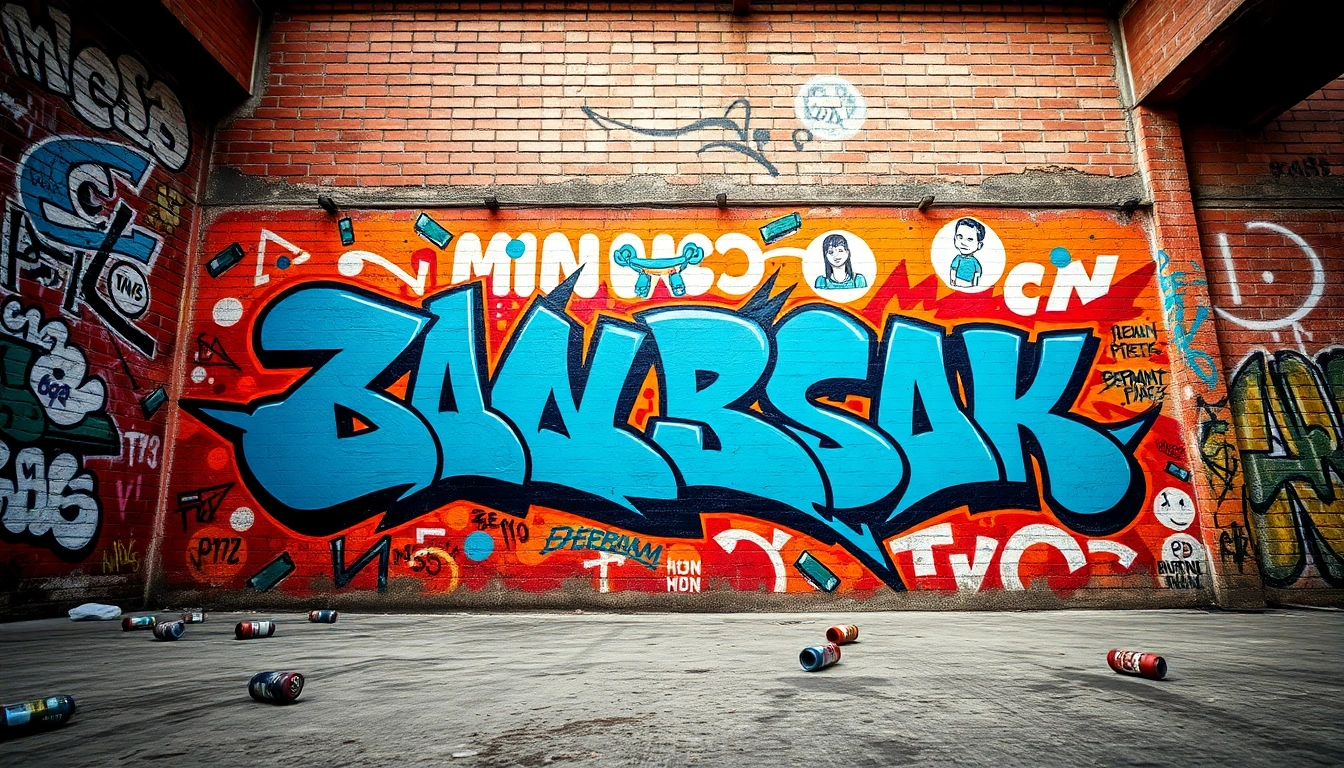
Understanding Graffiti Wall Art
Definition of Graffiti Wall Art
Graffiti wall art is an innovative form of artistic expression that transforms public and private spaces into vibrant canvases. Unlike traditional graffiti, which might often be associated with vandalism, graffiti wall art is typically characterized by its artistic merit, intentional design, and conceptual depth. Artists utilize various techniques, ranging from spray paint and markers to stencils and murals, to create visually compelling pieces that communicate messages, emotions, or social commentary.
Historical Context
The roots of graffiti wall art can be traced back to ancient civilizations where individuals would inscribe symbols and messages on walls. However, the contemporary form of graffiti began to take shape in the urban environments of New York City during the late 1960s and early 1970s. Artists started using spray paint to leave their tags in public spaces, eventually evolving into more intricate artworks that often reflected social issues, culture, and identity.
Over the years, graffiti wall art has transitioned from the clandestine acts of rebellious youth to a respected form of art displayed in galleries and exhibitions worldwide. This evolution underscores the changing perceptions of graffiti as both a subculture and a legitimate form of artistic expression.
Popular Styles and Techniques
Graffiti wall art encompasses a plethora of styles and techniques, contributing to its rich diversity. Some of the most prominent styles include:
- Tagging: The most basic form of graffiti where artists use their unique signatures or ‘tags’ to leave their mark.
- Throw-ups: Larger than tags, throw-ups often utilize bubble letters and quick execution to create attention-grabbing pieces.
- Piecing: Short for ‘masterpiece,’ piecing involves detailed artwork that displays complex characters and vibrant colors.
- Murals: Large-scale artworks often commissioned or created legally, depicting powerful narratives or cultural themes.
- Stenciling: A technique that uses pre-cut templates to create designs quickly and uniformly, popularized by artists like Banksy.
Each style carries its own aesthetic and intent, allowing artists to convey different messages and emotions through their work. Graffiti wall art continues to evolve as new techniques emerge and artists push the boundaries of creativity.
The Cultural Significance of Graffiti Wall Art
Graffiti Wall Art as a Form of Expression
Graffiti wall art serves as a powerful medium for personal and political expression. It provides artists, especially those from marginalized communities, a platform to voice their thoughts and experiences. Through vivid imagery and impactful messaging, graffiti can address issues such as social justice, identity, and community pride.
For many artists, graffiti becomes a form of storytelling, reflecting their cultural background and societal struggles. This art form empowers individuals to reclaim public spaces and assert their identities, challenging societal norms and encouraging dialogue.
Community Engagement and Activism
Beyond personal expression, graffiti wall art often acts as a catalyst for community engagement and activism. Artists collaborate with local organizations and residents to create murals that represent shared values, celebrate histories, or raise awareness about specific causes. This engagement fosters a sense of community pride and ownership, transforming underutilized areas into vibrant art hubs.
Moreover, large-scale mural projects can revitalize neighborhoods, attract tourism, and provoke conversations about pressing social issues. As a result, many cities have embraced graffiti wall art as a means to enhance public spaces and foster inclusive environments.
Influence on Modern Art
Graffiti wall art has significantly influenced contemporary art, shaping aesthetic trends and dialogues within the art world. Its raw authenticity and ability to convey complex narratives appeal to both artists and audiences, bridging traditional art forms with street culture. Today, numerous galleries feature graffiti-inspired exhibitions, showcasing the intersection of urban art and fine art.
Prominent artists who began in the graffiti scene are now celebrated internationally, blurring the lines between street art and institutional art. As a result, graffiti wall art not only influences the visual landscape but also challenges preconceived notions of where and how art should be presented.
Choosing the Right Graffiti Wall Art for Your Space
Assessing Your Aesthetic Needs
When selecting graffiti wall art for your space, it’s crucial to assess your aesthetic preferences and the intended mood of the area. Consider factors such as the existing design elements of the space, including decor, furniture, and color schemes. The right piece can enhance your environment and create a cohesive look.
Take time to explore various artists and styles to find a piece that resonates with your vision. Whether you prefer bold, abstract designs or intricate narratives, understanding your aesthetic needs is the first step in making an impactful choice.
Color and Size Considerations
Color plays a pivotal role in the overall effect of graffiti wall art. Vivid, energetic hues can invigorate a space, while muted tones may create a calming atmosphere. When choosing a piece, think about how the colors will interact with other elements in the space, including lighting and furniture. Additionally, consider the size of the artwork; a large mural can serve as a focal point in a room, while smaller pieces can be part of a gallery wall or a complement to other art forms.
Placement Tips for Maximum Impact
Placement is key to maximizing the impact of graffiti wall art. Consider high-traffic areas where the art can engage viewers, such as living rooms, hallways, or offices. Aligning the piece with sightlines and ensuring it is at eye level can enhance appreciation and interaction. Additionally, framing can add a polished touch to street art, allowing it to seamlessly integrate into your interior design while celebrating its urban roots.
Creating Graffiti Wall Art: A Beginner’s Guide
Essential Tools and Materials
For those interested in exploring graffiti wall art creation, gathering the right tools and materials is essential. Some basic supplies include:
- Aerosol spray paints: Available in a variety of colors, these are the primary medium used in graffiti.
- Markers and paint pens: Useful for detailed work and outlining.
- Stencils: Pre-made designs that can speed up the process and add consistency to your work.
- Masks and gloves: Essential for personal protection while working with spray paints.
- Large canvas or wall space: An appropriate surface to unleash your creativity.
As you gain confidence, you can experiment with additional materials, such as brushes, rollers, and specialty paints, to expand your artistic repertoire.
Step-by-Step Process
Creating your own graffiti wall art can be a rewarding process. Follow these steps to get started:
- Choose a concept: Decide what you want to express through your piece. Sketch out your ideas on paper to visualize your design.
- Select a location: Find a suitable space where you have permission to create. Ensure the surface is clean and primed for painting.
- Prepare your materials: Gather all necessary tools and materials, ensuring you have a well-ventilated area to work in.
- Start with an outline: Use a light stencil or sketch your design with a light color to guide your work.
- Add layers: Begin applying colors, starting with the background and moving to foreground elements. Layering improves depth and visual interest.
- Detail work: Finalize your piece with outlines and additional details, refining until you’re satisfied with the result.
- Seal your artwork: Protect your work with a clear coat finish to ensure longevity and vibrancy.
Common Mistakes to Avoid
While creating graffiti wall art can be enjoyable, beginners often make some common mistakes. Avoid these pitfalls:
- Poor planning: Failing to plan your design can lead to a chaotic appearance; take time to sketch beforehand.
- Ignoring surface preparation: Not cleaning the wall or canvas can affect paint adhesion and overall quality.
- Overusing color: Using too many competing colors can detract from the focal points; instead, opt for a harmonious palette.
- Forgetting safety precautions: Skipping protective gear can lead to accidents; always prioritize your safety when working with materials.
Maintaining and Preserving Graffiti Wall Art
Protective Coatings and Finishes
To ensure the longevity of your graffiti wall art, applying protective coatings is essential. Clear sprays or varnishes specifically designed for graffiti can safeguard against UV rays and environmental wear. These finishes provide a barrier that maintains the vibrancy of colors and protects the artwork from fading or peeling over time.
Routine Care and Cleaning
Maintaining the appearance of graffiti wall art involves regular care and cleaning. Dust and grime can accumulate over time, detracting from its visual impact. Gently cleaning the piece with a soft cloth or sponge can help preserve its look without damaging the paint. Avoid harsh chemicals or abrasives, as they can cause irreversible damage to the artwork.
Dealing with Wear and Tear
Exposure to the elements or accidental damage may necessitate repairs to your graffiti wall art. Small chips or scratches can be touched up with matching paint, while larger areas may require extensive restoration. Monitoring the condition of your artwork will allow you to address issues promptly, keeping it vibrant and engaging for years to come.