
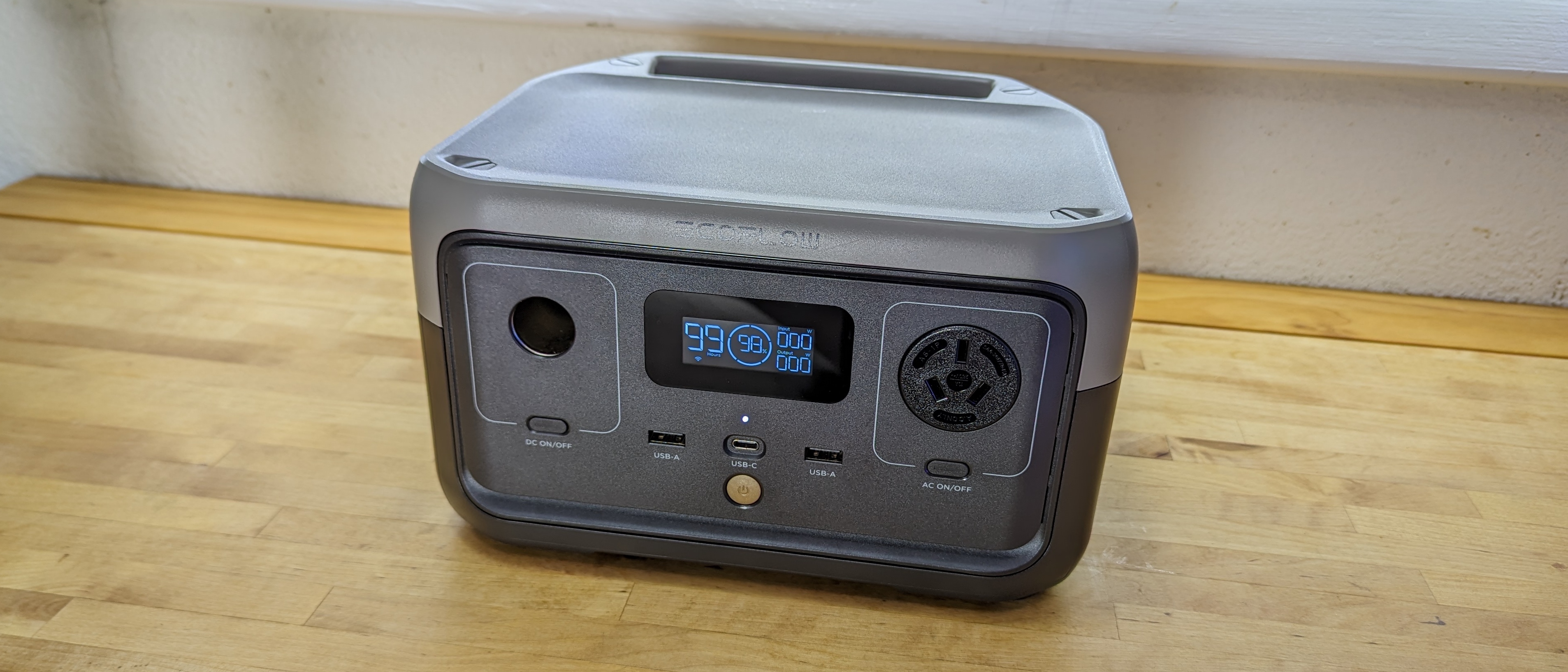
Power stations have become an essential tool for homeowners, travelers, and outdoor enthusiasts. Whether you rely on them for backup power during emergencies or for off-grid adventures, understanding how to maximize your Power station battery life is crucial. By taking proper care of your device and following best practices, you can ensure it remains efficient, reliable, and long-lasting.
Understanding Your Power Station
Before diving into battery optimization techniques, it’s important to understand what a power station is and how it works. A power station is essentially a portable battery system designed to store electrical energy for later use. Most modern power stations utilize lithium-ion batteries, which are known for their efficiency and long lifespan. However, even high-quality batteries can degrade over time if not maintained properly.
Proper Charging Techniques
One of the most important steps to maximize your power station’s battery life is proper charging. Avoid letting your power station completely drain before recharging, as deep discharges can shorten battery lifespan. Instead, aim to recharge when the battery reaches around 20-30%. Conversely, avoid keeping the battery fully charged at 100% for extended periods, as this can also reduce capacity over time.
Using the manufacturer-recommended charger is another key factor. Third-party chargers may provide inconsistent voltage or current, which can negatively impact the battery’s health. Regularly inspect your charging cables for wear or damage to prevent inefficient charging and potential hazards.
Temperature Considerations
Temperature plays a significant role in battery longevity. High temperatures can accelerate battery degradation, while extremely low temperatures can reduce capacity temporarily. To maximize your power station’s battery life, store and use it in a temperature-controlled environment whenever possible. Avoid leaving it in direct sunlight, near heaters, or in a freezing vehicle.
Storage Tips for Long-Term Use
If you plan to store your power station for an extended period, it’s essential to follow proper storage guidelines. Keep the battery at a charge level of around 50-60% to maintain optimal health. Store it in a cool, dry place away from moisture and heat sources. Check the battery periodically and recharge it if the level drops too low, as lithium-ion batteries can become damaged if stored completely drained.
Regular Maintenance and Cleaning
Maintaining your power station goes beyond proper charging and storage. Keep the device clean and free from dust or debris, which can interfere with ventilation and lead to overheating. Check for any signs of damage, such as swelling or corrosion, and address issues promptly. Regular maintenance helps ensure your power station remains efficient and safe to use.
Efficient Usage Practices
Maximizing your power station’s battery life also involves how you use it. Avoid overloading the device with high-wattage appliances beyond its rated capacity. Use energy-efficient appliances and LED lights when possible to reduce unnecessary strain on the battery. Monitoring the battery level and usage patterns can help you make informed decisions to prolong battery health.
Software and Firmware Updates
Many modern power stations come with software or firmware that can be updated to improve performance and battery management. Regularly checking for updates and installing them ensures your device operates efficiently. Updated firmware can include optimizations for charging algorithms, temperature management, and battery health monitoring.
Avoiding Frequent Deep Discharges
Frequent deep discharges can significantly reduce the lifespan of a power station battery. While occasional full discharges are acceptable, consistent deep cycling should be avoided. Instead, maintain moderate charge cycles and recharge the battery before it reaches critically low levels. This practice helps preserve the battery’s capacity over time.
Using Renewable Energy Sources
If possible, consider charging your power station using renewable energy sources, such as solar panels. Solar charging is gentle on the battery and helps reduce reliance on the grid. Using solar power also promotes sustainable energy practices and allows you to harness free, clean energy for your power station.
Monitoring Battery Health
Keeping track of your power station’s battery health is essential. Many devices offer built-in monitoring tools that display battery status, cycle count, and estimated capacity. Regularly checking these metrics can help you identify potential issues early and take corrective action to prolong battery life.
Conclusion
Maximizing your power station’s battery life requires a combination of proper charging, careful storage, regular maintenance, and smart usage practices. By understanding how your device works and taking steps to protect the battery, you can enjoy reliable power whenever you need it. Following these guidelines ensures your investment in a power station remains efficient, safe, and long-lasting, helping you get the most out of your device.