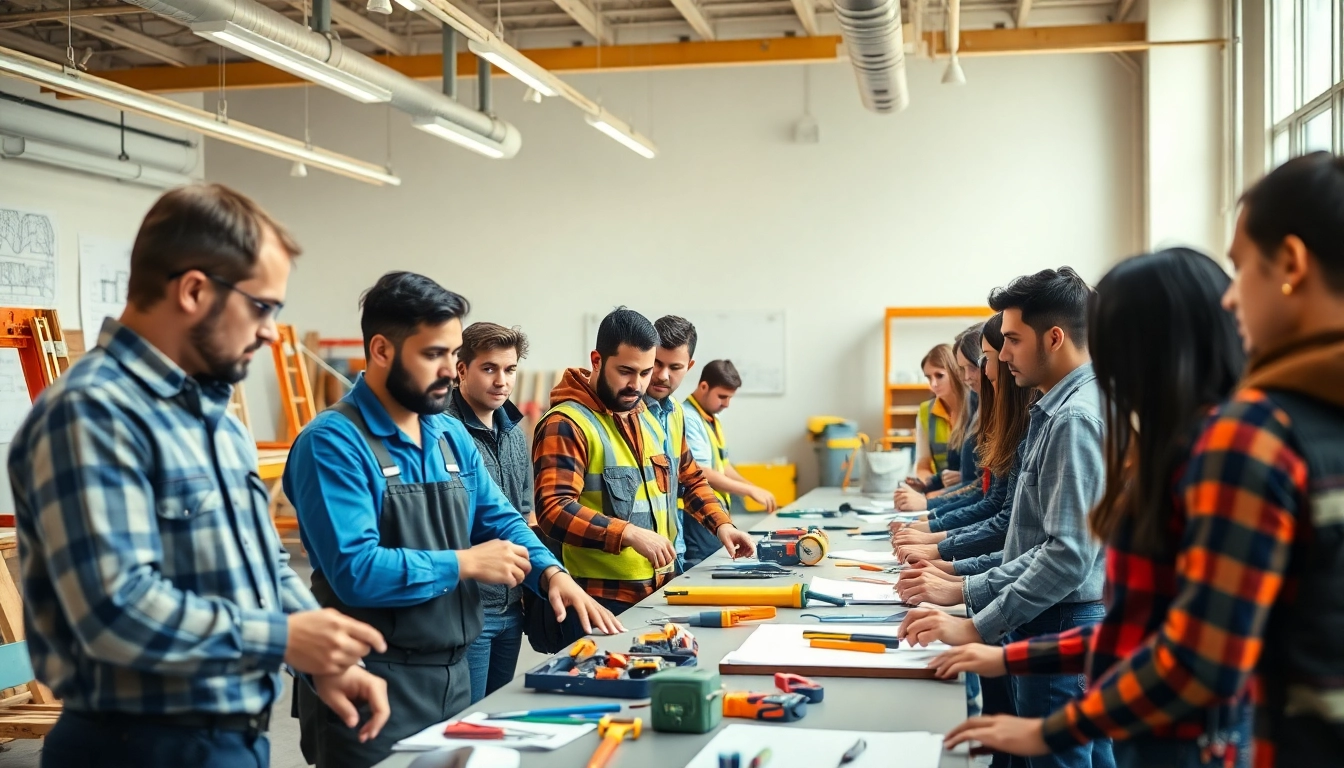
Understanding Learning Environments
The concept of learning environments goes beyond mere physical spaces; it embodies the atmosphere, culture, and resources that influence educational experiences. A holistic understanding of learning environments is crucial for educators, administrators, and policymakers alike as they aim to foster engaging and effective teaching and learning experiences. For insight into creating effective learning environments, you can learn more about best practices and innovative strategies.
What Constitutes a Learning Environment?
A learning environment includes all the context in which learning occurs, including both physical and psychological dimensions. At its core, a learning environment consists of the following elements:
- Physical Space: This includes the architecture, layout, and available resources such as classrooms, libraries, and laboratories that facilitate learning.
- Cultural Environment: The shared beliefs, values, and expectations of both students and educators influence interactions and learning outcomes.
- Technological Integration: Access to digital tools and resources enhances the learning process, accommodating diverse learning styles.
- Social Dynamics: Relationships among learners, educators, and the wider community play a critical role in shaping learning experiences.
Types of Learning Environments
Learning environments can be categorized into several types, each serving distinct educational goals:
- Traditional Classroom: Focuses on direct instruction with a fixed structure; often characterized by teacher-centered pedagogy.
- Online Learning: Offers flexible, digital platforms for education, enabling access to resources anywhere and anytime.
- Blended Learning: Combines traditional face-to-face instruction with online components, fostering a more interactive experience.
- Collaborative Spaces: Designed for group work and interaction, these environments emphasize teamwork and community engagement.
- Experiential Learning Environments: Focus on hands-on experiences and real-world applications, promoting deeper understanding through active involvement.
Importance of Physical and Emotional Spaces
The physical layout of a learning space can significantly affect student engagement and performance. Classrooms that are flexible and adaptable, equipped with movable furniture and adjustable technology setups, encourage a dynamic learning experience. Emotional spaces, on the other hand, focus on fostering a culture of respect, inclusivity, and encouragement. Creating an environment where students feel valued and supported motivates them to participate actively and assertively in their educational journey.
Best Practices for Creating Engaging Learning Spaces
Designing effective learning environments involves strategic planning and a keen understanding of best practices that enhance engagement and learning outcomes.
Incorporating Technology in Learning Spaces
With rapid advancements in technology, classrooms must integrate digital tools seamlessly. Learning management systems, interactive whiteboards, and educational software can enhance teaching effectiveness. Additionally, incorporating mobile devices allows for personalized learning, enabling students to explore subjects at their own pace and interest levels.
Flexible Furniture Arrangements
Classroom configuration plays a pivotal role in student interactions. Arranging furniture to promote collaboration and discussion encourages peer learning. Teachers should consider movable desks, lounge areas, and communal tables that allow for varied learning activities, from group projects to quiet study sessions.
Promoting Collaborative Learning Experiences
Facilitating opportunities for collaboration helps develop critical social skills and content mastery. Group projects, peer reviews, and team-based learning not only enhance retention but foster a sense of community. Educators should prioritize activities that require students to lead discussions, engage in problem-solving, and co-create solutions.
How to Assess Learning Environments Effectively
Regular evaluation of learning environments is essential for continual improvement in teaching practices and student outcomes. Understanding what works—and what needs adjustment—can refine educational approaches and enhance the overall learning experience.
Setting Evaluation Criteria
To assess the effectiveness of a learning environment, institutions should establish clear evaluation criteria that measure aspects like student engagement, achievement, and resource availability. Metrics might include classroom observations, student surveys, and performance assessments.
Gathering Feedback from Learners
Incorporating student feedback into evaluations helps educators understand learners' perspectives and challenges. Surveys, focus groups, and one-on-one sessions provide insights that can inform adjustments in teaching strategies or learning space design.
Utilizing Assessment Tools
Employ various assessment tools such as rubrics and checklists to evaluate the effectiveness of instructional methods and learning experiences. Digital platforms can streamline data collection and analysis, allowing educators to make data-informed decisions.
Innovative Ideas for Enhancing Learning Encounters
Innovation in teaching methodologies and learning experiences can stimulate engagement and foster creativity among students. Here are some ideas to consider:
Designing Interactive Learning Activities
Incorporating gamification, simulations, and role-playing activities can make learning enjoyable and impactful. Students thrive in environments where they can interact actively with the material and participate in engaging, relevant scenarios.
Creating Multi-Sensory Learning Opportunities
Multi-sensory approaches, which engage different senses, can enhance comprehension and retention of information. Activities that integrate visual aids, auditory elements, and hands-on projects cater to diverse learning preferences and enhance experience.
Best Resources for Inspiration
Educators can find inspiration through online communities, professional development workshops, and educational literature. Resources such as educational podcasts, webinars, and conferences offer valuable insights into innovative teaching strategies and learning environments.
FAQs About Effective Learning Spaces
What are key elements of an effective learning environment?
An effective learning environment includes accessibility, technological support, interactive resources, and promotes collaboration among students and teachers.
How can I engage students in a learning environment?
Engagement can be enhanced through group projects, inquiry-based learning, discussions, and hands-on activities that connect to real-world applications.
Why is feedback important in learning settings?
Feedback is crucial for understanding learner needs, guiding improvement in instructional methods, and tailoring education to individual learning styles.
What role does technology play in learning environments?
Technology enriches learning environments by providing diverse resources, enabling personalized learning, and supporting various teaching methodologies.
How do I create a supportive emotional environment?
Fostering inclusivity, cultivating respect, encouraging open communication, and building positive relationships creates a supportive emotional environment.