Understanding Land Irrigation
What is Land Irrigation?
Land irrigation is the method of supplying water to crops and plants through various systems and techniques, ensuring that they receive adequate moisture for optimal growth. This practice has been integral to agriculture for thousands of years, allowing societies to thrive by transforming arid and less fertile lands into productive agricultural fields. Through land irrigation, farmers can control water supply, prevent drought-related losses, and enhance crop yield. Land irrigation methods can vary widely based on the region, climate, soil type, and crop needs, making it a complex but essential part of modern farming.
Importance of Land Irrigation in Agriculture
The significance of land irrigation in agriculture cannot be overstated. Irrigation increases crop production by providing a reliable water supply necessary for growth. It allows farmers to grow crops in regions that would otherwise be unsuitable due to low rainfall or poor soil quality. Furthermore, effective land irrigation plays a crucial role in enhancing food security as it leads to higher yields and provides a buffer against climate variability.
In addition to crop production, land irrigation contributes to the sustainability of agriculture. It enables farmers to use water more efficiently, reducing wastage and promoting water conservation practices. The predictable water supply can lead to improved soil health by maintaining moisture levels, which enhances nutrient uptake by plants.
Basic Principles of Land Irrigation
At its core, land irrigation involves several fundamental principles that govern effective water use. These include:
- Watering Schedule: Knowing the right timing for irrigation based on crop requirements and environmental factors is essential. This ensures plants receive water when most needed.
- Soil Moisture Monitoring: Understanding the moisture level of the soil helps in determining when and how much to irrigate. Various instruments like soil moisture sensors can assist farmers in this endeavor.
- Water Application Efficiency: Ensuring that the water reaches the plant roots effectively without excessive runoff or evaporation is crucial for maximizing irrigation outcomes.
- System Maintenance: Regular upkeep of irrigation systems ensures longevity and efficiency. Blockages or leaks can severely affect water distribution.
Techniques for Effective Land Irrigation
Surface Irrigation Methods
Surface irrigation methods are among the most traditional forms of land irrigation, where water is applied directly to the soil surface and allowed to flow over the fields. This includes techniques like furrow, basin, and flood irrigation.
Furrow irrigation involves creating small channels through which water flows between crop rows. This method is particularly effective for row crops and can enhance water usage efficiency. Basin irrigation, on the other hand, consists of leveling the field into flat areas (basins) where water can be held for infiltration. It is often used in orchards and for growing rice. Flood irrigation is a less controlled method where fields are completely submerged with water, often suitable in regions with flat topography and sufficient water supply.
Drip Irrigation: Benefits and Applications
Drip irrigation is a highly efficient method that delivers water directly to the root zone of plants, drop by drop, through a network of tubing and emitters. This technique minimizes water wastage significantly compared to surface methods.
One of the primary benefits of drip irrigation is its ability to reduce evaporation and runoff, making it ideal for arid regions. Farmers can save up to 50% more water than traditional irrigation methods. Additionally, this method can enhance crop quality and increases the frequency of crop production cycles by ensuring consistent moisture levels. It's particularly advantageous for high-value crops, orchards, and greenhouses, where precise water application can directly impact yield and profitability.
Sprinkler Systems and Their Efficiency
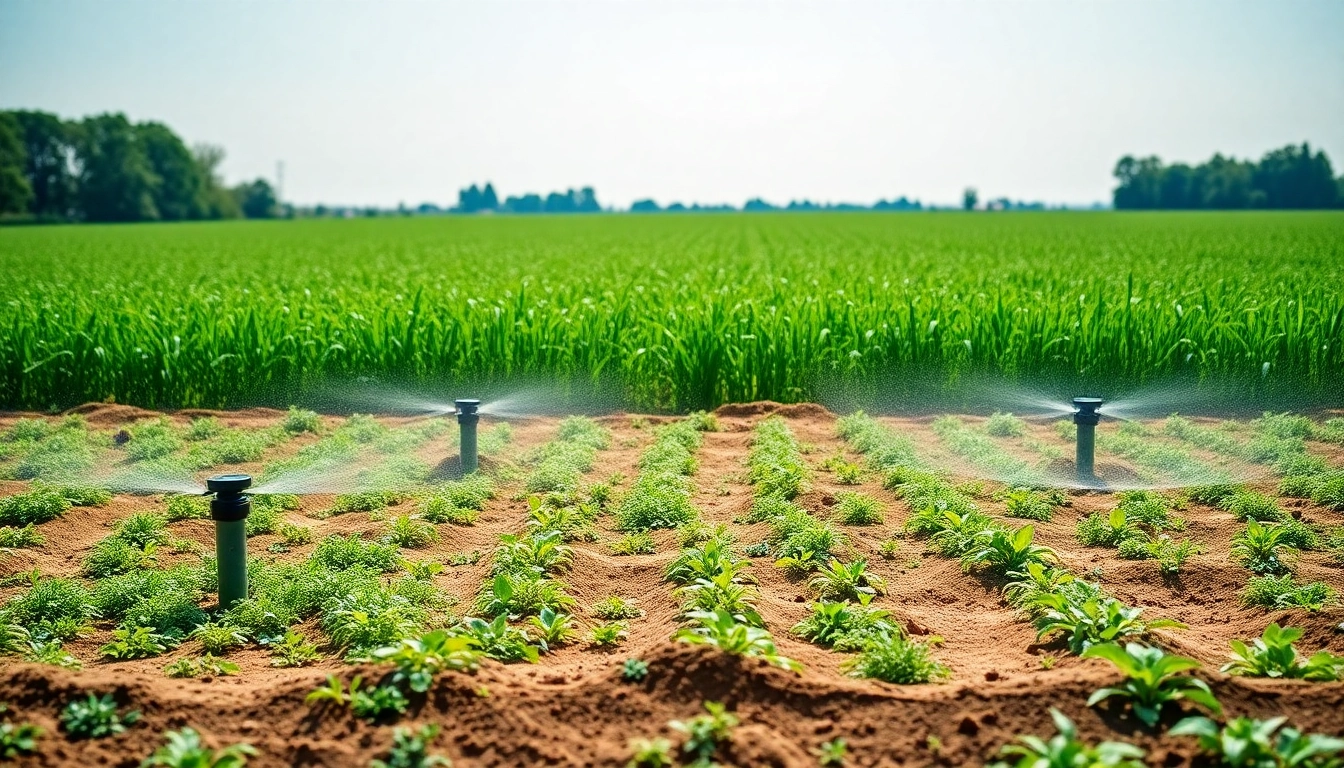
Sprinkler systems simulate rainfall, distributing water over the fields through a series of pipes and sprinklers. This method is versatile and can be adapted to various crop types and field sizes.
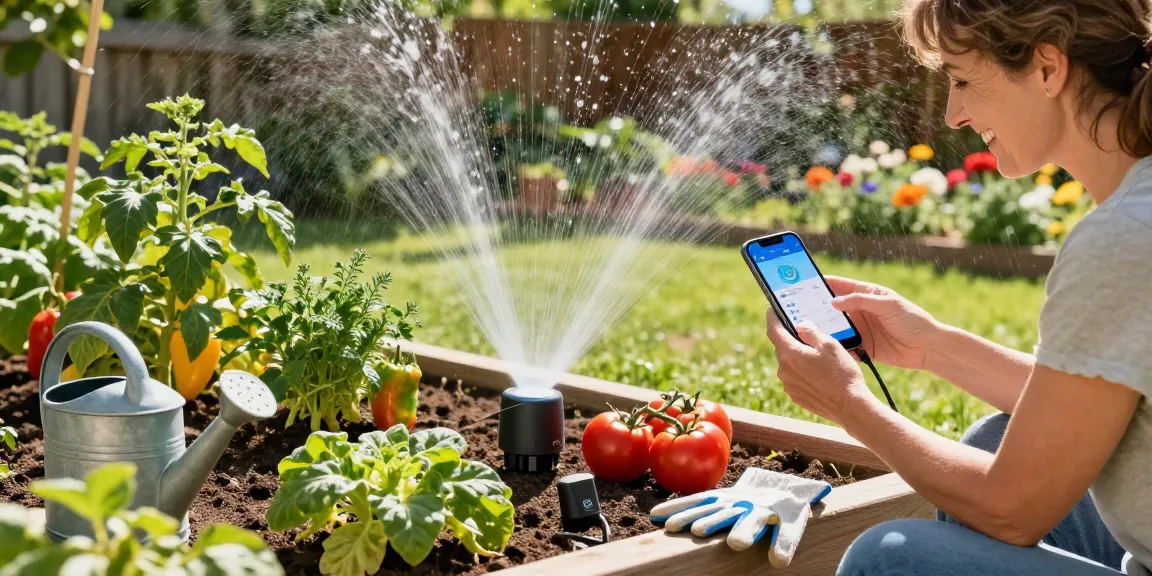
Modern sprinkler systems come equipped with timers and moisture sensors, allowing for precise control over water applications. The efficiency of these systems is influenced by factors such as wind, pressure, and the size of droplets produced. When designed and managed well, sprinkler irrigation can reduce labor costs and improve water distribution uniformity. However, it’s essential to consider the initial investment and operational costs associated with running pump systems and maintaining sprinklers.
Choosing the Right Land Irrigation System
Factors Influencing System Selection
Selecting the right land irrigation system involves evaluating several critical factors that can influence success:
- Crop Type: Different crops have varying water needs, influencing the choice of irrigation system. For instance, root vegetables may benefit from drip irrigation, while cereals can thrive under surface methods.
- Soil Characteristics: The soil's texture, retention capacity, and drainage properties will affect how water is distributed. Clay soils may retain water longer, while sandy soils may require more frequent irrigation.
- Water Availability: The source and reliability of water supply should guide system selection. Regions with limited water resources may require high-efficiency systems like drip irrigation.
- Field Topography: The landscape's slope and layout can determine the feasibility of certain irrigation methods. For example, gravity-based surface irrigation is less effective on steep slopes.
Cost Considerations and Budgeting
The cost of implementing a land irrigation system can vary widely based on the chosen method, field size, and desired technology. Budgeting should encompass initial capital costs, ongoing maintenance, and operation expenses.
Farmers must conduct a thorough cost-benefit analysis when selecting an irrigation system. High-efficiency systems like drip irrigation may have a higher upfront cost but translate to long-term savings through reduced water usage and increased yields. Financial incentives or grants may be available in some regions to support the adoption of sustainable irrigation practices.
Regional Climate Impacts on Choices
Regional climate plays a significant role in determining the most appropriate land irrigation system. Areas with low and unpredictable rainfall patterns often necessitate more efficient irrigation methods to ensure crop survival and productivity.
Farmers in arid and semi-arid areas are more likely to benefit from drip irrigation or sprinkler systems equipped with moisture sensors. Conversely, regions that experience regular rainfall might still opt for traditional surface irrigation, relying on natural precipitation supplemented by irrigation only during dry periods. Understanding local climate dynamics is crucial for optimizing irrigation practices and managing water resources effectively.
Challenges in Land Irrigation
Water Management and Conservation Issues
Effective water management stands as one of the greatest challenges facing land irrigation today. Over-extraction of water resources can lead to depletion of aquifers and negatively impact ecosystems.
Farmers must implement water conservation practices to mitigate such challenges. Techniques such as rainwater harvesting, optimizing irrigation scheduling, and using water-efficient technologies can significantly reduce water footprint. Understanding local water regulations and adhering to conservation practices is vital ensures the sustainability of water resources.
Soil Health and Fertility Concerns
Over-irrigating can lead to soil degradation, causing issues like salinization, erosion, and nutrient leaching. Farmers need to strike a balance between providing adequate moisture and maintaining soil health.
Regular soil testing can help monitor nutrient levels and inform irrigation practices. Implementing crop rotation and cover cropping can enhance soil fertility and structure. Additionally, integrating organic amendments can support soil health and improve water retention capabilities, ultimately benefiting crop yields.
Regulatory Considerations and Compliance
Regulatory frameworks governing water usage vary by region and can significantly impact land irrigation practices. Farmers must navigate these regulations to ensure compliance and maintain their farming licenses.
Understanding local water rights, usage restrictions, and environmental protection laws is essential for efficient water management. Engaging with agricultural extension services can provide resources and guidance on compliant irrigation practices. Building relationships with local water authorities is also valuable in addressing any regulatory challenges that may arise.
The Future of Land Irrigation
Innovations in Irrigation Technology
The future of land irrigation is being shaped by rapid technological advancements that promise to enhance efficiency and sustainability. Innovations such as automation, smart irrigation systems, and data analytics are transforming traditional irrigation techniques.
Smart irrigation systems use sensors and real-time data to determine the optimal amount of water needed, adjusting irrigation schedules automatically. Additionally, precision agriculture technologies—including drones and satellite imagery—allow farmers to monitor crop health and moisture levels, leading to targeted watering practices that conserve resources.
Environmental Impact and Sustainability Practices
As water scarcity becomes an increasing concern worldwide, environmental sustainability practices in land irrigation are becoming paramount. Emphasizing eco-friendly systems that promote water conservation can help mitigate environmental impacts.
Implementing integrated agricultural practices, such as agroforestry and permaculture, can enhance biodiversity and water retention. Water recycling systems that repurpose wastewater for irrigation present another avenue for sustainable practices. By embracing these innovations and practices, agriculture can become more resilient in the face of climate change.
Case Studies and Successful Implementations
Analyzing successful case studies highlights the effectiveness of various land irrigation systems. For instance, a case study focusing on a region using drip irrigation revealed significant water savings and increased crop yields, demonstrating the system's potential in water-scarce areas.
Another relevant case is aimed at traditional farmers adopting sprinkler systems, which allowed them to boost efficiency during seasonal water shortages. Furthermore, regions integrating soil health improvement practices observed not just enhanced crop resilience but also came closer to sustainability goals, setting benchmarks for irrigation strategies worldwide.
Frequently Asked Questions (FAQs)
What is the most efficient irrigation method?
Drip irrigation is often considered the most efficient method, delivering water directly to plant roots and minimizing evaporation and runoff.
How can I reduce water wastage in irrigation?
Implementing smart irrigation systems, using soil moisture sensors, and following proper irrigation scheduling can significantly reduce water wastage.
What impact does irrigation have on soil health?
While irrigation can enhance crop growth, over-irrigation may lead to soil salinization and nutrient leaching. Proper management practices are vital to maintaining soil health.
Are there regulations for water use in agriculture?
Yes, water use in agriculture is often subject to local regulations and permits, focusing on sustainability and protecting water resources.
How can technology improve irrigation practices?
Technologies such as smart sensors, automation, and data analytics can optimize irrigation efficiency and help farmers make informed decisions about water use.