Getting Started with Gardening Basics
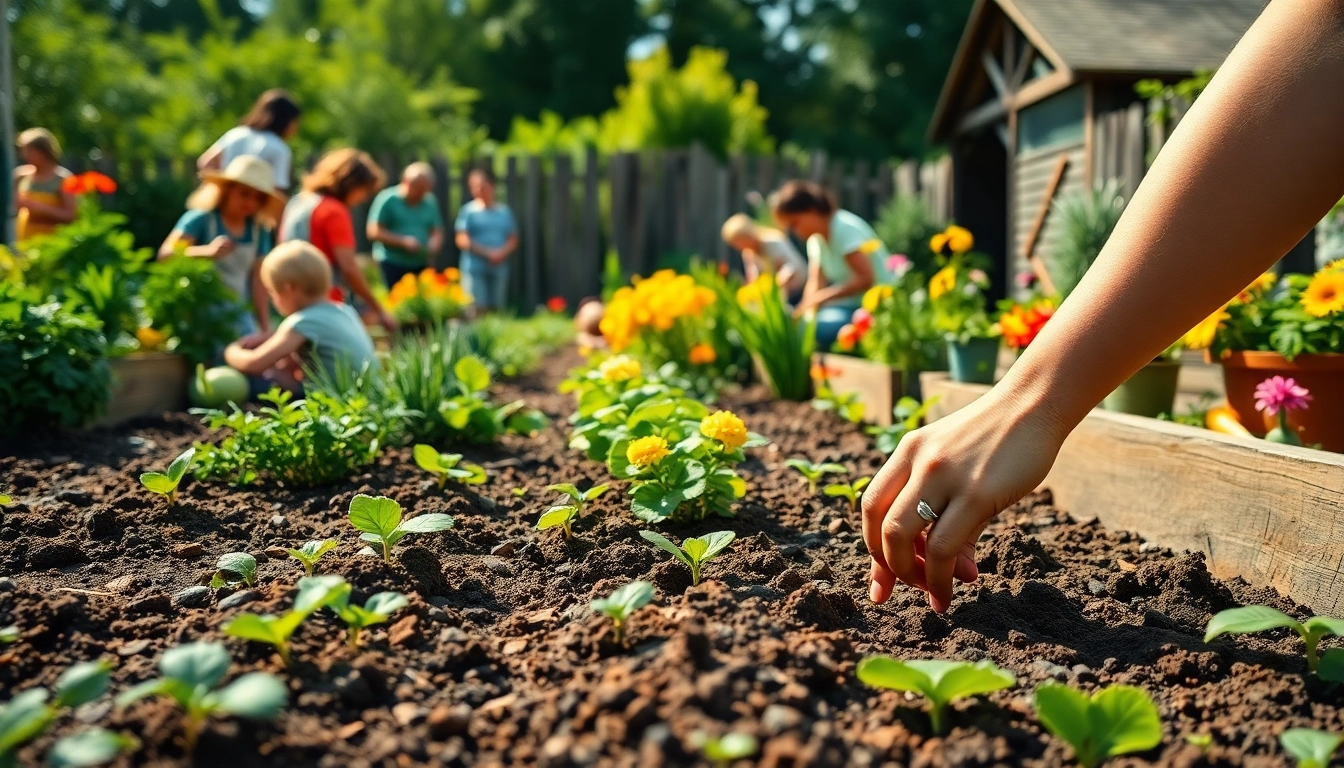
Gardening is a fulfilling and engaging hobby that allows you to connect with nature while cultivating a beautiful and productive space. Whether you dream of growing your own vegetables or creating a vibrant flower garden, getting started with the right foundational knowledge is essential. Understanding the basics can significantly impact your gardening experience, from soil selection to effective maintenance. With proper guidance and resources, you can transform any available space into a flourishing garden. There are numerous Gardening resources available to help you along the way.
Understanding Soil Types and Their Importance
Soil is the foundation of any garden. It provides the necessary nutrients, water, and support that plants need to thrive. Understanding the different soil types is crucial for determining what you can grow and how to care for your plants effectively. There are three main types of soil: sandy, loamy, and clay.
- Sandy Soil: This type drains quickly but lacks nutrients. While it is easy to work with and warms up fast in spring, it requires frequent watering and regular nutrient supplementation.
- Loamy Soil: Often described as ideal, loamy soil is a balanced combination of sand, silt, and clay. It retains moisture, has excellent drainage capabilities, and is rich in nutrients, making it perfect for most plants.
- Clay Soil: Clay soil tends to be heavy and retains moisture well but drains poorly. This type can be difficult to work with, especially when wet. However, it is nutrient-rich and can be improved by adding organic matter.
Conducting a simple soil test can help you understand the pH level and nutrient content in your soil. Based on these results, you may need to amend your soil with organic materials, such as compost or peat moss, to enhance its fertility and structure.
Choosing the Right Location for Your Garden
Location can significantly affect the success of your garden. Different plants have varying sunlight and space requirements. Here are some key considerations:
- Sunlight: Most vegetables and flowers require at least six hours of direct sunlight per day. Observe your garden space throughout the day to determine sun patterns and identify the optimal spots for planting.
- Water Accessibility: Proximity to a water source is essential for maintaining consistent moisture levels. Ensure that your garden is convenient enough to water regularly.
- Protection from Elements: Consider any environmental challenges, such as high winds or pests that could harm your plants. Using fencing or selecting areas with some natural barriers can mitigate these factors.
By carefully selecting the location, you can create an environment conducive to plant growth and ensure your garden's long-term success.
Essential Tools Every Gardener Needs
Equipping yourself with the right gardening tools is essential for maintaining an efficient and enjoyable gardening experience. Here are some must-have tools:
- Hand Trowel: A versatile tool for digging small holes, planting, and weeding.
- Pruning Shears: Essential for trimming plants and controlling growth, these help maintain the health and aesthetics of your garden.
- Garden Fork: Allows you to aerate soil and mix in compost or fertilizers effectively.
- Rake and Hoe: Perfect for clearing debris and preparing garden beds.
- Watering Can or Hose: Ensure consistent hydration by using a watering can for small gardens or a hose with various attachments for larger spaces.
Investing in high-quality tools that suit your gardening style will enhance your experience and efficiency, making your gardening efforts productive and enjoyable.
Exploring Plant Varieties for Your Garden
Choosing the right plants is a critical step in creating your garden. Consider your climate zone, soil, and space availability while selecting plant varieties to ensure they thrive in your environment.
Best Vegetables for Beginners and Their Care
Starting with vegetables can be highly rewarding, especially for beginners. Here are some easy-to-grow vegetables and the care they require:
- Tomatoes: Require full sun and well-drained soil. Regular watering is critical, especially during dry spells. Use cages or stakes for support.
- Lettuce: Grows quickly and prefers cooler temperatures. Sow seeds in raised beds and ensure consistent moisture to avoid bitterness.
- Radishes: One of the fastest-growing vegetables, radishes are sown directly in the garden. They prefer cooler weather and should be harvested promptly to avoid becoming tough.
- Carrots: Require deep, loose soil for optimal growth. Patience is essential as they take longer to mature but are well worth the wait.
By starting with these vegetables, beginners can build confidence while learning about the intricacies of plant care.
Flowers to Enhance Your Garden’s Aesthetics
Incorporating flowers into your garden can boost aesthetics and attract beneficial pollinators. Consider these ornamental flowers:
- Marigolds: Vibrant and easy to grow, marigolds can deter pests while enhancing color in your garden.
- Sunflowers: These cheerful blooms attract pollinators and can grow in various soils. They thrive with full sun exposure.
- Pansies: Available in a range of colors, pansies add a pop of color and are suitable for cooler seasons.
- Lavender: Not only beautiful, but it also attracts pollinators and produces a lovely fragrance while being drought-resistant.
Selecting flowers based on your taste and compatibility can enhance your garden's visual appeal and ecological balance.
Herbs that Thrive in Home Gardens
Herbs are perfect for beginners due to their low maintenance and culinary versatility. Here are some herbs that flourish in home gardens:
- Basil: Loves warm weather and requires plenty of sun. Regular harvesting encourages bushy growth.
- Mint: Grows vigorously, making it necessary to confine it to pots to prevent spreading. Thrives in both sun and shade.
- Rosemary: A hardy perennial that prefers well-drained soil. Drought-tolerant once established.
- Thyme: Prefers full sun and well-drained soil. Great for culinary uses and attracts beneficial insects.
By incorporating herbs into your garden, you add a dynamic element that enhances flavor in your meals and contributes to the garden's overall diversity.
Effective Gardening Techniques for Maintenance
Once you have established your garden, ongoing care and maintenance are crucial. Implementing effective gardening techniques ensures your plants remain healthy and productive.
Irrigation Methods: Keeping Your Plants Hydrated
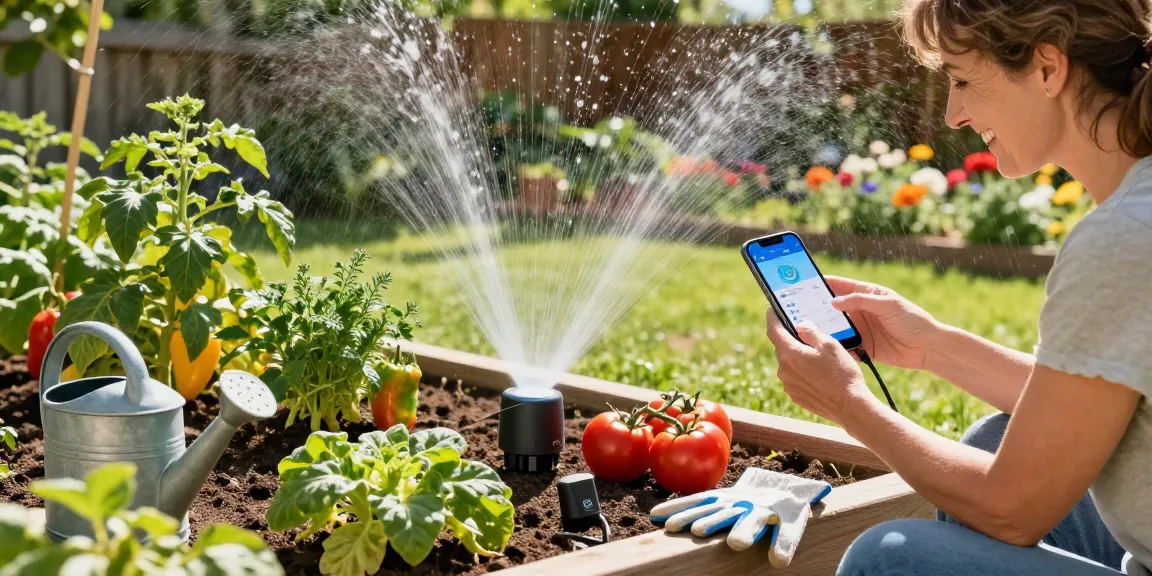
Proper watering strategies are vital for plant health. Understanding various irrigation methods can help maintain optimal moisture levels:
- Drip Irrigation: This efficient method delivers water directly to the root zone of plants, minimizing waste and reducing weed growth.
- Soaker Hoses: These hoses allow slow, deep watering, especially beneficial in raised beds and vegetable gardens.
- Rainwater Collection: Collecting rainwater is an eco-friendly way to water your garden. Creating a rain barrel can reduce your conservation footprint and provide ample hydration.
Selecting the best irrigation method for your garden size and plant types will result in healthier growth and reduced water waste.
Pruning and Trimming: Best Practices Explained
Proper pruning and trimming promote healthy growth and shape your plants. Here are some best practices to keep in mind:
- Timing: Prune flowering plants right after their blooming season to encourage new growth without sacrificing future blooms.
- Tools: Always use sharp, clean tools to prevent virus transfer and ensure clean cuts.
- Technique: Cut just above outward-facing buds to encourage a balanced shape. For bushes, remove dead, weak, or diseased branches to improve airflow.
Regular pruning enhances the aesthetic appeal and encourages stronger, healthier growth within your garden.
Organic Pest Control Solutions for Healthy Growth
Managing pests naturally is crucial for maintaining a healthy garden ecosystem. Here are some organic pest control methods:
- Natural Predators: Introducing beneficial insects like ladybugs and lacewings can naturally control pest populations.
- Neem Oil: This natural pesticide disrupts insect life cycles without harming beneficial insects or pollinators.
- Companion Planting: Grow pest-repelling plants like marigolds alongside vegetables to deter unwanted visitors.
By implementing these organic strategies, you can minimize pest issues without resorting to harmful chemicals, resulting in a healthier garden.
Seasonal Gardening: Adapting to Change
Your garden requires different care techniques based on the season. Understanding how to adapt these methods accordingly will ensure continued success throughout the year.
Spring Planting: Timing and Techniques
Spring is the prime time to start planting. Here are some tips for successful spring gardening:
- Soil Preparation: Amend your soil with organic matter to improve its structure and nutrient content. Test pH levels to ensure optimal conditions.
- Timing: Start planting after the last frost date in your region. Consult local gardening guides to identify the optimal planting timeline for your specific crops.
- Seedlings: If starting plants indoors, harden them off before transferring them outdoors to help them acclimatize.
By following these best practices, you’ll set a solid foundation for the growing season.
Summer Care: Maintaining Heat-Resistant Plants
Summer care requires focusing on heat management and hydration:
- Mulching: Apply a layer of mulch around your plants to conserve moisture and keep roots cool.
- Regular Watering: Water early or late in the day to prevent evaporation loss. Deep watering encourages roots to grow deeper into the soil.
- Shade Protection: Establish temporary shade structures for young or sensitive plants during extreme heat.
With careful summer care, you can ensure your plants thrive all season long.
Preparing Your Garden for Fall and Winter
As autumn approaches, it’s important to prepare your garden for colder months:
- Harvesting: Gather any remaining fruits and vegetables before the first frost hits to enjoy the fruits of your labor.
- Cleaning Up: Remove dead plant material to prevent disease and pest problems. Consider composting healthy debris.
- Cover Crops: Planting cover crops in fall can enhance soil health and prevent erosion during the winter.
Taking these steps will help you protect your garden and promote a healthier environment for the next growing season.
Beyond Basics: Advanced Gardening Strategies
Once you're comfortable with basic gardening techniques, you can explore more advanced strategies to enhance your gardening experience.
Creating a Sustainable Garden with Composting
Composting provides an excellent way to recycle organic waste into nutrient-rich soil, benefiting your garden in several ways:
- Materials: Use kitchen scraps, yard waste, and even certain paper products. Avoid adding meat or dairy to prevent pests.
- Compost Structure: Aim for a balanced mixture of browns (carbon-rich) and greens (nitrogen-rich) for effective composting.
- Regular Turning: Aerate the compost pile every few weeks to promote decomposition and maintain even moisture.
By utilizing composting, you’ll reduce landfill waste while generating high-quality organic fertilizer for your garden.
Vertical Gardening: Maximizing Space Effectively
If you have limited outdoor space, vertical gardening can be a game-changer. Here’s how to implement this technique:
- Selecting Plants: Choose climbing species such as beans, cucumbers, or vining flowers that can thrive in a vertical setup.
- Supporting Structures: Use trellises, arbors, or hanging containers to create vertical space without sacrificing ground area.
- Aesthetic Appeal: Incorporate colorful flowers or edible plants upwards for an attractive and functional display.
This innovative approach allows you to cultivate diverse plants in condensed areas and maximize sunlight exposure.
Understanding Plant Companionship for Optimal Growth
Companion planting involves growing complementary plants together to enhance growth, deter pests, and promote biodiversity. Examples include:
- Tomatoes and Basil: These two thrive together, enhancing flavor while repelling pests.
- Carrots and Radishes: Radishes can help break up soil for carrots while deterring pests that attack the roots.
- Beans and Corn: Beans provide nitrogen for corn and can climb its stalks effectively.
By understanding plant companionship, you can design a garden that fosters a harmonious ecosystem, leading to healthier and more productive plants.