Understanding the Importance of Trade Show Displays
In today's competitive marketplace, businesses constantly seek effective ways to enhance their visibility and engage with potential clients. One potent tool in achieving this goal is through trade show displays. These displays serve as physical manifestations of a company's brand and message at industry events, connecting businesses with their target audience while creating memorable experiences. In this article, we will delve into the many facets of trade show displays, highlighting their significance and offering insights on how to maximize their potential.
The Role of Trade Show Displays in Brand Awareness
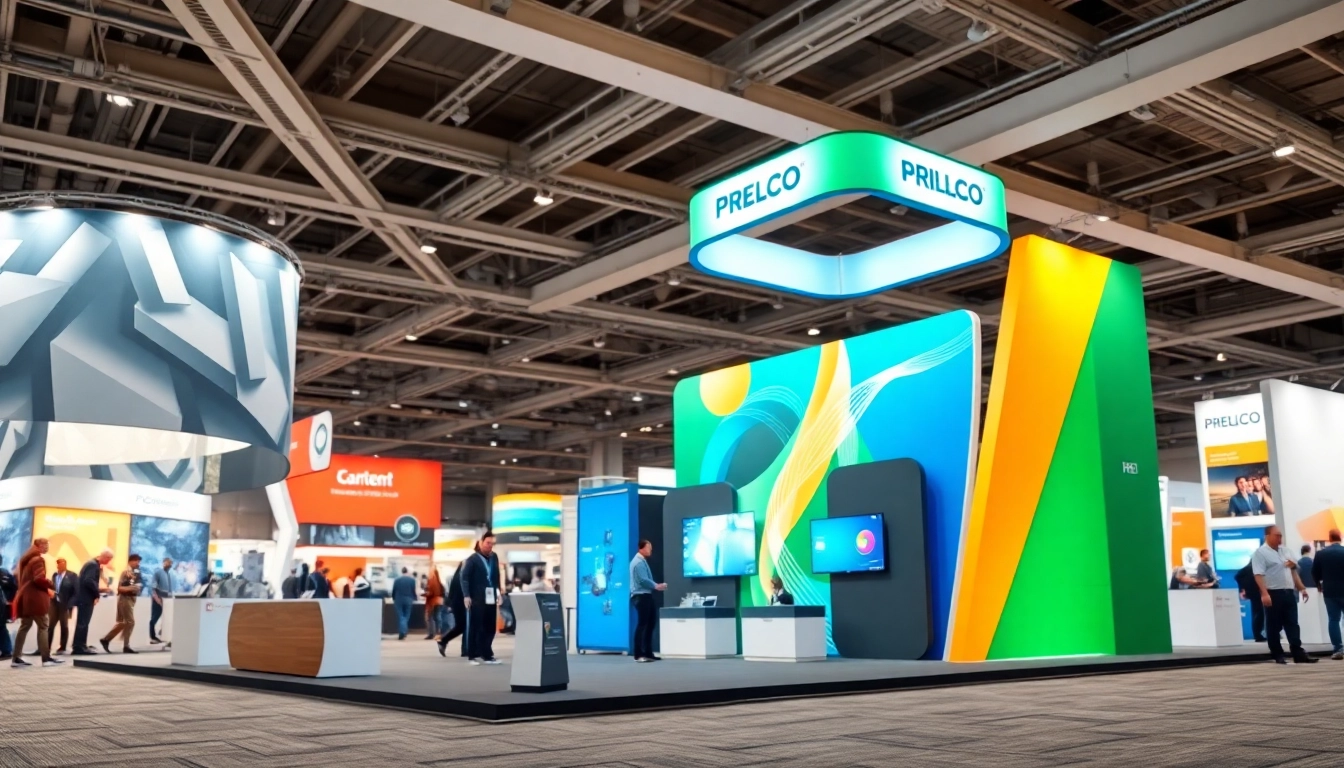
Trade shows present a unique opportunity for businesses to showcase their products and services. An eye-catching display can attract the attention of passersby and potential clients, creating a powerful first impression. The visual appeal of trade show displays plays a crucial role in brand awareness: it can communicate a brand's values, mission, and unique selling propositions in an instant. The colors, layouts, and designs used need to be consistent with the company's branding to foster recognition and trust among consumers.
Choosing the Right Type of Trade Show Displays
Not all trade show displays are created equal; the choice of display should align with the company's objectives, target audience, and exhibition space. Companies can choose from a variety of display types, including:
- Pop-Up Displays: Known for their portability and ease of assembly, pop-up displays are ideal for businesses seeking a quick setup to engage with attendees. They often feature vibrant graphics that can capture interest swiftly.
- Backlit Displays: These displays include LED lighting that enhances visibility, making them especially effective in dimly lit exhibition hallways. The illuminated graphics draw attention and create a warm atmosphere.
- Tabletop Displays: Compact and budget-friendly, tabletop displays are suitable for smaller exhibitions or as a supplement to larger setups. They serve as informative stations where attendees can learn more about products and services.
- Custom-built Displays: For businesses with specific branding needs and unique spatial designs, custom exhibits provide tailored solutions that integrate various elements, delivering a bespoke experience to visitors.
Before selecting a type of display, it's critical to assess the layout of the exhibition space, potential foot traffic, and how you intend to engage your audience.
Key Benefits of Custom Trade Show Displays
While pre-made trade show displays offer convenience, custom displays provide several advantages that can enhance a company’s presence at a trade show. Here are some key benefits:
- Unique Branding: Custom displays help businesses stand out with unique designs tailored to their brand's identity and values. This differentiation can leave a lasting impression and foster stronger brand recall.
- Tailored Experience: A custom display allows for a layout that fits your specific requirements, improving visitor interaction and engagement.
- Maximized ROI: While initial costs may be higher, custom displays often lead to better engagement and return on investment due to increased visitor traffic and sales conversions.
Understanding these benefits is vital in making informed decisions about trade show display investments.
Essential Elements of Effective Trade Show Displays
The success of any trade show display hinges on its ability to engage and attract visitors. Here are some essential elements to consider when designing effective trade show displays:
Designing Eye-Catching Graphics for Trade Show Displays
The visuals of a trade show display are arguably the most significant aspect. Effective graphics should be clear, compelling, and reflective of your brand. Here are some design principles to apply:
- Simplicity: Avoid cluttering your display with too much information. A clean, focused design with a concise messaging approach will be more effective.
- Contrast: Utilize contrasting colors to enhance readability and attract attention. Popular industry colors may set you apart or blend in, so choose wisely based on your target audience.
- Visual Hierarchy: Ensure that critical information, like your company logo and main message, is prominent. Use larger fonts for headlines and smaller fonts for additional details.
Consider incorporating visually striking elements such as high-resolution images, infographics, or videos that encapsulate your offerings and business ethos.
Functional Layouts: Maximizing Space with Trade Show Displays
A well-thought-out layout can make browsing your display intuitive and engaging. Here are some tips for maximizing the functionality of your trade show display:
- Open Design: Design your layout to allow easy access and movement. Encouraging interaction with your display can be a catalyst for genuine conversations and lead generation.
- This is not a one-way street: Provide interactive elements that invite participation. For instance, consider offering demos of your products or services that attendees can engage with directly.
- Traffic Flow: Position your display to optimize foot traffic flow, directing visitors to key areas of interest while ensuring they can easily exit and re-enter your space.
Creating a space where visitors feel comfortable and invited will enhance their experience and increase the chances of conversion.
Incorporating Technology into Trade Show Displays
In today’s tech-savvy environment, infusing technology into trade show displays can significantly elevate the way businesses connect with visitors. Here are some popular tech elements:
- Interactive Touchscreens: These can display product catalogs, videos, or interactive presentations that allow visitors to explore your offerings more thoroughly.
- Augmented Reality (AR): AR technology allows visitors to visualize your products in real time or experience immersive brand narratives that bring your offerings to life.
- Lead Retrieval Technology: Use QR codes or NFC-enabled technology that attendees can scan with their phones for quick access to information and opportunities for follow-ups after the show.
Investing in such technologies can distinctly modernize your trade show display and help create memorable experiences for your visitors.
Best Practices for Set-Up and Dismantling of Trade Show Displays
Creating an impactful display goes beyond its design; the set-up and dismantling process are just as important for maintaining professionalism and efficiency. Following best practices in these areas will ensure you maximize the benefits of your investment.
Pre-Event Preparation for Trade Show Displays
Preparation is paramount when it comes to trade shows. The better prepared you are, the smoother the event will go. Consider the following steps:
- Check All Equipment: Before the event, confirm that all display components, technology, and promotional materials are present and in working order to avoid delays during set-up.
- Create a Set-Up Plan: Develop a step-by-step guide for set-up that includes a layout diagram and checklists for each component needed to optimize efficiency during execution.
- Schedule a Trial Run: Conduct a practice set-up in a controlled environment to uncover potential issues and to ensure everyone on your team understands their roles.
By following these steps, you can minimize complications during the real event, allowing your team to focus on engaging visitors rather than troubleshooting problems.
Efficient Set-Up Techniques for Trade Show Displays
On the event day, time efficiency is critical. Here are techniques to ensure that your set-up goes smoothly:
- Assign Roles: Clearly assign roles to your team members for the set-up process. This not only distributes the workload but also helps ensure that each aspect of the display is handled by an individual who knows it well.
- Utilize Modular Designs: Modular displays are easier to assemble and dismantle, helping your team set everything up faster.
- Optimize Workflows: Strategically position boxes and components for easy access. Implementing a workflow that mirrors the final display layout can save valuable time.
Implementing these techniques can streamline your set-up, allowing you to effectively manage other aspects of your booth during the show.
Safe and Timely Dismantling of Trade Show Displays
The dismantling process is just as important as setting up. Here are some best practices for disassembly:
- Plan Ahead: Know the timing for disassembly. It’s crucial to be aware of the event’s designated dismantling timeframe to avoid incurring penalties or fees.
- Document the Process: Create a checklist similar to the set-up guide to help the team ensure everything is disassembled and packed correctly to avoid losses.
- Protect Your Materials: Ensure all components are cleaned, handled carefully, and stored properly to preserve them for future events.
A smooth dismantling process shows professionalism and respect for event organizers, which can benefit relationships for future opportunities.
Measuring the Success of Trade Show Displays
To justify the investment in trade show displays, businesses must measure their success effectively. This tracking allows for data-driven decisions for future events.
Key Performance Indicators for Trade Show Displays
Establishing clear KPIs prior to the event can help evaluate the success of your display. Consider the following metrics:
- Foot Traffic: Measure the number of visitors to your booth. This can be done with clickers, registration sweeps, or electronic tracking technologies.
- Leads Generated: Track the number of contacts collected that qualify as potential customers; this reflects directly on the effectiveness of your display in generating interest.
- Engagement Activities: Monitor participation in engagement activities such as product demos, surveys, or giveaways as they indicate how well visitors interact with your display.
Setting specific targets for these KPIs provides a benchmark to assess your performance and effectiveness at the event.
Gathering Feedback from Attendees on Trade Show Displays
Direct feedback from attendees represents invaluable insight for improving future displays. Methods to gather this feedback include:
- Surveys: Offer quick on-site surveys to visitors regarding their experience at your booth, focusing on aspects they liked or areas for improvement.
- One-on-one Conversations: Encourage your team to engage with attendees and solicit their impressions post-visit. This can foster valuable feedback and real interactions that go beyond a digital form.
- Social Media Monitoring: Pay attention to online mentions and sentiments regarding your booth during and after the event, as social media can provide unsolicited feedback regarding your display and engagement efforts.
Utilizing varied feedback channels will yield comprehensive insights, which can inform your strategy for future events.
Analyzing Engagement Metrics Post-Event for Trade Show Displays
Post-event analysis is crucial to understand the overall effectiveness of a trade show display. To evaluate engagement metrics:
- Database Growth: Analyze increases in your marketing database and assess the quality of leads added as a measure of success.
- Follow-Up Conversions: Track how many of your leads convert into sales over time to gauge the long-term viability of the leads generated at the event.
- Measurement Against KPIs: Compare the collected data against your pre-defined KPIs to determine whether you met, exceeded, or fell short of your objectives.
This analysis offers actionable insights for optimizing future trade shows and refining your overall marketing strategy.
Future Trends in Trade Show Displays
As technology and consumer preferences evolve, so do trade show displays. Keeping abreast of future trends can help businesses stay ahead of the curve and continuously engage their audience effectively.
Eco-Friendly Materials for Trade Show Displays
With increasing awareness of environmental sustainability, many brands are now leaning towards eco-friendly materials for their trade show displays. Options such as:
- Recycled fabrics for banners
- Sustainable wood for display structures
- Biodegradable promotional materials
These materials not only reduce environmental impact but also resonate strongly with consumers who prioritize sustainability, positioning brands as socially responsible.
The Rise of Virtual Trade Show Displays
The COVID-19 pandemic has accelerated the adoption of virtual trade shows, prompting many businesses to integrate virtual elements into their displays. These may include:
- Virtual Booths: Online platforms are now enabling brands to create fully interactive virtual booths where attendees can learn about products and connect with representatives.
- Live Webinars: Including live demonstrations or presentations streamed from your physical booth can engage online attendees who may not be present.
- On-Demand Content: Providing recorded product demos or testimonials allows attendees to interact with your brand at their convenience.
This blended approach maximizes reach and fosters inclusivity while ensuring that businesses can maintain connections even in a digital landscape.
Innovative Designs and Technologies in Trade Show Displays
As technology advances, innovative solutions such as holographic displays, artificial intelligence (AI) assistants, and modular spaces are making their mark in the trade show landscape. These design technologies can:
- Create Immersive Experiences: Employing immersive technologies like virtual reality (VR) can transport visitors to environments that showcase products or services compellingly and memorably.
- Enhance Customer Interactions: AI-driven tools can engage visitors in personalized content or product sliders, creating tailored experiences that cater to individual needs.
- Dynamic Displays: Using motion sensors or smart screens that respond to visitor engagement can create captivating experiences that keep attendees at your booth longer.
Innovation in design and technology ensures that trade show displays can continually offer fresh, engaging encounters that captivate audiences.