Understanding Our Children's Vision and Its Importance
Defining Our Children's Vision
Vision is a fundamental sense that affects everything from how children perceive the world around them to how they interact with it. Specifically, the term Our Children's Vision encapsulates the notion of safeguarding and promoting healthy vision among children. It involves understanding their visual development, common issues related to vision, and actionable steps that parents and caregivers can take to ensure optimal visual health.
The Role of Vision in Child Development
A developing child uses vision to explore and learn about their environment. Good vision is crucial for various developmental aspects including cognitive, social, and emotional growth. Children with good vision can perform better academically, showing fewer signs of learning difficulties. Moreover, vision influences a child's ability to engage in sports and activities, fostering physical health and establishing social skills.
Notably, vision allows children to develop spatial awareness; it facilitates their ability to navigate through space and interact with objects, thus fostering independence. Practically, this means that vision not only contributes to academic skills like reading and writing but also assists in the development of fine motor skills through activities like drawing or building with blocks.
Common Challenges to Our Children's Vision
Despite its importance, many children face visual challenges that can hinder their development. A significant percentage of children suffer from refractive errors such as myopia, hyperopia, and astigmatism. These conditions can lead to difficulties in learning and overall quality of life. Other challenges can include amblyopia, commonly referred to as “lazy eye,” which can lead to permanent vision loss if not addressed promptly.
In addition to refractive errors, children may experience visual processing disorders, which affect how their brain processes visual information. This can manifest in academic struggles, as a child may struggle to comprehend what they see on a page. Parents, educators, and healthcare professionals must work collaboratively to identify and address these vision challenges early on, ensuring that interventions can be implemented to support the child’s visual health and development.
Promoting Healthy Visual Development
Best Practices for Early Childhood
Promoting healthy vision in early childhood requires proactive steps by caregivers and educators alike. One of the best practices is ensuring regular eye examinations. Children should have their vision screened by an eye care professional around the age of 6 months, followed by additional screenings by age 3, and again before entering school. Early detection leads to early intervention, which is crucial for effective treatment.
Additionally, maintaining a conducive environment for visual development is essential. This includes minimizing glare from screens and ensuring that children do not read or engage with visual materials in dim lighting. Encouraging breaks during prolonged visual tasks can also mitigate eye strain, thereby supporting better visual health.
Nutrition and Its Impact on Vision
Nutrition plays a vital role in the development of a child's vision. A diet rich in essential vitamins such as A, C, and E, along with omega-3 fatty acids, contributes significantly to eye health. Foods such as leafy greens, carrots, eggs, and fatty fish provide the necessary nutrients to support the retina and overall visual acuity.
Moreover, hydration is often overlooked but is crucial for maintaining eye moisture. Encourage children to drink water regularly and limit sugary beverages that can contribute to other health issues. Supplementing a healthy diet with vitamins as recommended by a healthcare provider can further support ocular health, enhancing children’s visual development.
Physical Activities to Strengthen Eyesight
Physical activity doesn’t just enhance overall fitness; it plays a significant role in vision development too. Activities that require depth perception, hand-eye coordination, and tracking motion can improve visual skills. Sports such as basketball, soccer, or swimming encourage children to use their vision in dynamic environments, promoting better eye health and athletic skills.
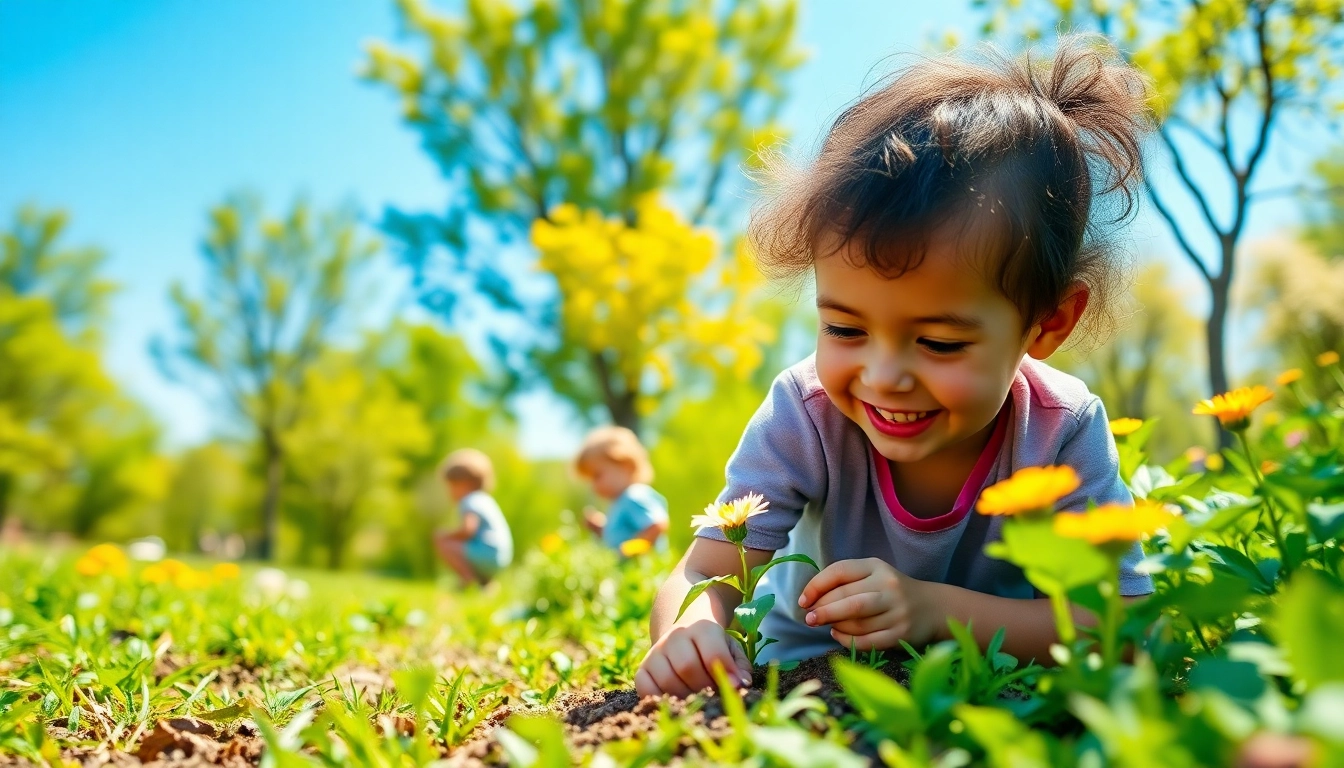
Additionally, outdoor play has significant benefits. Studies suggest that spending time outdoors reduces the risk of developing nearsightedness. This could be due to a combination of factors including increased exposure to natural light and opportunities for the eyes to focus on distant objects.
Innovative Tools and Techniques for Enhancing Our Children's Vision
Using Technology Responsibly
While technology can undermine visual health through excessive screen time, it can also offer beneficial tools to aid visual development if used responsibly. Educational apps and programs are now available that encourage active learning and visual engagement through games and activities designed to strengthen children's sight.
Parents should set guidelines for screen time that include regular breaks and ensure that the screen is at a proper distance to reduce eye strain. Choosing age-appropriate content that stimulates brain development while closely monitoring usage can help strike a balance between the negative and positive aspects of technology on our children's vision.
Vision Games and Activities
Integrating fun into visual health can be effective. Vision games, such as puzzles and matching games, can stimulate visual processing and improve concentration among children. Moreover, outdoor games that emphasize tracking and depth perception, such as catch or tag, can refine visual skills while promoting physical health.
Additionally, arts and crafts activities like coloring, painting, and drawing enhance fine motor skills and improve hand-eye coordination, addressing both visual and physical development comprehensively. Making visual exercises enjoyable fosters a lifelong love for learning and helps in sustaining engagement in activities that support eye health.
Seeking Professional Guidance
Professional input is invaluable in ensuring healthy vision for children. Optometrists and pediatric ophthalmologists offer assessments that can identify hidden issues early. Beyond diagnosis, these professionals can provide guidance tailored to individual needs, suggesting appropriate interventions, exercises, or therapy that can greatly benefit children's visual development.
Furthermore, family history and lifestyle questions gathered during these checks can provide further insight into an individual child’s risks and requirements. Proactive engagement with eye care specialists ensures ongoing monitoring and adaptation of strategies to support the child’s evolving needs as they grow.
Evaluating Our Children's Vision Over Time
Regular Eye Exams: What to Expect
Regular eye exams are critical for assessing and maintaining Our Children's Vision. These examinations typically involve a variety of tests that measure visual acuity, depth perception, eye alignment, and overall ocular health. Parents can expect visual acuity tests where children read letters off a chart, and assessment of how well each eye works individually.
For very young children, methods may include looking at pictures or shapes rather than letters. Professional assessments usually reveal any issues present and may recommend follow-up appointments for treatment or continued monitoring.
Signs of Visual Problems in Children
Being vigilant for signs of vision problems is essential. Parents and caregivers should look for indicators such as squinting when reading, difficulty focusing on moving objects, complaints of headaches, or frequent rubbing of the eyes. Behavioral clues, like hesitance to engage in reading or crafts, can also suggest visual difficulties.
In more severe cases, children may exhibit signs of laziness in one eye or tilt their head to see better. Identifying these signs as early as possible is vital since early intervention can greatly improve outcomes and quality of life for the affected child.
Tracking Progress and Adjusting Strategies
Once a child has been diagnosed with a vision issue, tracking their progress becomes paramount. Parents should maintain regular follow-ups with eye care professionals and document changes in vision and response to any treatments prescribed. Keeping a log of activities that improve or worsen vision can provide invaluable insight into the effectiveness of strategies over time.
Adjusting approaches based on observed progress plays a key role in supporting the child's visual health. Whether it's changing the environment, increasing outdoor playtime, or modifying screen time, staying engaged and flexible is crucial in creating a supportive framework for ongoing visual development.
Creating a Supportive Environment for Our Children's Vision
Optimal Lighting and Screen Time Management
The environment in which children learn and play greatly influences their visual health. Ensuring optimal lighting is vital for reducing eye strain and fatigue. Natural light is beneficial; therefore, positioning reading activities near windows when possible can enhance visual comfort.
Moreover, it is essential to implement screen time management strategies. The American Academy of Pediatrics offers guidelines suggesting limited screen time, particularly for younger children. Setting time limits, taking breaks every 20 minutes, and ensuring screens are kept at least an arm's length away can help maintain visual health.
Encouraging Outdoor Play
Encouraging outdoor play should be a priority for all parents and caregivers. Exposure to sunlight not only supports overall health through Vitamin D production but may also reduce the risk of developing myopia. Activities in natural settings offer children opportunities to utilize their vision engaged in diverse and dynamic scenarios, fostering development not just physically but also cognitively.
Moreover, incorporating family outings outdoors can enrich children's visual experiences, from nature walks to community sports. Such inclusivity fosters social and emotional growth while promoting a lifetime love for active, healthy lifestyles.
Building Community Awareness and Involvement
Building community awareness regarding the importance of visual health can have lasting effects. Involving schools, local health organizations, and community groups to promote eye health initiatives, such as free screenings, educational seminars, and workshops, can significantly increase awareness among families.
Encouraging participation in community events that focus on children's health empowers parents to prioritize visual wellness for their children. Collaborating with local stakeholders not only strengthens community bonds but also fosters a culture that values and supports Our Children's Vision.