
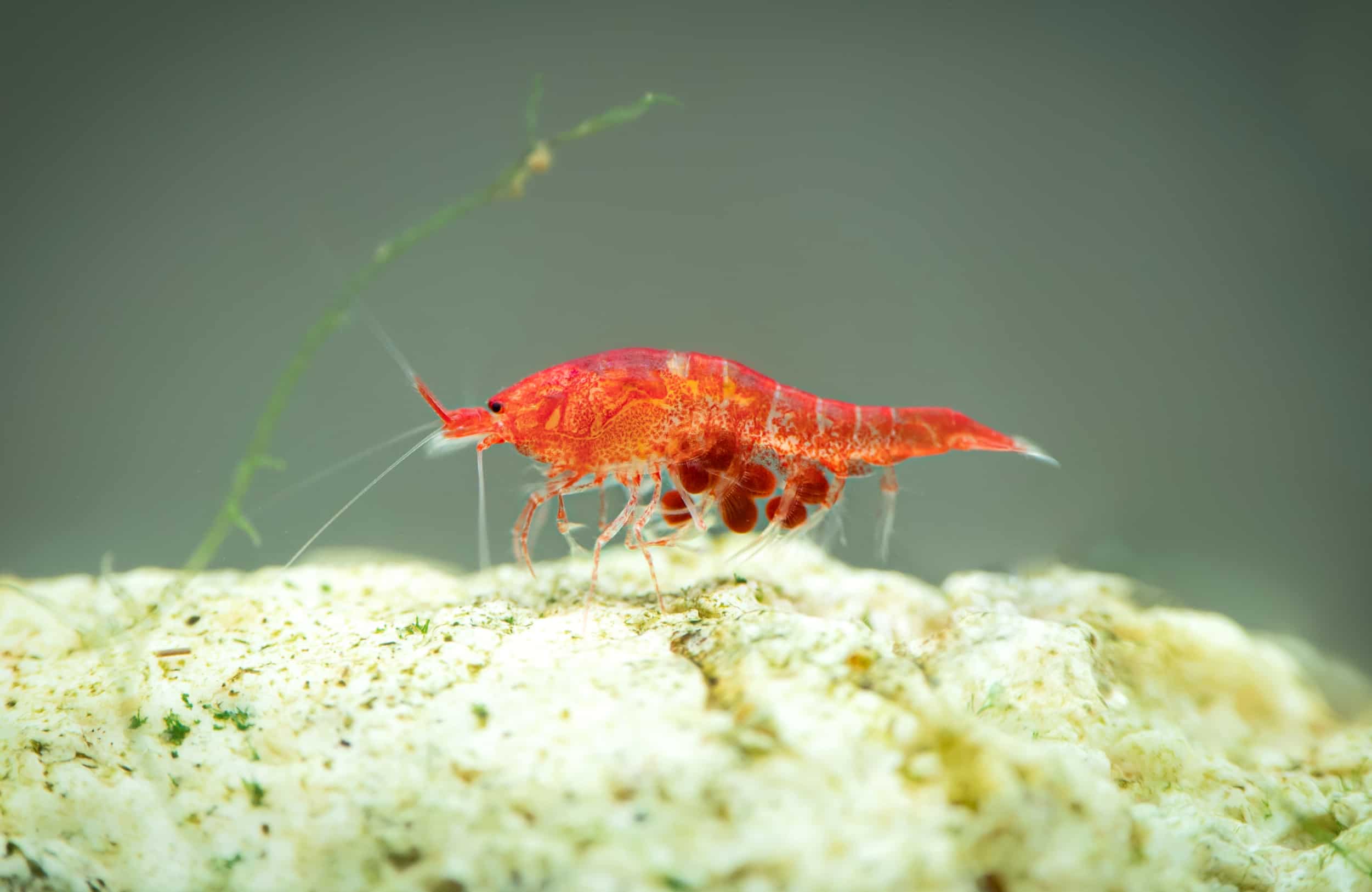
Opae ula are fascinating freshwater shrimp native to Hawaii, known for their bright red coloration and remarkable lifespan. Unlike most shrimp species, which typically live only a few years, Opae ula can thrive for up to 20 years under the right conditions. These unique creatures have captivated aquarists and researchers alike due to their longevity, adaptability, and the vibrant energy they bring to aquariums and natural habitats.
The Origin and Habitat of Opae Ula
Opae ula are endemic to Hawaii, meaning they are found nowhere else in the world. Their natural habitats include freshwater pools, streams, and volcanic rock formations where water is rich in minerals. These shrimp are highly resilient, surviving in both low and high pH environments, which makes them ideal for aquarium enthusiasts. The adaptability of Opae ula to diverse conditions contributes significantly to their extended lifespan.
Lifespan and Longevity of Opae Ula
One of the most remarkable aspects of Opae ula is their potential to live up to 20 years. This longevity is unusual among shrimp species and is influenced by factors such as water quality, diet, and habitat stability. In the wild, Opae ula can thrive for decades in protected environments with minimal predators and abundant food. In captivity, replicating these conditions can help ensure that your Opae ula reach their full lifespan potential.
Physical Characteristics of Opae Ula
Opae ula are small, typically measuring between 0.5 and 1 inch in length. Their signature bright red color makes them easily recognizable and visually striking. The vibrant hue of Opae ula can vary slightly depending on their diet and environment, but healthy shrimp consistently maintain a deep red shade. Additionally, their transparent legs and antennae add to their delicate, captivating appearance.
Diet and Feeding Habits
The diet of Opae ula is diverse and includes algae, biofilm, and small organic particles. In captivity, they thrive on a mix of commercially available shrimp food, blanched vegetables, and occasional protein sources. Maintaining a consistent and balanced diet is crucial for the long-term health and longevity of Opae ula. Overfeeding can lead to water contamination, while underfeeding may shorten their lifespan.
Ideal Aquarium Conditions for Opae Ula
To support the extended lifespan of Opae ula, it’s important to provide optimal aquarium conditions. They prefer slightly acidic to neutral water with temperatures ranging between 70°F and 80°F. Hiding spaces such as rocks, driftwood, and aquatic plants mimic their natural habitat, reduce stress, and encourage breeding. Regular water changes and monitoring of water parameters are essential to keep Opae ula healthy and vibrant.
Reproduction and Breeding
Breeding Opae ula in captivity is relatively straightforward compared to other shrimp species. Females carry eggs in their swimmerets until hatching, which typically occurs in freshwater environments. Baby shrimp, or larvae, are tiny but resilient and can survive in the same water conditions as adults. Successful breeding contributes to maintaining the population of Opae ula, allowing aquarists to enjoy these beautiful shrimp for many years.
Behavior and Social Structure
Opae ula are peaceful and social creatures. They often congregate in groups, grazing on algae and interacting with each other. Their behavior is fascinating to observe, as they use their antennae to explore their surroundings and communicate with other shrimp. Stress-free environments promote natural behaviors, contributing to the overall well-being and longevity of Opae ula.
Health and Common Issues
While Opae ula are hardy, they can be susceptible to water quality issues, diseases, and sudden environmental changes. Maintaining stable water conditions, a clean aquarium, and a proper diet minimizes the risk of illness. Monitoring Opae ula regularly for signs of stress, such as color fading or lethargy, ensures they remain healthy and continue to thrive for years.
The Appeal of Opae Ula for Aquarists
Many aquarists are drawn to Opae ula because of their long lifespan, striking color, and ease of care. Unlike other short-lived shrimp species, Opae ula allow enthusiasts to form a long-term bond with their aquarium pets. Observing these shrimp over many years can be both rewarding and educational, offering insight into freshwater ecosystems and the unique qualities of Hawaiian wildlife.
Conservation and Environmental Importance
Protecting the natural habitats of Opae ula is vital for their survival. Human activities, pollution, and habitat destruction threaten wild populations. Responsible collection practices and habitat conservation help ensure that these remarkable shrimp continue to thrive in the wild and in captivity. By understanding and respecting the ecological role of Opae ula, we contribute to the preservation of Hawaii’s unique biodiversity.
Conclusion
Opae ula shrimp are truly extraordinary creatures. Their ability to live up to 20 years, combined with their vibrant color, adaptability, and peaceful nature, makes them a standout species in the world of freshwater aquariums. By providing optimal care, balanced nutrition, and a stable environment, aquarists can enjoy the beauty and companionship of Opae ula for decades. Whether in the wild or in captivity, these tiny red shrimp offer a glimpse into the resilience and splendor of Hawaiian aquatic life.