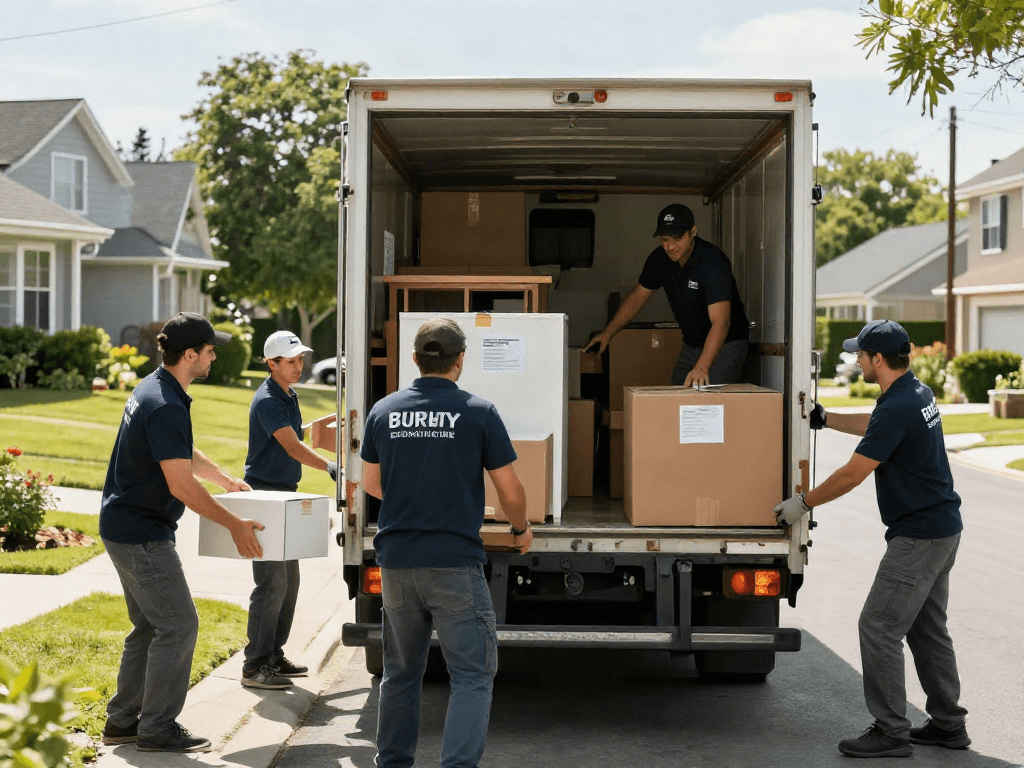
Understanding the Role of Movers in Relocation
When it comes to relocating, whether it's across town or nationwide, the role of movers is essential. They facilitate a process that can often be overwhelming, providing professional assistance that encompasses every stage of your move. From packing and loading to transporting and unpacking, professional movers help streamline the entire experience, ensuring that individuals and families can transition smoothly into their new homes.
What Movers Do: A Comprehensive Overview
Movers play a pivotal role in helping you transition from one location to another. Their primary responsibilities include:
- Packing: This involves securely packing all your belongings to protect them during transit.
- Loading: Movers are trained to load items efficiently onto the moving truck to maximize space and minimize damage.
- Transporting: They handle the logistics of transporting your items safely to your new location.
- Unloading: Once they arrive, movers will carefully unload your items and place them in designated areas.
- Unpacking: Some moving companies also offer unpacking services, making it easier to settle into your new space.
Types of Moving Services Offered
Movers provide a variety of services tailored to meet different needs. These can include:
- Residential Moves: Helping families and individuals move from one home to another.
- Commercial Moves: Facilitating the relocation of businesses, offices, and corporate facilities.
- Long-Distance Moves: Services for those relocating across state lines, often involving more complex logistics.
- Specialty Moves: Moving delicate items like pianos, art, or antiques that require extra care.
- International Moves: Assisting with relocations overseas, including customs and international shipping.
Why Professional Movers Are a Smart Choice
Choosing professional movers comes with significant advantages:
- Expertise: Movers have the training and experience to handle various challenges that may arise during a move.
- Efficiency: They can complete the moving process more quickly than most individuals, reducing downtime.
- Safety: Professional movers know how to handle heavy items safely, minimizing the risk of injury.
- Stress Reduction: Outsourcing tasks allows you to focus on other aspects of your move, from establishing utilities to adjusting to your new neighborhood.
Choosing the Right Moving Company
Selecting the right moving company is crucial for a successful relocation experience. With so many options out there, it’s essential to know what to look for and what to avoid.
Factors to Consider in Selecting Movers
When choosing a moving company, consider the following factors:
- Reputation: Look for companies with positive reviews and a solid track record.
- Services Offered: Ensure the company provides the services you need, whether it's packing or specialty moving.
- Price: Get estimates from multiple companies but beware of quotes that seem too low; they may indicate subpar service.
- Insurance: Verify what insurance options are available to protect your belongings during the move.
How to Verify a Moving Company’s Credentials
To ensure legitimacy, check that the moving company is licensed and insured. You can:
- Look up their USDOT number if they operate across state lines.
- Verify state licensing for local movers.
- Request certificates or proof of insurance.
Reading Reviews and Testimonials Effectively
Customer reviews can provide valuable insights into a moving company’s performance. Look for:
- Consistency in positive feedback.
- Responses from the company to negative reviews, showing their commitment to customer service.
- Detailed stories that give context to experiences rather than generic reviews.
Preparing for Your Move
Preparation is key to a successful move. Proper planning can make a significant difference in minimizing stress and ensuring everything runs smoothly.
Best Practices for Packing Your Belongings
Efficient packing can save time and prevent damage. Here are some best practices:
- Start early and pack room by room.
- Use high-quality packing materials, including boxes, tape, and bubble wrap.
- Label each box clearly with contents and the room it belongs to.
- Keep an essentials box for items you'll need immediately upon arrival.
Creating an Efficient Moving Timeline
Establishing a moving timeline can help keep you organized. Consider the following steps:
- Create a checklist of tasks to complete before moving day.
- Schedule visits from moving companies for estimates at least 6-8 weeks in advance.
- Set deadlines for packing each room, ideally finishing at least a week before your move.
Decluttering: What to Keep, Sell, or Donate
Before packing, take the time to declutter. Consider the following:
- Keep items that are essential or bring you joy.
- Sell items that are in good condition but no longer needed.
- Donate or recycle items that are broken or not worth selling.
What to Expect on Moving Day
Moving day can be overwhelming, so being prepared is essential. Knowing what to expect can help simplify the process.
Day-of Checklist: Ensuring a Smooth Move
Prepare a checklist for moving day that includes:
- Confirming arrival times with the moving company.
- Having a designated area for movers to park and unload.
- Making sure pathways are clear for easy access.
- Ensuring your phone is charged to keep in touch with the movers.
Common Challenges and How Movers Overcome Them
Challenges can arise during any move, such as:
- Heavy Lifting: Movers are trained to handle large or bulky items to prevent injury.
- Weather Conditions: Movers can adjust scheduling or packing methods based on weather forecasts.
- Space Constraints: They have techniques for navigating tight spaces and maximizing truck capacity.
Understanding the Moving Process: Step-by-Step
The moving process typically follows these steps:
- Consultation with the moving company.
- Assessment and estimate.
- Scheduling of the move.
- Packing and preparation.
- Transportation and unloading.
- Unpacking and settling in.
Future Trends in the Moving Industry
The moving industry is evolving, and staying informed about trends can help you choose the best services available.
Emerging Technologies Shaping Moving Services
Technological advancements are streamlining relocations. Notable developments include:
- Mobile Apps: Many moving companies now offer apps that allow you to track shipments and communicate easily.
- Virtual Surveys: Potential customers can have their homes surveyed via video technology, eliminating the need for in-person visits.
- Automated Inventory Systems: Software that catalogs your items can simplify packing and ensure nothing is forgotten.
Eco-Friendly Practices in Modern Moving
As awareness of environmental issues increases, many movers are adopting greener practices, such as:
- Using biodegradable packing materials.
- Incorporating fuel-efficient vehicles into their fleets.
- Promoting recycling initiatives for unwanted items.
How Movers Will Adapt to New Consumer Needs by 2026
In response to shifting consumer expectations, moving companies are likely to adapt in the following ways:
- Enhanced transparency in pricing and service offerings.
- More flexible scheduling options to accommodate last-minute changes.
- Increased focus on customer support and satisfaction throughout the moving journey.
What should I look for when hiring movers?
When hiring movers, prioritize their reputation, services offered, and price transparency to find the best fit for your needs.
How can I prepare my home for professional movers?
Preparing your home involves decluttering, creating a clear path for easy access, and ensuring that all areas are ready for loading and unloading.
What are the costs associated with hiring movers?
Costs can vary widely based on distance, size of the move, and services required. Get a comprehensive estimate before finalizing your decision.
How do movers handle fragile items?
Movers use specialized packing materials and techniques to protect fragile items, ensuring they are securely packed and labeled to minimize risk during transport.
Are there any tips for making the move less stressful?
To reduce stress, start early, stay organized, and consider hiring professional help for packing and heavy lifting. Keep communication open with your movers to ensure all needs are met.