
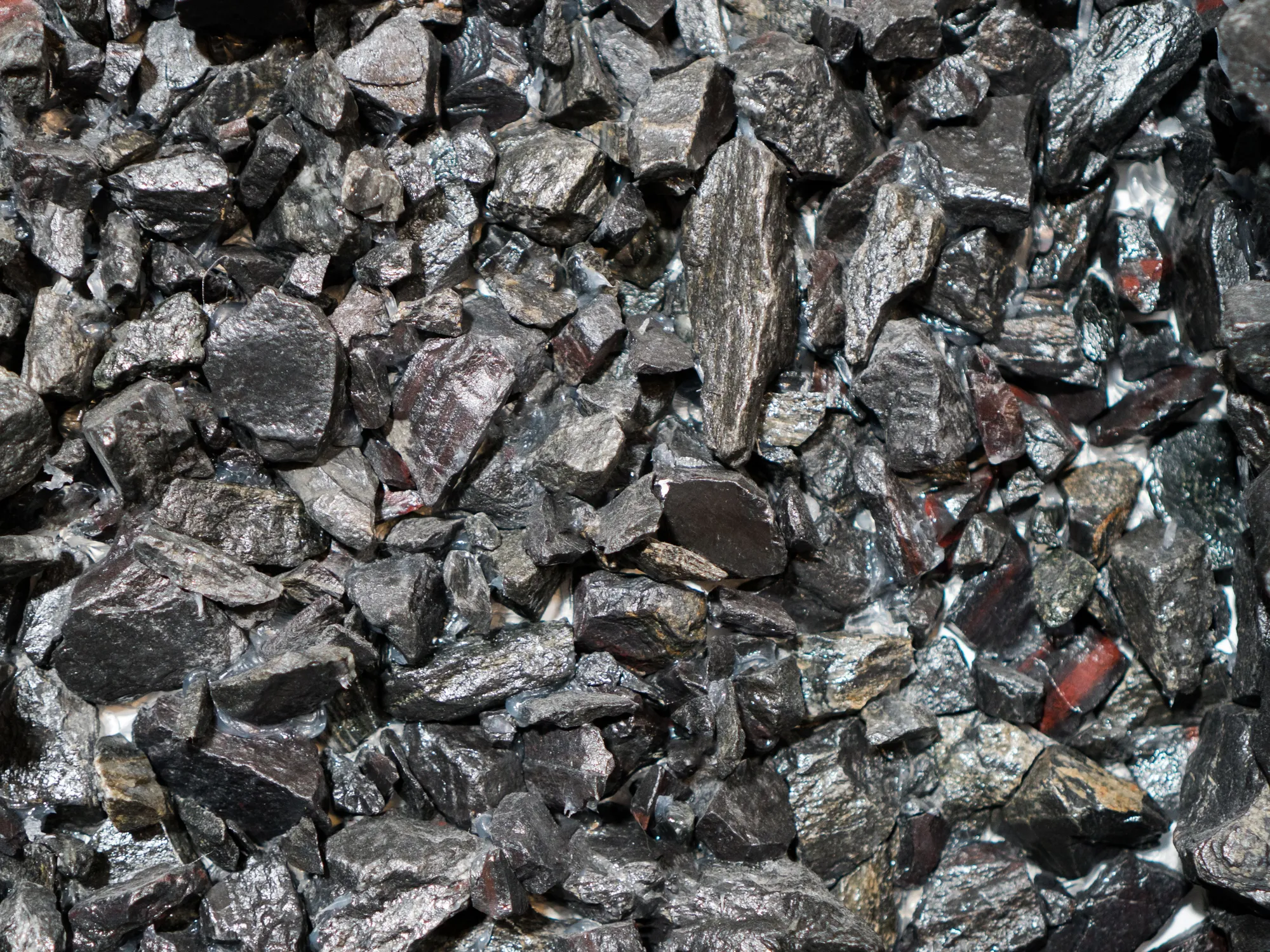
In today’s competitive industrial landscape, sourcing Iron ore requires more than simply selecting a supplier. Buyers must ensure that every shipment meets quality, reliability, and compliance standards. Due diligence has become a critical step in securing dependable Iron ore supply, reducing risks, and protecting long-term operational stability. For manufacturers, traders, and procurement teams, understanding how to perform effective due diligence is essential for maintaining uninterrupted production.
Why Due Diligence Matters in Iron ore Procurement
The global Iron ore market is fast-moving and often volatile. Without proper due diligence, buyers risk delays, inconsistent quality, and unexpected financial exposure. Thorough verification allows companies to confidently partner with suppliers who can consistently meet their Iron ore needs.
Ensuring Supplier Credibility
Verifying the reputation and track record of a supplier is crucial. Reliable sellers of Iron ore maintain strong export histories, transparent documentation, and proven delivery performance. Due diligence helps buyers filter out unreliable or unverified suppliers who may disrupt production timelines.
Reducing Financial and Operational Risk
The stakes are high when purchasing Iron ore in bulk. Ensuring that suppliers meet compliance, financial stability, and logistical capability standards protects buyers from costly setbacks. Due diligence minimizes the risk of shipment failures, quality disputes, and hidden contract terms.
Key Steps in Conducting Effective Due Diligence
A strong due-diligence framework provides clarity and consistency in sourcing decisions. Buyers should evaluate suppliers using a structured, multi-step approach that protects long-term procurement goals.
Verifying Legal and Compliance Documentation
Buyers must confirm that a supplier holds valid mining licenses, export permits, and certificates of origin. These documents ensure that all Iron ore shipments follow international standards and legal requirements.
Assessing Production Capacity
Evaluating a supplier’s production volume and resource availability confirms whether they can deliver consistent Iron ore quantities. Understanding mine output, reserve life, and seasonal variations prevents unexpected shortages.
Inspecting Quality Assurance Procedures
Quality verification is one of the most important due-diligence steps. Suppliers should offer detailed reports containing Fe content, impurities, sizing, and moisture levels. Reliable Iron ore providers use third-party labs to ensure accuracy and compliance with industrial specifications.
The Role of Logistics in Due Diligence
Even when a supplier meets all quality and production standards, logistics issues can still disrupt Iron ore supply. Buyers must include logistics assessments in their due-diligence process to maintain smooth shipment flow.
Evaluating Port and Transport Capabilities
A supplier’s access to efficient ports and transport networks determines how reliably they can deliver Iron ore. Port congestion, vessel availability, and loading speed all influence delivery timelines.
Reviewing Shipment Tracking Systems
Modern logistics depend on visibility. Suppliers that provide real-time tracking and digital documentation reduce uncertainty in Iron ore transport and help buyers plan production schedules more accurately.
Supplier Reputation and Market Standing
The reputation of a supplier reveals much about their reliability. Buyers should prioritize Iron ore suppliers who have strong relationships with global manufacturers, traders, and logistics companies.
Past Performance and Client Feedback
Reviewing export histories and client testimonials helps buyers evaluate supplier commitment and consistency. Reliable Iron ore suppliers demonstrate steady performance across varying market conditions.
Transparency and Communication
A supplier willing to share detailed information, reports, and shipment data demonstrates professionalism and reliability. Open communication ensures smoother coordination for every Iron ore delivery.
Technology-Driven Due Diligence
Digital tools make due diligence more accurate and efficient. From online verification to AI-driven risk assessment, technology strengthens the sourcing process and enhances decision-making.
Digital Verification Platforms
Buyers can validate company registrations, certifications, and compliance records using verified platforms. These tools provide fast, accurate insights into Iron ore suppliers’ operational backgrounds.
Data Analytics for Market Insight
AI-powered analytics allow buyers to track global production trends, price movements, and supply-chain risks. These insights support smarter sourcing strategies and help forecast optimal purchasing periods for Iron ore.
Long-Term Benefits of Strong Due Diligence
Due diligence is not a one-time task but a continuous process that strengthens supply-chain resilience. Companies that practice thorough verification consistently outperform those that rely on assumptions or unverified relationships.
Improved Supply Stability
Reliable suppliers ensure steady access to Iron ore, reducing disruptions and production delays. Consistency enhances efficiency across manufacturing, construction, and industrial operations.
Reduced Cost and Contract Risk
By working only with trustworthy partners, buyers avoid inflated pricing, unexpected fees, and contractual misunderstandings. Strong due diligence results in long-term value for every Iron ore purchase.
Conclusion
Effective due diligence is the foundation of successful Iron ore sourcing. By verifying supplier credibility, assessing quality, reviewing logistics, and leveraging digital tools, buyers can secure stable and dependable supply. With a robust due-diligence strategy, businesses protect themselves from risks and ensure long-term operational strength in the competitive global Iron ore market.