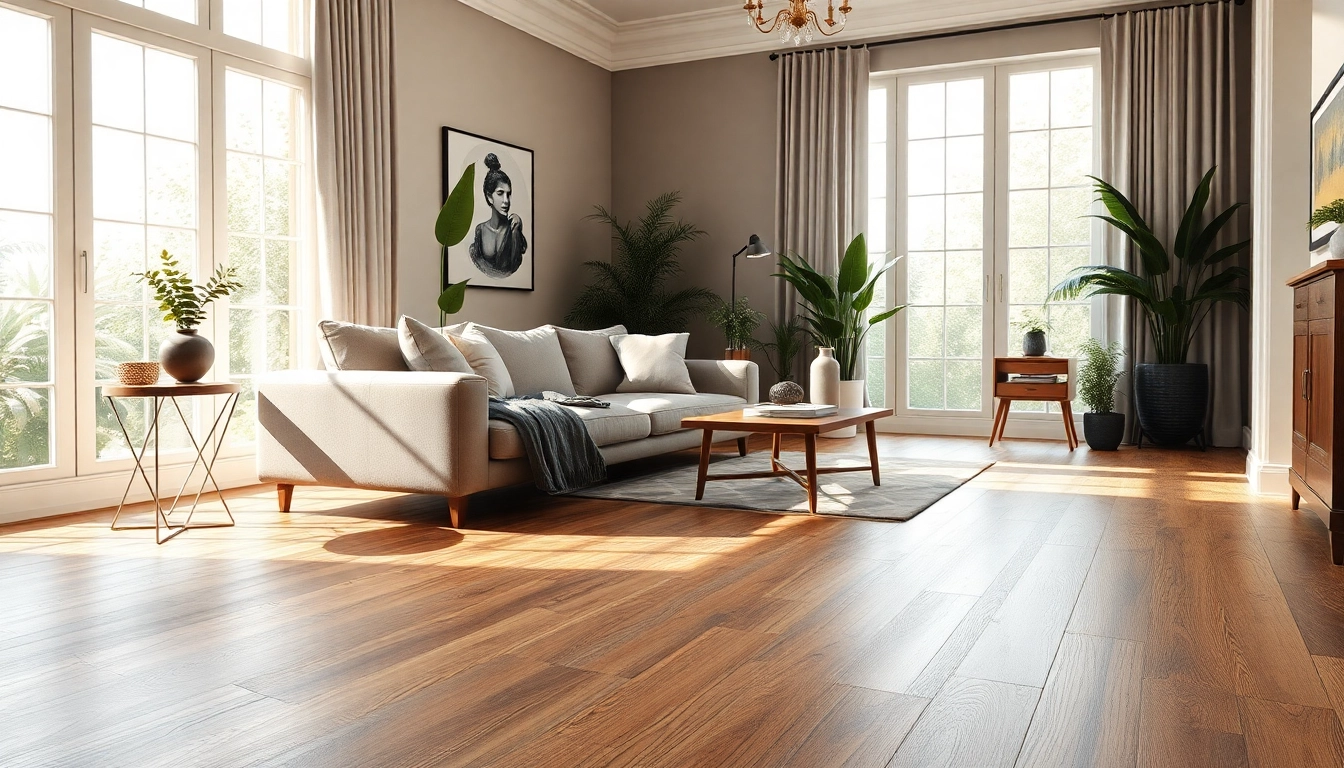
Understanding Vinyl Flooring: Basics and Benefits
What is Vinyl Flooring?
Vinyl flooring is a synthetic flooring option made primarily from polyvinyl chloride (PVC), making it durable, flexible, and waterproof. It mimics the appearance of natural materials like wood or stone while offering numerous practical benefits. Different forms of vinyl flooring include sheets, tiles, and luxury vinyl planks (LVP), each offering varying aesthetics and functionalities. The versatility and affordability of vinyl flooring have made it a popular choice for residential and commercial spaces alike.
Advantages of Vinyl Flooring
There are several compelling advantages to choosing vinyl flooring:
- Affordability: Vinyl flooring generally costs less than hardwood, laminate, or tile options. Its budget-friendly price makes it accessible for various projects.
- Water Resistance: Many vinyl flooring types are waterproof, making them ideal for moisture-prone areas such as kitchens, bathrooms, and basements.
- Comfort: Vinyl flooring offers a softer feel underfoot than harder materials, providing additional comfort for standing or walking.
- Easy Maintenance: Cleaning vinyl flooring is a breeze; regular sweeping and occasional mopping with a gentle cleaner will keep it looking new.
- Design Versatility: Available in an array of colors, patterns, and textures, vinyl flooring can seamlessly complement any interior decor style.
Common Myths About Vinyl Flooring
Despite its popularity, several myths can mislead consumers regarding vinyl flooring:
- Myth 1: Vinyl flooring is low quality. Reality: Modern vinyl flooring, especially luxury vinyl, offers high durability and aesthetic appeal, often rivaling natural materials.
- Myth 2: Vinyl flooring emits harmful chemicals. Reality: While older products might have contained VOCs, today’s vinyl flooring options are much safer and some even eco-friendly.
- Myth 3: Vinyl flooring can’t be repaired. Reality: Minor damages can often be repaired using patches or by replacing individual planks or tiles.
Types of Vinyl Flooring: What to Choose?
Luxury Vinyl Plank vs. Vinyl Tiles
When selecting vinyl flooring, understanding the differences between luxury vinyl plank (LVP) and vinyl tiles is essential:
- Luxury Vinyl Plank: Resembling hardwood, LVP provides an authentic wood appearance and texture. It’s ideal for spaces requiring a sophisticated ambiance.
- Vinyl Tiles: These typically mimic ceramic or stone, available in various designs and sizes, making them versatile for varied decor schemes.
Both options come with interlocking or glue-down installation methods, offering flexibility depending on your climate and installation preferences.
Design Options: Patterns and Textures
Vinyl flooring caters to all design preferences, available in a variety of:
- Patterns: From geometric designs to traditional motifs, the patterns can significantly influence a room's vibe.
- Textures: Textured vinyl can simulate the feel of natural materials, enhancing the realistic appearance further.
- Colors: Select from a wide color palette to find the perfect hue that harmonizes with your furnishings and accessories.
How to Select the Right Vinyl Flooring for Your Space
Choosing the appropriate vinyl flooring requires careful consideration of several factors:
- Room Functionality: Evaluate the room’s purpose, as high-traffic areas may benefit from more durable options.
- Style Compatibility: Ensure the selected design complements the overall aesthetics of your home or business.
- Budget: Determine your budget to narrow down options, keeping in mind the installation and maintenance costs associated with vinyl flooring.
- Comfort and Safety: Consider anti-slip finishes for areas where water spillage is a concern, particularly kitchens and bathrooms.
Installation Tips for Vinyl Flooring
Preparing Your Subfloor
Proper subfloor preparation is crucial for a successful vinyl flooring installation:
- Cleanliness: Ensure that the subfloor is clean, dry, and free from debris to allow for a proper bond.
- Smoothing: Fill any cracks or holes with a suitable filler and sand down high spots to create a smooth surface.
- Leveling: Check for levelness using a level tool; uneven surfaces may require additional underlayment to achieve the right height.
Step-by-Step Installation Guide
The installation of vinyl flooring can typically be accomplished in several straightforward steps:
- Measure the space to determine the amount of vinyl needed.
- Unroll the vinyl or place the tiles in your desired pattern, allowing time for acclimation.
- Begin laying the vinyl from one corner, either using a glue-down or peel-and-stick method.
- Cut the pieces to fit around obstacles, such as fixtures or door frames, using a vinyl cutter.
- Seal the edges as necessary with appropriate adhesive or caulking.
- Allow the flooring to settle; do not walk on it for at least 24 hours to ensure a proper bond.
DIY vs. Professional Installation: Pros and Cons
Deciding whether to hire professionals or tackle the installation yourself involves weighing the pros and cons:
- Pros: Cost savings and a sense of accomplishment.
- Cons: Requires time, effort, and skill; errors can lead to costly repairs.
- Pros: Expertise and efficiency; reduced risk of installation mistakes.
- Cons: Higher upfront costs that may not fit all budgets.
Maintaining Your Vinyl Flooring: Best Practices
Cleaning and Caring for Vinyl Flooring
Maintaining your vinyl flooring involves consistent cleaning and care techniques:
- Regular Cleaning: Sweep and vacuum weekly to prevent dirt and debris accumulation.
- Mopping: Use a damp mop and a non-abrasive cleaner for deeper cleaning sessions, avoiding excessive water exposure.
- Stains: For stubborn stains, use a mixture of equal parts vinegar and water or a commercial vinyl cleaner.
Preventative Measures to Extend Longevity
To prolong the life of your vinyl flooring:
- Use Rugs: Place rugs in high-traffic areas to minimize wear and tear.
- Furniture Pads: Attach pads under furniture legs to prevent scratches.
- Temperature Control: Maintain stable indoor temperatures to prevent expansion and contraction, which can lead to warping.
When to Consider Replacement
Recognizing the signs indicating that it may be time to replace your vinyl flooring can save you money in the long run:
- Visible wear patterns or discoloration that affects the floor's appearance.
- Soft spots or peeling that indicates the flooring is no longer adhering properly.
- Persistent water damage signs, such as warping or mold growth beneath the surface.
FAQs About Vinyl Flooring
What is the lifespan of vinyl flooring?
Vinyl flooring can last 10 to 20 years with proper care and maintenance, making it a durable option for homes.
Is vinyl flooring waterproof?
Many vinyl flooring options are waterproof, making them ideal for kitchens and bathrooms, but always check product specifications.
Can I install vinyl flooring over existing flooring?
Yes, you can install vinyl flooring over existing flooring, provided the surface is level and in good condition to ensure proper fitting.
How do I remove stubborn stains from vinyl flooring?
Use a mixture of white vinegar and water or a gentle cleaner. Avoid abrasive materials that could scratch the surface.
Is vinyl flooring eco-friendly?
Some vinyl flooring products are made from recycled materials and are PVC-free, making them a more eco-friendly choice for consumers.