Introduction to Mining
The field of mining is both ancient and modern, intricate and fundamental. It encompasses various practices designed to extract valuable geological materials from the Earth, enabling countless industries to function and thrive. This article delves deeply into the various facets of mining, providing a comprehensive overview, examining its types, processes, challenges, and what the future holds for this vital sector.
What is Mining?
Mining is the systematic process of extracting resources from the Earth. These resources include minerals, metals, and fossil fuels, which are essential for various industries like construction, technology, and energy. The methods of extraction can vary significantly depending on the location, depth, and type of material being mined. At its core, mining involves identifying valuable deposits, obtaining the necessary permits and licenses, and ultimately executing a plan to extract these resources efficiently and in an environmentally responsible manner.
The Importance of Mining
Mining plays a crucial role in the global economy. It provides raw materials that are vital for manufacturing and construction. The open markets and trends in technology push for the continuous need for minerals and metals, meaning that mining will remain a cornerstone of industrial development. Furthermore, mining supports a large number of jobs across various sectors, contributing significantly to the livelihoods of millions worldwide.
Minerals and Materials Obtained
The range of materials obtained from mining is vast. Key minerals include coal, gold, silver, copper, iron ore, and industrial minerals like limestone and clay. These materials serve a wide array of purposes, from energy production to construction. For instance, coal is primarily used for electricity generation, while metals like copper are essential for wiring and electrical applications. Understanding the various minerals extracted through mining helps stakeholders appreciate the industry's extensive outreach.
Main Types of Mining
Surface Mining Techniques
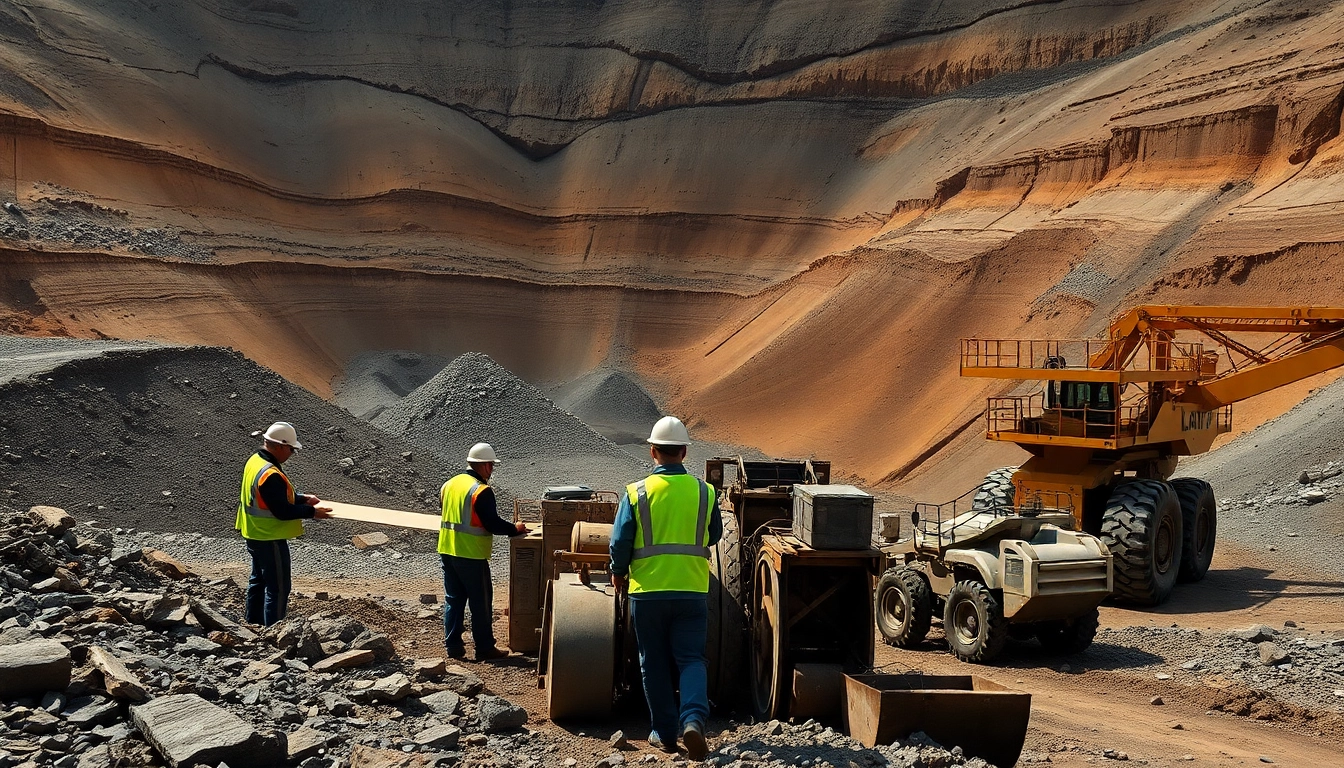
Surface mining includes techniques that remove the overburden (the surface layers of soil and rock) to expose and extract ore deposits. It is primarily used for minerals located close to the Earth’s surface. Common methods include:
- Open-pit mining: This method involves digging big holes in the ground to extract valuable minerals close to the surface.
- Strip mining: Often used for coal, this involves stripping away large areas of the earth's surface to uncover coal seams.
- Mountaintop removal: A type of surface mining specific to coal, where mountain tops are removed to access seams below.
These techniques are generally less expensive than underground methods but can have severe environmental impacts, requiring careful management and regulation.
Underground Mining Methods
When minerals lie deep below the surface, underground mining becomes necessary. This method is costlier and requires significant investment but allows for the extraction of valuable ores not accessible via surface mining. Common underground mining techniques include:
- Shaft mining: Involves digging vertical tunnels to access ore, typically used for deep deposits.
- Drift mining: Utilizes horizontal tunnels, or drifts, to access mineral seams.
- Room and pillar mining: This method leaves columns of ore to support the mine roof while extracting the rest.
Though safer concerning exposure to environmental elements, underground mining poses its own set of challenges, including ventilation issues and the risk of collapses.
Placer Mining Explained
Placer mining is the extraction of valuable minerals from alluvial deposits—sediments in riverbeds or streambeds. It often involves the use of water to separate heavier materials from lighter ones. This method is commonly associated with gold mining, where miners sift through sediment in riverbeds to find nuggets or flakes of gold. Techniques include:
- Panning: The simplest method, where sediment is placed in a pan with water and shaken to separate heavier materials.
- Dredging: A method that involves mining the riverbed using a machine, allowing for larger scale operations.
- Hydraulic mining: This uses high-pressure jets of water to dislodge rock material or move sediment.
Placer mining can be effective in finding precious metals but may also result in environmental degradation if not performed responsibly.
Mining Processes and Technologies
The Extraction Process
Upon determining the feasibility of a mining site, the extraction process begins. This encompasses the following stages:
- Exploration: Identifying and delineating the mineral deposit through geological surveys.
- Development: Involves clearing the site and preparing it for extraction, which may include building infrastructure.
- Extraction: The actual removal of resources, tailored to align with the selected mining method.
- Closure and Reclamation: The final stage, where efforts are made to restore the mined land to a condition that is as close as possible to its original state.
Ore Processing Techniques
After extraction, minerals must be processed to separate valuable components from the ore. Common processes include:
- Crushing and grinding: The ore is crushed and ground into fine particles to liberate minerals.
- Concentration: This may involve flotation, magnetic separation, or gravity separation methods to increase the concentration of valuable minerals.
- Smelting: Involves heating the concentrated ore to extract the metal through separation from impurities.
Efficient ore processing is vital for ensuring high recovery rates and minimizing waste.
Environmental Considerations in Mining
The mining industry is under scrutiny for its environmental impact. Key considerations include:
- Resource depletion: Mining can lead to significant depletion of natural resources, necessitating sustainable practices.
- Habitat destruction: Ecosystems may be disrupted or destroyed due to mining activities, necessitating mitigation measures.
- Pollution: Water, air, and soil can become contaminated from mining operations, leading to harmful ecological effects.
Regulatory measures and sustainable mining practices are essential to minimize these impacts, and companies are increasingly adopting environmentally friendly technologies.
Challenges in the Mining Industry
Regulatory Challenges
The mining sector faces stringent regulations which vary by region. These regulations can impact all phases, from exploration to closure. Compliance requires substantial investment in environmental assessments, adherence to safety protocols, and public consultation processes. Companies must navigate complex landscapes of local, national, and international laws, often necessitating specialized expertise.
Safety and Health Risks
Worker safety is a paramount concern in the mining industry. The physical nature of work, combined with hazards like machinery, airborne particles, and underground environments, exposes miners to significant health risks. Modern mining operations must implement rigorous safety protocols, provide training, and use technology to monitor conditions and ensure worker safety.
Sustainable Mining Practices
To meet growing demands for sustainability, the mining industry must incorporate green practices. This includes minimizing land disturbance, optimizing resource use, recycling water, and using renewable energy sources. Sustainable practices not only reduce environmental impacts but can also enhance a company's reputation and marketability.
Future of Mining
Technological Innovations
The future of mining looks promising with advancements in technology. Innovations such as automation and artificial intelligence are increasingly being utilized to enhance productivity. Drones, for instance, are being employed for surveying and monitoring, while robotics can assist in dangerous environments to reduce worker exposure to hazards.
Market Trends and Predictions
As global demands for minerals and metals rise, driven by sectors like electric vehicles, renewable energy, and technology, the mining industry is poised for growth. However, fluctuating prices and trade policies can impact profitability and strategy, necessitating agility and strong market insights for stakeholders.
Mining's Role in a Sustainable Economy
Mining is an integral part of a sustainable economy, providing essential resources for renewable energy technologies and infrastructure development. The shift towards more sustainable practices can enhance social responsibility, economic stability, and environmental stewardship, showing that the future of mining can be harmonious with broader societal goals.
Frequently Asked Questions
What are the main types of mining?
The main types of mining are surface mining, underground mining, and placer mining. Each method is chosen based on location, depth, and type of material.
What minerals are most commonly mined?
Commonly mined minerals include metals like gold, silver, copper, and iron, along with fossil fuels such as coal and natural gas.
How does mining affect the environment?
Mining can lead to habitat destruction, pollution, and resource depletion. Careful management and regulatory compliance are needed to minimize impacts.
What safety measures are taken in mining?
Mining safety measures include training, regular equipment checks, monitoring work conditions, and adherence to strict safety protocols to protect workers.
What is sustainable mining?
Sustainable mining focuses on minimizing environmental impact, preserving resources, and ensuring the well-being of communities while extracting minerals.