The Evolution of Rail Systems
Since their inception, rail systems have dramatically transformed transportation and logistics across the globe. A perfect fusion of engineering marvel and logistics efficacy, these systems continue to adapt over the years. This sections explore the historical milestones, technological strides, and major global trends that have shaped rail systems into what they are today.
History and Milestones
The history of rail systems can be traced back to ancient times, with evidence of wagonways built by the Greeks and the Romans. However, the modern railway era commenced in the early 19th century with George Stephenson's locomotive, the "Locomotion No. 1," launched in 1825 in England. This event marked the beginning of the rapid expansion of rail networks that facilitated increased trade and travel.
Throughout the 1800s and early 1900s, significant milestones included the establishment of mainline routes and the birth of multinational rail companies. The introduction of steam-powered locomotives paved the way for faster travel, and the completion of the Transcontinental Railroad in the United States in 1869 symbolized the rail system's role in uniting vast territories.
Moving into the 20th century, the invention of diesel and electric locomotives revolutionized rail transport, boosting efficiency and reducing cost. In recent decades, the introduction of bullet trains in Japan and high-speed rail lines in Europe demonstrated the system's capabilities in meeting growing passenger demand.
Technological Advancements in Rail Systems
Modern rail systems have benefitted from a multitude of technological advancements. Innovations such as automated signaling, GPS tracking, and digital communication networks enhance operational efficiency and safety.
For instance, Positive Train Control (PTC) technology automatically adjusts train speeds and can prevent collisions. Furthermore, the digitization of rail operations through advanced software optimizes scheduling and maintenance, directly impacting overall performance.
Another significant advancement is the shift towards energy efficiency and sustainability with the introduction of battery-operated and hydrogen-powered trains. This move reflects a growing commitment to reducing the carbon footprint associated with traditional rail systems.
Global Trends Influencing Rail Systems
The future trajectory of rail systems is actively influenced by global trends such as urbanization, climate change, and evolving consumer behaviors. As urban populations swell, the demand for efficient public transport systems increases, which reinforces the importance of rail systems in urban mobility strategies.
Moreover, the global focus on mitigating climate change has hastened investments in sustainable transport solutions. Countries are increasingly looking to rail systems as a zero-emission alternative to road transport. This has sparked interest in developing electrified networks and investing in energy-efficient technologies.
Components of Modern Rail Systems
Modern rail systems encompass several critical components that ensure their seamless operation. Understanding the intricate details of these components can shed light on the overall functionality and efficiency of rail transport.
Track Infrastructure and Design
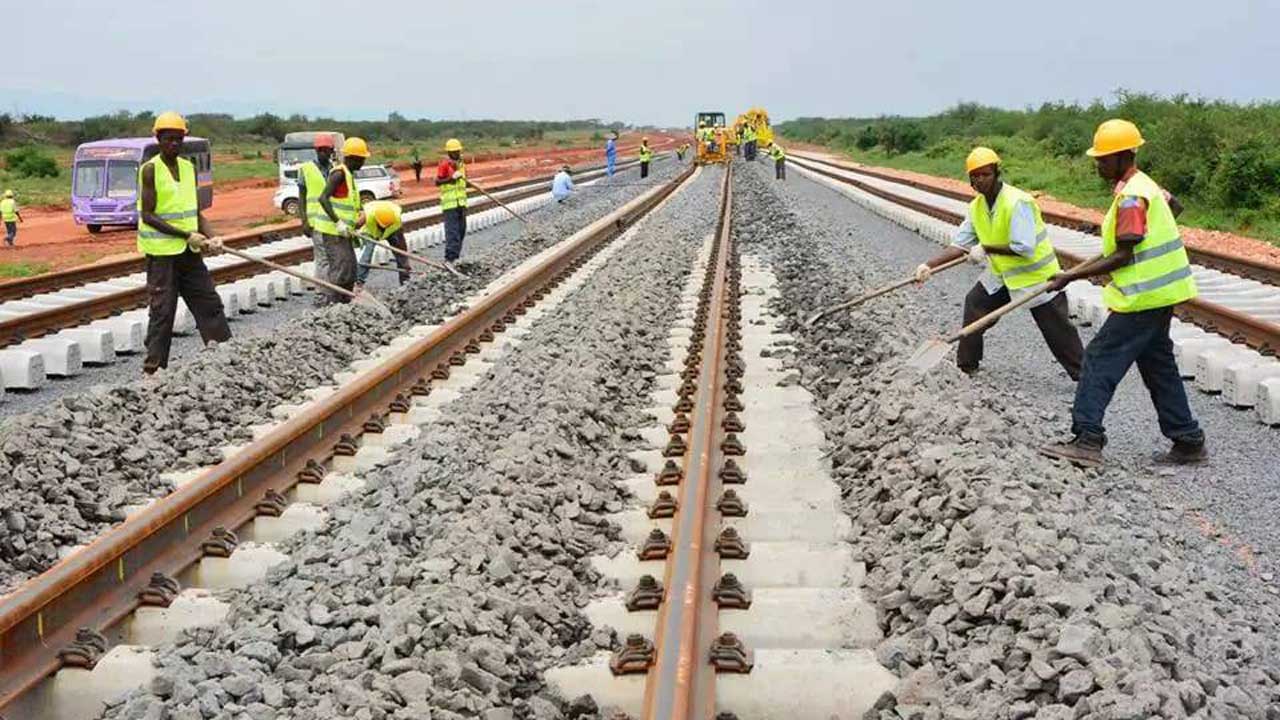
The backbone of any rail system is its track infrastructure. The design includes not only the tracks but also bridges, tunnels, and stations. High-quality materials and innovative engineering practices are employed to ensure durability and safety over the years.
Modern rail systems utilize a variety of track designs depending on speed and cargo; for example, dedicated high-speed tracks are engineered differently from standard freight lines to accommodate higher velocities with minimal vibration.
Rolling Stock: Types and Innovations
Rolling stock refers to the vehicles that move on the rail track, including locomotives and freight cars. There has been a shift toward high-capacity and technologically advanced rolling stock that can accommodate diverse needs, such as container transport for goods and comfortable passenger travel.
Innovations such as lightweight materials, improved aerodynamics, and onboard technology have made modern rolling stock more efficient. Furthermore, continuously monitored systems allow for preventive maintenance, enhancing safety and reducing downtime.
Signaling and Communication Systems
Signaling is critical for the safe operation of rail services. Modern rail systems employ sophisticated signaling technologies that use both trackside signals and onboard systems. These technologies ensure effective communication between the train and operational control centers, providing real-time data for transit management and safety.
Examples include Automatic Train Operation (ATO) systems, which automate functions such as acceleration and braking, resulting in greater precision and reliability.
Benefits of Efficient Rail Systems
Efficient rail systems deliver multifaceted benefits that can enhance societal and economic prospects. These advantages encompass sustainability, cost-effectiveness, and urban mobility enhancements.
Environmental Impact and Sustainability
Rail transport is one of the most environmentally friendly modes of mass transit. It produces significantly lower CO2 emissions than road and air transport, making it an integral part of global sustainability initiatives. Innovations in technology continue to amplify the environmental benefits of rail systems.
Cost-Effectiveness of Rail Transport
Economically, rail transport tends to be more cost-effective compared to other modes, especially for bulk goods over long distances. The operational costs in rail transport can be lower due to efficiencies in energy use and load capacity. This advantage is further enhanced through maintaining and upgrading existing rail infrastructure.
Enhancing Urban Mobility
In urban areas, the need for efficient public transport systems is acute. Rail systems provide a high-capacity means of transport that can alleviate traffic congestion and reduce travel times. Urban rail initiatives serve as a vital part of public transport networks, linking commuters to key urban centers and enhancing economic opportunities.
Challenges Facing Rail Systems Today
Despite the many advantages, rail systems face several challenges that require urgent attention to ensure efficiency and safety.
Infrastructure Investment and Maintenance
Maintaining and upgrading rail infrastructure poses a significant challenge, often requiring substantial financial investment. Budget constraints can delay necessary projects, leading to aged infrastructure impacting safety and performance.
To mitigate this, public-private partnerships can play a crucial role, pooling resources for infrastructure projects to enhance efficiency and safety.
Safety and Security Concerns
Ensuring safety in rail systems is paramount, and various threats, both natural and human-made, pose risks. Security measures must continuously evolve to address these threats. This includes focusing on cybersecurity of operational systems and physical safety precautions at stations and on trains.
Impact of Global Crises
Global crises, such as pandemics or economic downturns, have the potential to disrupt rail services significantly. These disruptions can lead to reduced ridership and financial losses. Strategic planning and adaptability are essential to mitigate these impacts and ensure continuity of services.
The Future of Rail Systems
The horizon for rail systems is bright, especially as innovations continue to unfold and societal needs evolve. Future rail systems will likely be defined by their integration of smart technologies and high-speed options.
Integrating Smart Technologies
Smart technologies will facilitate the digitization of rail operations, introducing features like real-time tracking, predictive maintenance, and energy management systems. Automation will play a critical role in these advancements, leading to safer, more reliable operations.
Prospects for High-Speed Rail Systems
The continued expansion of high-speed rail networks represents a significant advancement in passenger rail transport. These systems promise reduced travel times and have already demonstrated increased ridership in regions where they have been implemented. Investments in high-speed networks can stimulate economic growth, making them a strategic priority for many governments.
Collaborative Models for Expansion
Future rail expansion will rely heavily on collaborative models involving governments, private investors, and technology developers. Working together, stakeholders can share the risks associated with large-scale infrastructure projects and leverage resources to improve rail systems nationwide.
FAQs
What are rail systems?
Rail systems refer to networked transportation networks utilizing trains for moving passengers or freight over rail tracks, encompassing trains, infrastructure, and technology.
How do rail systems impact the environment?
Rail systems are more eco-friendly than car and air travel, producing lower emissions and offering energy-efficient transport solutions that help combat climate change.
What are the benefits of rail transport?
Rail transport offers numerous benefits, including reduced congestion, lower transportation costs, and improved environmental sustainability, making it an efficient choice for mass transit.
What challenges do rail systems currently face?
Key challenges include aging infrastructure, the need for significant investment in maintenance, safety and security threats, and disruptions from global crises such as pandemics.
What does the future hold for rail systems?
The future of rail systems is likely characterized by advancements in smart technologies, expansion of high-speed rail networks, and collaborative models to enhance efficiency and connectivity.