Introduction to Video Analytics for CCTV
Video analytics for CCTV is rapidly transforming how security personnel manage surveillance footage, shifting from passive observation to advanced, intelligent monitoring. This innovative technology employs algorithms that enable CCTV systems to automatically process and analyze video feeds, extracting actionable insights and improving overall security posture. In a world where safety and efficiency are paramount, incorporating video analytics for cctv is crucial for contemporary surveillance systems.
What is Video Analytics?
Video analytics refers to broad methods of processing, interpreting, and extracting information from video footage. This technology can detect, classify, and track objects or individuals in real time. Tools used in video analytics utilize computer vision and machine learning to enhance surveillance capabilities, allowing for preemptive action in various situations. Traditional CCTV captures endless hours of footage, requiring significant manual review. Video analytics automates this process, giving security teams more efficient ways to monitor outcomes.
Importance in Modern Security
In an era where security threats are becoming increasingly sophisticated, the importance of video analytics in CCTV cannot be overstated. It offers a proactive approach, enabling security teams to act swiftly rather than reactively. By automating monitoring tasks, organizations can reduce response times during critical incidents, the need for full-time security personnel presence, and the costs associated with labor-intensive processes. Moreover, video analytics can provide in-depth reports and alerts based on real-time data, enhancing situational awareness and decision-making.
Basic Components of CCTV Analytics
Understanding the basic components that make up video analytics for CCTV helps organizations maximize their investment. The primary components include:
- Image Processing: Involves refining video quality and ensuring stability, which is crucial for accurate data extraction.
- Detection Algorithms: Track movements, recognize patterns, and differentiate between various objects or actions.
- Analysis Engine: Processes data collected by detection algorithms to produce meaningful insights and alerts.
- User Interface: Provides a platform for security staff to visualize data, respond to alerts, and generate reports.
Types and Features of Video Analytics
Object Detection and Tracking
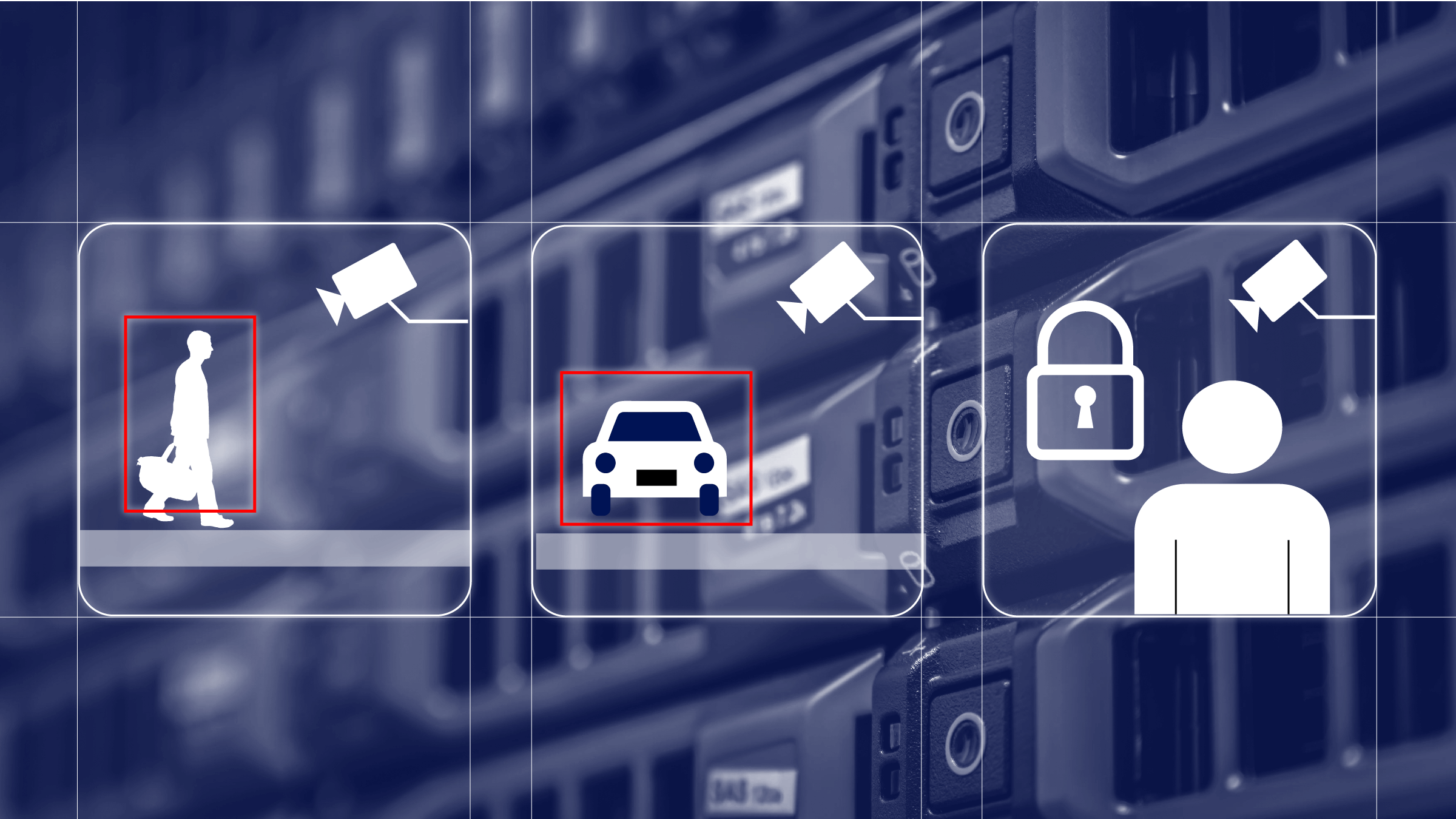
Object detection and tracking are fundamental features of video analytics systems. This component identifies and tracks specific objects in a scene, which can include people, vehicles, or even animals, depending on the settings. Advanced systems can recognize certain attributes, such as color or size, and differentiate between objects categorically. For example, in a retail environment, a video analytics system can track customer movements to gather insights on foot traffic patterns, ultimately influencing store layout and staffing.
Facial Recognition Capabilities
Facial recognition technology is pivotal in enhancing security systems. When integrated with CCTV cameras, it can identify individuals based on unique facial features. This capability is particularly useful for access control and targeted monitoring, enabling organizations to preemptively identify unauthorized individuals. The technology relies on powerful databases for cross-referencing faces, ensuring that alerts are accurate and timely.
Crowd Density Monitoring
As events and public gatherings have increased, so too has the need for crowd density monitoring. This feature allows security personnel to evaluate crowd sizes in real-time, ensuring that areas do not become overcrowded, thus enhancing safety. For instance, in venues or public places, crowd monitoring can help identify potential emergencies, allowing for quick intervention and better management of logistics.
Benefits of Using Video Analytics for CCTV
Improved Incident Response Times
Quick and efficient incident response is one of the most significant benefits video analytics brings to CCTV systems. Automated alerts generated by the analytics system can notify security personnel of specific events without 24/7 manual monitoring. For example, if a potential threat is detected, an immediate alert allows for rapid deployment of security resources to handle the situation, significantly reducing the time it takes to address security challenges.
Enhanced Security Insights
Video analytics empowers organizations with actionable insights beyond mere surveillance. With the capability to analyze trends, patterns, and behaviors over time, security efforts can be optimized. Detailed reporting can highlight the busiest times of day, identify high-risk areas, and support future planning of security resources based on data rather than guesswork. This comprehensive situational awareness enhances the overall effectiveness of security strategies.
Cost-Effectiveness and Resource Management
By minimizing the need for physical monitoring through technology, organizations can effectively reallocate their resources. Video analytics offers a cost-effective way to enhance security without incurring extensive personnel expenditures. The ability to gather meaningful data regarding security incidents also enables better resource allocation, improving the overall return on investment for security infrastructure.
Best Practices for Implementation
Choosing the Right Technology
Selecting the appropriate technology is crucial for maximizing the benefits of video analytics. Organizations should evaluate various solutions based on specific needs, such as the capacity for facial recognition, integration with existing systems, and compatibility with diverse environments. A thorough needs assessment can guide decision-making, ensuring the technology adopted aligns with the organizational goals and security requirements.
Setting Up Your CCTV System
A well-configured CCTV system is essential for effective video analytics. The positioning of cameras, network capabilities, and storage solutions play vital roles in data quality and accessibility. Ensure cameras provide clear, high-definition footage and are capable of capturing all necessary angles. Furthermore, an efficient storage solution should be implemented to accommodate the vast amounts of data generated without compromising system performance.
Training Personnel Effectively
Training personnel is paramount when deploying video analytics for CCTV. Security teams should be knowledgeable about the technology being used, from understanding the algorithms to operating the analytics software. Regular training sessions and refresher courses can keep staff updated on the latest developments, ensuring they can utilize the system optimally and respond effectively to alerts and incidents.
Future Trends in Video Analytics for CCTV
Integration with AI and Machine Learning
The continuous evolution of artificial intelligence (AI) and machine learning technologies promises to take video analytics to new heights. Future systems can analyze vast datasets to improve accuracy in features like object recognition and behavioral prediction. As these technologies advance, organizations can expect even more sophisticated real-time monitoring and predictive capabilities, allowing for more proactive security measures.
Predictive Analytics Capabilities
Predictive analytics is a powerful trend that will likely transform video analytics in the future. By leveraging historical data, this approach enables security systems to anticipate potential threats or incidents before they occur. Understanding patterns and trends can help security personnel mitigate risks and allocate resources strategically, improving safety and operational efficiency.
Real-Time Data Utilization
The capacity for real-time data utilization will become increasingly vital in video analytics for CCTV. As organizations demand immediate insights, video analytics systems will evolve to provide instant notifications and dashboard views of ongoing situations. This shift will further support rapid response efforts and enhance the ability to make data-driven decisions in high-stakes scenarios.
Frequently Asked Questions
What is video analytics in CCTV?
Video analytics in CCTV uses advanced algorithms to analyze video footage for actionable insights. It helps in detecting, classifying, and tracking objects, improving security efficiency.
How does video analytics improve security insights?
Video analytics enhances security insights by analyzing trends and behaviors over time, allowing organizations to optimize their security strategies based on data-driven decisions.
Can video analytics reduce costs?
Yes, by minimizing the need for physical surveillance, organizations can save on personnel costs while enhancing their security capabilities through automation and data analytics.
What are the challenges of implementing video analytics?
Key challenges include ensuring the system's integration with existing infrastructure, managing vast amounts of data, and training personnel effectively to utilize the technology.
What is the future of video analytics for CCTV?
The future of video analytics includes advancements in AI, predictive analytics, and real-time data utilization, enhancing proactive security measures and operational efficiency.