
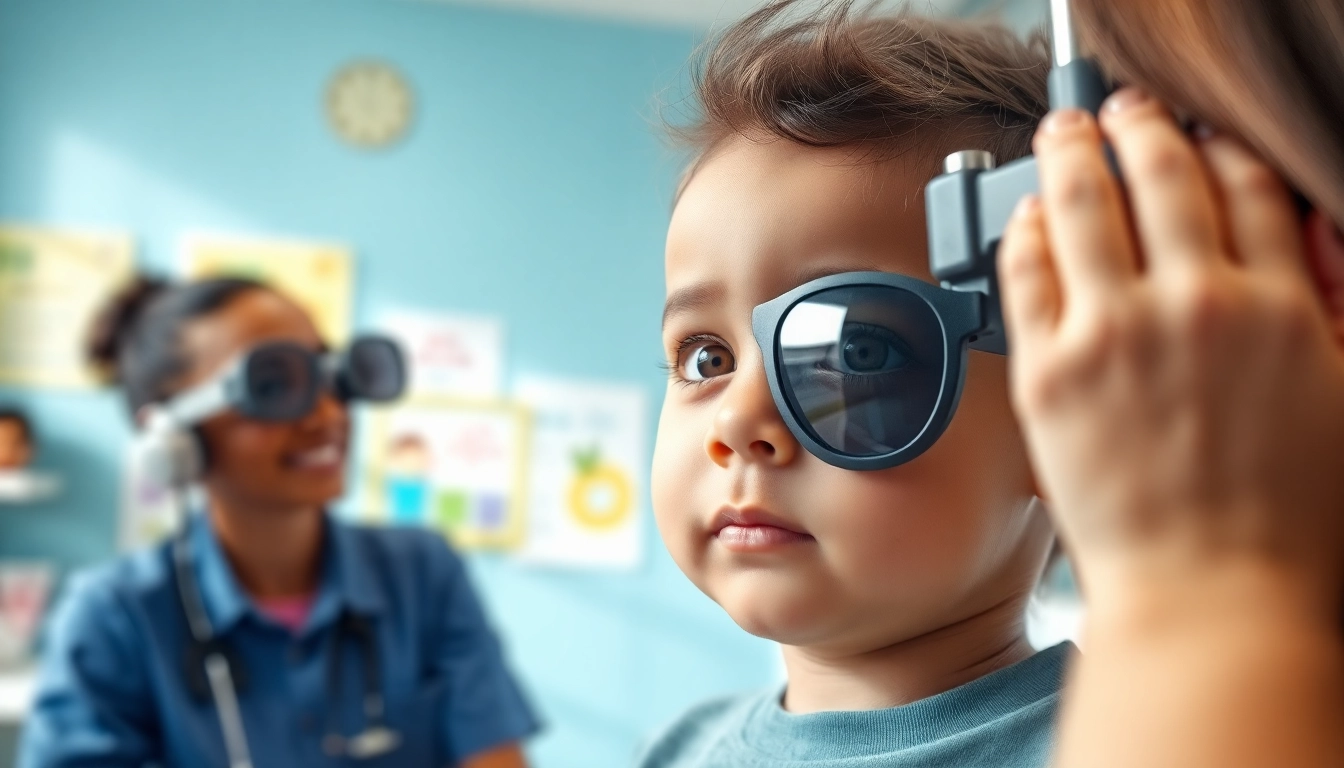
Introduction to Our Children’s Vision
In recent years, the importance of pediatric eye health has gained increased attention, yet many challenges persist. Our Children’s Vision serves as a beacon for addressing these critical issues, working tirelessly to ensure that millions of children have access to necessary eye care. This initiative not only raises awareness but also highlights the significance of vision care as a fundamental aspect of children’s health and development.
The Importance of Pediatric Eye Health
Pediatric eye health is crucial because vision is integral to a child’s development and learning. Good vision impacts a child’s ability to interact with their environment, develop social skills, achieve academic success, and ultimately, lead a fulfilling life. Numerous studies have shown that undiagnosed vision problems can hinder a child’s learning and behavioral development, making it essential for parents and educators to prioritize eye health from an early age.
Overview of Vision Impairments in Children
Vision impairments in children can manifest in various forms, including refractive errors (such as myopia and hyperopia), amblyopia (often referred to as “lazy eye”), and strabismus (crossed eyes). According to recent statistics, approximately one in four children may have a vision problem that can affect their ability to succeed in school. Early detection through regular eye examinations is vital for effective treatment and management of these conditions.
Goals of Our Children’s Vision Initiative
The primary goal of the Our Children’s Vision initiative is to improve access to comprehensive eye care services for children around the globe. Through partnerships with healthcare providers, community organizations, and advocacy groups, the initiative aims to raise awareness, expand outreach, and ultimately ensure that no child is left without the vision care they need.
Key Components of Comprehensive Eye Care
Routine Vision Screenings for Children
Routine vision screenings are a critical first step in identifying children who may need further evaluation or treatment. These screenings are typically quick and can be conducted in various settings, such as schools, pediatrician offices, and community health events. The screenings may help flag potential issues, but they should be followed by comprehensive eye examinations performed by an eye care professional to confirm any findings and develop a treatment plan.
Understanding Eye Exams and Their Benefits
A comprehensive eye exam encompasses various tests to assess vision, eye health, and overall visual function. During an examination, an eye care specialist will check for refractive errors, eye muscle coordination, and the health of internal structures. Benefits of regular eye exams include early detection of problems, personalized recommendations for corrective lenses or treatments, and ongoing monitoring of any existing conditions.
Identifying Risk Factors for Vision Problems
Identifying children at risk for vision problems is essential for preventative care. Factors such as family history of eye conditions, premature birth, or developmental conditions can increase a child’s risk for vision impairments. Awareness of these risk factors can help parents and caregivers seek evaluation and treatment sooner, significantly improving outcomes for affected children.
Community Outreach and Awareness Campaigns
Collaborations with Local Health Providers
Collaborative efforts among local health agencies, schools, and community organizations play a pivotal role in promoting children’s eye health. By establishing partnerships, the Our Children’s Vision initiative can create more comprehensive outreach programs designed to engage families and raise awareness about the importance of regular eye care.
Engaging Parents in Eye Health Education
Raising awareness among parents is fundamental to improving children’s eye health. Through educational seminars, workshops, and accessible materials, parents can learn how to recognize symptoms of vision impairment, the importance of regular eye exams, and techniques to support their children’s visual development. Engaging parents empowers them to take an active role in managing their children’s eye health.
Utilizing Media to Raise Awareness
Innovative media campaigns using social media, public service announcements, and educational videos significantly enhance outreach efforts. By sharing success stories, providing expert advice, and disseminating information about eye health, the initiative can inspire communities to prioritize pediatric eye care. Utilizing various platforms ensures that the message reaches a broader audience, including those in underserved populations.
Improving Access to Eye Care Services
Strategies for Expanding Availability of Services
Expanding access to eye care services is vital to ensuring that every child receives the care they need. Strategies such as mobile eye care units, after-school vision clinics, and partnerships with schools can help bridge the gap in access for children from low-income families. This proactive approach can facilitate screenings and examinations, making eye care more accessible for all communities.
Offering Financial Assistance for Eye Treatments
The cost of eye care can be a barrier for many families. Offering financial assistance programs, such as sliding scale fees, grants, or partnerships with local nonprofits, can alleviate some of these financial burdens. Ensuring that children have affordable access to the necessary treatments, such as glasses or corrective surgeries, is key to combating vision impairments.
Leveraging Technology to Facilitate Eye Care
Technological advancements present opportunities to enhance eye care access and delivery. Telehealth services can provide remote consultations and follow-ups, especially for families in rural or underserved areas. Moreover, mobile apps that guide parents in monitoring their child’s vision and tracking symptoms can facilitate early intervention and ongoing management of eye health.
Measuring Success and Impact of Our Children’s Vision
Tracking Vision Improvement Metrics
Evaluating the impact of the Our Children’s Vision initiative relies on robust data collection and analysis. Tracking metrics such as the number of screenings conducted, successful referrals for treatment, and improvements in children’s vision can provide invaluable insights into the program’s effectiveness. Gathering this data helps identify areas of success and opportunities for growth.
Evaluating Community Feedback and Engagement
Community feedback is essential for assessing the initiative’s outreach and impact. Surveys and focus groups can provide insights into parents’ awareness and understanding of pediatric eye health, as well as their experiences with available services. Engaging the community in this way fosters accountability and demonstrates a commitment to serving children effectively.
Future Goals for Eye Health Initiatives
Looking ahead, the Our Children’s Vision initiative seeks to expand its reach further, focusing on increasing awareness, access, and quality of care. Future goals may include targeted campaigns for specific populations, ongoing education initiatives for healthcare providers, and continued advocacy for policies that prioritize children’s health. By continually setting and achieving new goals, the initiative can profoundly impact children’s vision health worldwide.