Understanding Lighting Solutions
Definition and Types of Lighting Solutions
Lighting solutions are essential elements in both residential and commercial environments, providing illumination while enhancing aesthetic appeal and functionality. They can broadly be categorized into several types: ambient, task, accent, and decorative lighting. Lighting solutions serve different purposes; for instance, ambient lighting provides overall illumination, task lighting focuses on specific areas to aid activities like reading or cooking, accent lighting highlights objects, and decorative lighting adds a stylish touch to the environment.
The Importance of Lighting in Design
The role of lighting in design cannot be overstated. It can dramatically affect the mood and functionality of a space. Proper lighting can enhance a room’s aesthetics, create focal points, and improve visibility. In interior design, lighting helps to define areas and set the ambiance. Furthermore, adequate lighting can influence productivity and well-being, making it a key factor in workspaces and living environments alike.
Energy Efficiency in Lighting Solutions
As sustainability becomes increasingly important, energy-efficient lighting solutions have gained prominence. Technologies such as LED and CFL (Compact Fluorescent Lamps) consume significantly less energy compared to traditional incandescent bulbs. Implementing energy-efficient lighting not only reduces electricity bills but also minimizes environmental impact, aligning with modern green building practices. Moreover, using smart lighting systems can further enhance energy savings by allowing users to control lighting remotely and set schedules.
How to Choose the Best Lighting Solutions
Assessing Your Space and Needs
The first step in selecting appropriate lighting solutions is to assess the space and understand your needs. Evaluate the size of the room, the purpose of the space, natural light availability, and the existing decor. For example, a cozy reading nook may require warm, soft lighting, while a home office might benefit from bright, white task lighting. Consider the activities that will take place in the area as well; this will guide your decision on the types and intensity of lighting required.
Key Factors to Consider
When choosing lighting solutions, several key factors should be considered, including:
- Brightness: Measured in lumens, it determines how much light is emitted. Choose accordingly based on the room’s purpose.
- Color Temperature: Measured in Kelvins, it affects the ambiance. Warm light (below 3000K) creates a cozy atmosphere, while cool light (above 4000K) is better for concentration.
- Style and Design: Lighting fixtures should complement your room’s decor to enhance overall aesthetics.
- Energy Efficiency: Consider the energy consumption of the lighting solutions to make sustainable choices.
Common Mistakes to Avoid
When selecting lighting solutions, it’s essential to avoid common pitfalls such as:
- Overly bright or harsh lighting that can create discomfort.
- Neglecting to layer lighting, which can lead to flat spaces.
- Choosing decorative fixtures that do not provide adequate functionality.
- Forgetting about energy efficiency, which can lead to higher costs in the long run.
Implementing Lighting Solutions in Different Rooms
Living Room Lighting Solutions
The living room is often the focal point of a home and should reflect both style and comfort. A combination of ambient, task, and accent lighting works best. Consider implementing recessed lighting or a central chandelier for overall brightness, supplemented by table lamps for task lighting and wall sconces or LED strips to highlight artwork or architectural features. This layered approach enhances the room’s depth and warmth.
Kitchen Lighting Solutions
In the kitchen, practicality is paramount. Bright, focused lighting over work surfaces is necessary to ensure safety and efficiency. Pendant lights above islands or countertops can provide effective task lighting, while under-cabinet lighting offers additional illumination without harsh shadows. Incorporating dimmers allows the brightness to be adjusted according to the time of day or activity.
Outdoor Lighting Solutions
Outdoor lighting plays a crucial role in enhancing safety and aesthetics. Pathway lights ensure safe navigation, while wall-mounted fixtures provide security and ambience. Solar-powered options offer energy efficiency, and incorporating decorative elements like string lights can create a welcoming atmosphere for gatherings. Additionally, landscape lighting can beautifully accentuate gardens and architectural features, transforming outdoor spaces into appealing retreats.
Enhancing Aesthetics with Lighting Solutions
Decorative Lighting Ideas
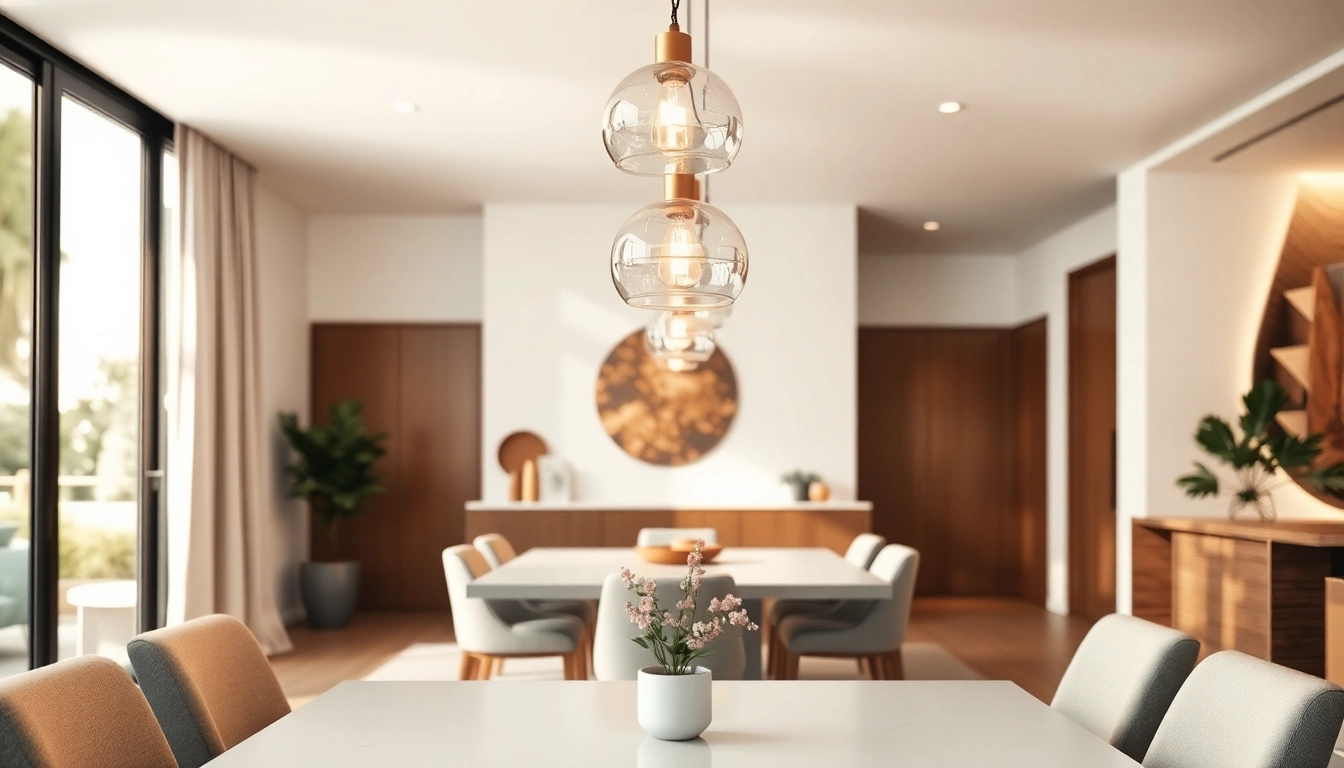
Decorative lighting is essential for personalizing spaces and showcasing tastes. Chandeliers, unique pendant lights, and artistic floor lamps can serve as statement pieces. Mixing various styles can create visual intrigue; for example, combining industrial fixtures with vintage accents can add character and uniqueness.
Layering Lighting for Depth
Layering lighting is crucial to creating a dynamic and inviting environment. This involves combining ambient, task, and accent lighting to achieve varying levels of brightness and visual interest. For instance, use recessed lights as a base layer, then add floor lamps and table lamps for more focused zones. Accent lighting can highlight specific areas or features, bringing depth and warmth to the space.
Using Color and Light to Create Mood
The color temperature of lights significantly influences the mood of a space. Warm whites evoke coziness and relaxation, ideal for bedrooms and living areas, while cooler tones promote alertness, making them suitable for workspaces. Understanding how different colors impact human psychology can guide your lighting choices to match the desired atmosphere in each room.
FAQs about Lighting Solutions
What types of lighting solutions are available?
Common types include ambient, task, accent, and decorative lighting, each serving different purposes in a space.
How do I determine the right brightness?
Assess room size and function. A general rule is 100-150 lumens per square foot for living areas, and 300 lumens for task-specific areas.
Can lighting solutions improve energy efficiency?
Yes, using LED or CFL lighting can significantly reduce energy consumption and lower electricity bills compared to traditional bulbs.
How can I mix different lighting types?
Blend ambient, task, and accent lighting to create a well-lit, visually appealing space. Focus on layering for depth and functionality.
What are the latest trends in lighting solutions?
Trends include smart lighting controls, eco-friendly options, minimalist designs, and the use of natural materials to create a warm aesthetic.