
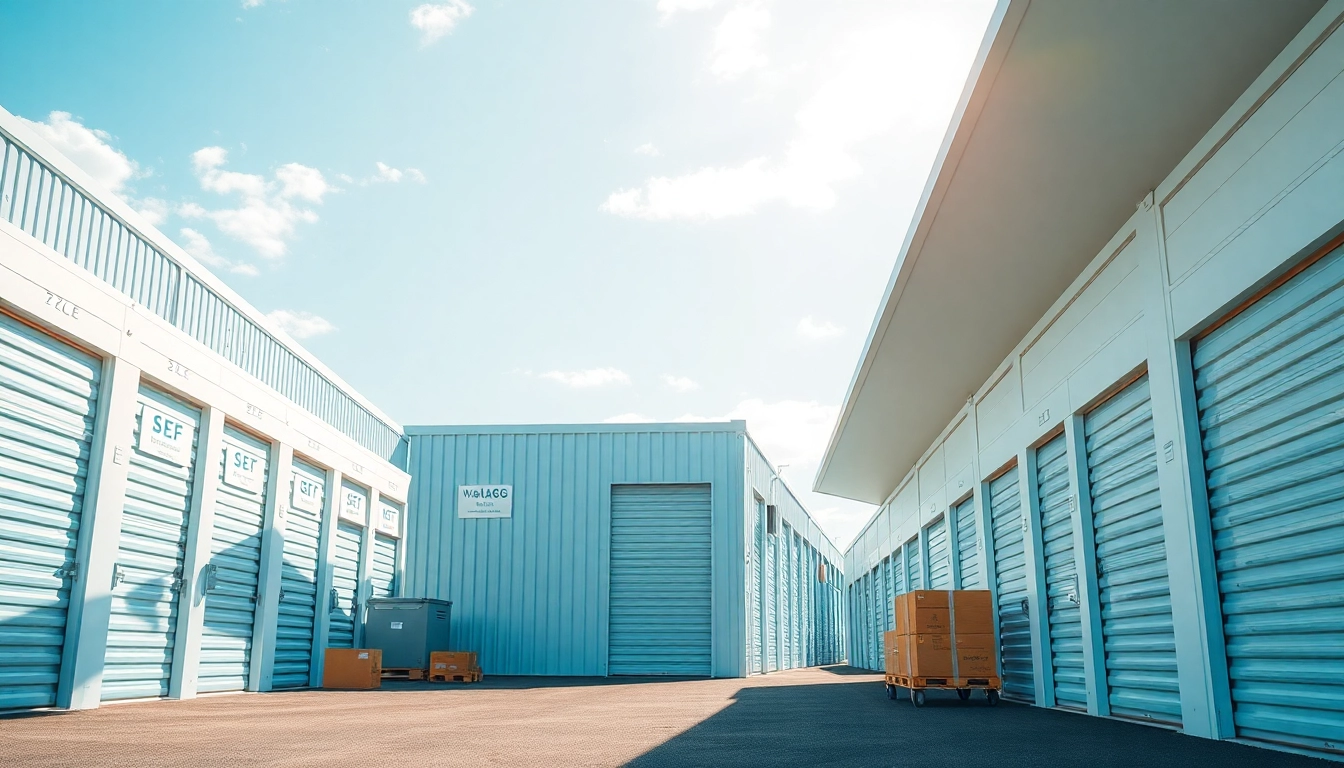
Understanding Self Storage Units
What are Self Storage Units?
Self storage units are rental spaces where individuals and businesses can securely store their belongings for short or long durations. Typically managed by storage facilities, these units come in various sizes and configurations, accommodating everything from small boxes to large pieces of furniture. The convenience of self storage units lies in their accessibility, security, and flexibility, making them an ideal solution during transitions, downsizing, or even while conducting home renovations.
Types of Self Storage Units
There are several types of self storage units available to meet varying needs:
- Conventional Storage Units: These are the most common types of self storage, typically located indoors within a facility, accessible via a locked door.
- Climate-Controlled Units: Ideal for storing sensitive items, these units maintain optimal temperature and humidity levels to protect items like electronics or antiques.
- Drive-Up Units: These provide easy access, as you can drive directly to the unit, making them perfect for loading and unloading larger items.
- Outdoor Vehicle Storage: Designed for parking cars, RVs, boats, or trailers, these spaces can be either uncovered or in specialized facilities.
- Business Storage Units: Tailored specifically for businesses, these units accommodate inventory, records, and equipment, often offering larger spaces.
Benefits of Using Self Storage Units
The advantages of self storage units are numerous:
- Flexibility: Storage contracts can range from a month-to-month basis to long-term agreements, allowing for adaptations based on changing needs.
- Security: Most facilities incorporate advanced security measures such as surveillance cameras, gated access, and individual locks, providing peace of mind.
- Decluttering: Self storage units help declutter homes or offices, making spaces more functional and organized.
- Convenience: Many facilities offer 24/7 access, allowing renters to retrieve or deposit items at their convenience.
- Cost-Effective: In comparison to traditional warehousing, renting self storage units can be more economical, especially for short-term needs.
Evaluating Your Storage Needs
Assessing Space Requirements
Determining how much space you need is crucial in selecting the right self storage unit. Conduct an inventory of the items you wish to store. Measure larger items like furniture and calculate the total volume to avoid paying for unnecessary space.
Duration of Storage Needs
Your storage duration significantly impacts your choice of facility. If you need short-term storage during a move, a facility with flexible contracts is essential. For long-term storage, consider factors like climate control for sensitive items to ensure their preservation.
Identifying Items to Store
Different items require different storage conditions. For instance, electronics and artwork may need climate-controlled spaces, while garden tools might only require standard units. Make a list of items, categorize them, and decide based on their needs.
Finding the Right Facility
Location Considerations
Location is a vital aspect when selecting a self storage facility. Opt for a facility that is conveniently located near your home or workplace to facilitate easy access. Additionally, assess the surrounding area for safety and accessibility.
Facility Security Features
Security features significantly enhance the safety of your stored items. Look for facilities with:
- Surveillance cameras covering all areas.
- Gated access requiring a personal access code.
- On-site personnel for assistance.
- Insurance offerings for stored items.
Customer Service and Support
Exceptional customer service can make your self storage experience much more enjoyable. Assess the facility’s reputation by reading reviews or conducting on-site visits. Ensure that staff is friendly, knowledgeable, and available to assist with queries or special requests.
Cost Analysis of Self Storage Units
Pricing Structures Explained
The cost of self storage units can vary widely based on several factors, including location, size, and amenities. Typically, pricing is broken down as follows:
- Unit Size: Larger units naturally come at a higher price point.
- Location Premiums: Facilities in urban areas may charge more due to demand.
- Seasonal Pricing: Some facilities may offer promotional discounts during slower seasons.
Hidden Fees to Watch Out For
When renting a self storage unit, potential hidden fees could inflate your total costs. Common charges include:
- Administrative fees for processing your rental agreement.
- Late payment fees if you miss your due date.
- Insurance fees if you choose to protect your items.
Always request a transparent breakdown of costs before committing to a lease.
Comparing Value for Money
When considering costs, it is essential to evaluate the overall value of a facility. Assess what services and features are included in the price. A slightly higher monthly fee may be worth it if the facility offers climate control and superior security compared to a cheaper alternative.
Frequently Asked Questions
What is the average cost of self storage units?
The average cost can range from £50 to £150 per month, depending on the location, size, and type of unit.
How do I access my self storage units?
Access is typically provided via a unique code or key, with many facilities offering 24/7 access hours for convenience.
Can I access my self storage units 24/7?
Many modern facilities allow 24/7 access, but it’s crucial to check individual facility policies before committing.
Is insurance required for self storage units?
While not always mandatory, most facilities recommend insurance to protect your belongings against damage or theft.
Can I change my self storage units after renting?
Yes, most facilities allow you to upgrade or downgrade to a different unit based on your changing needs, often depending on availability.